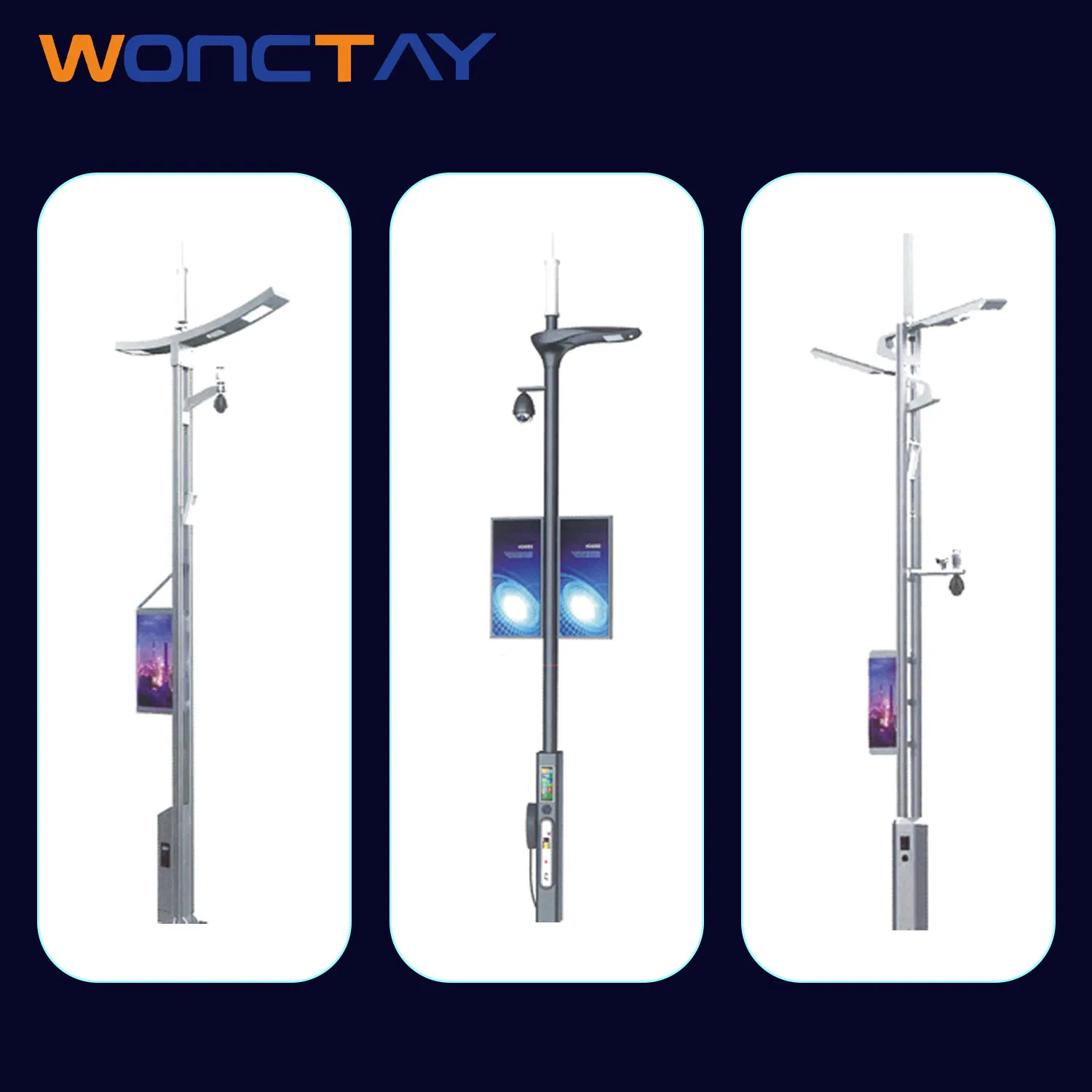
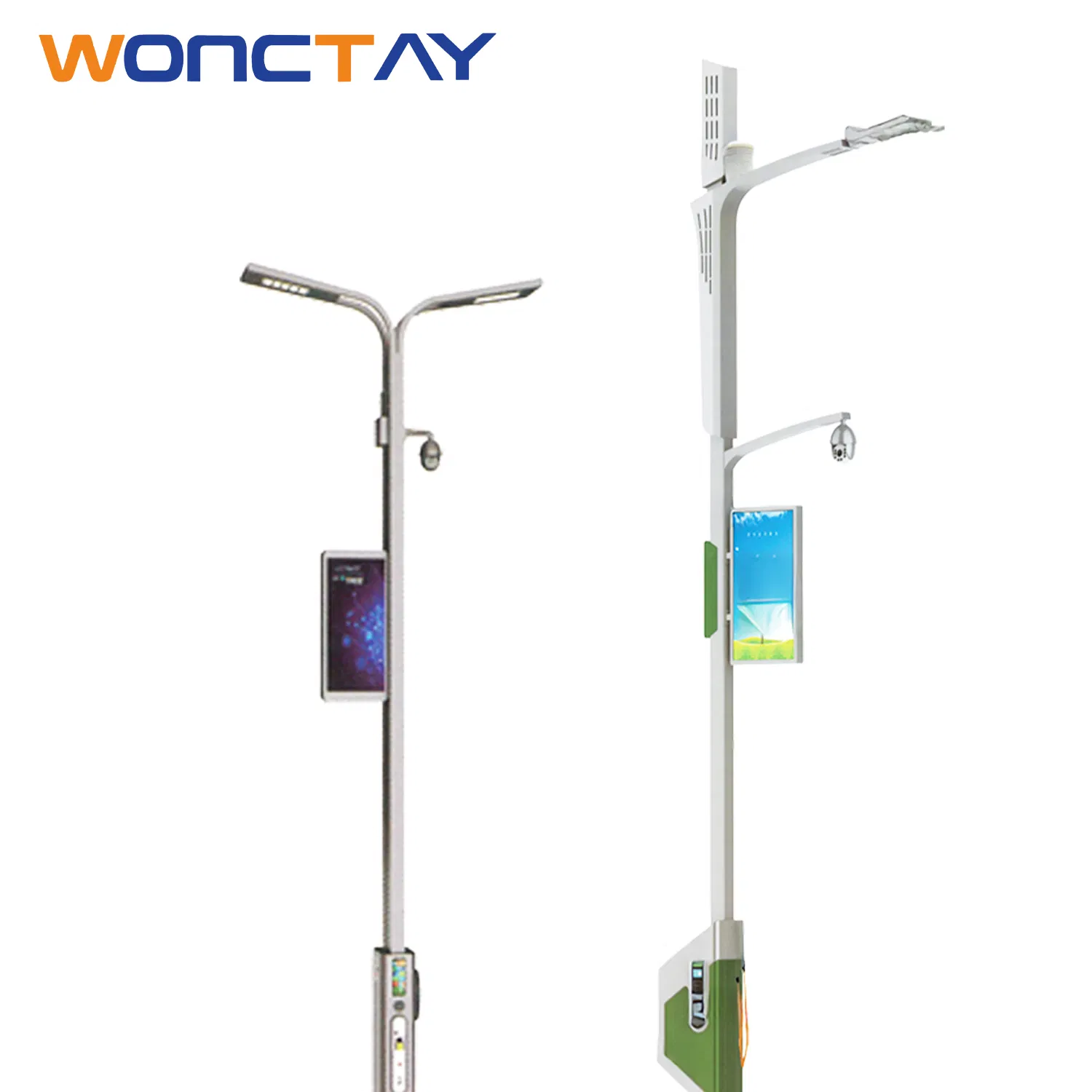
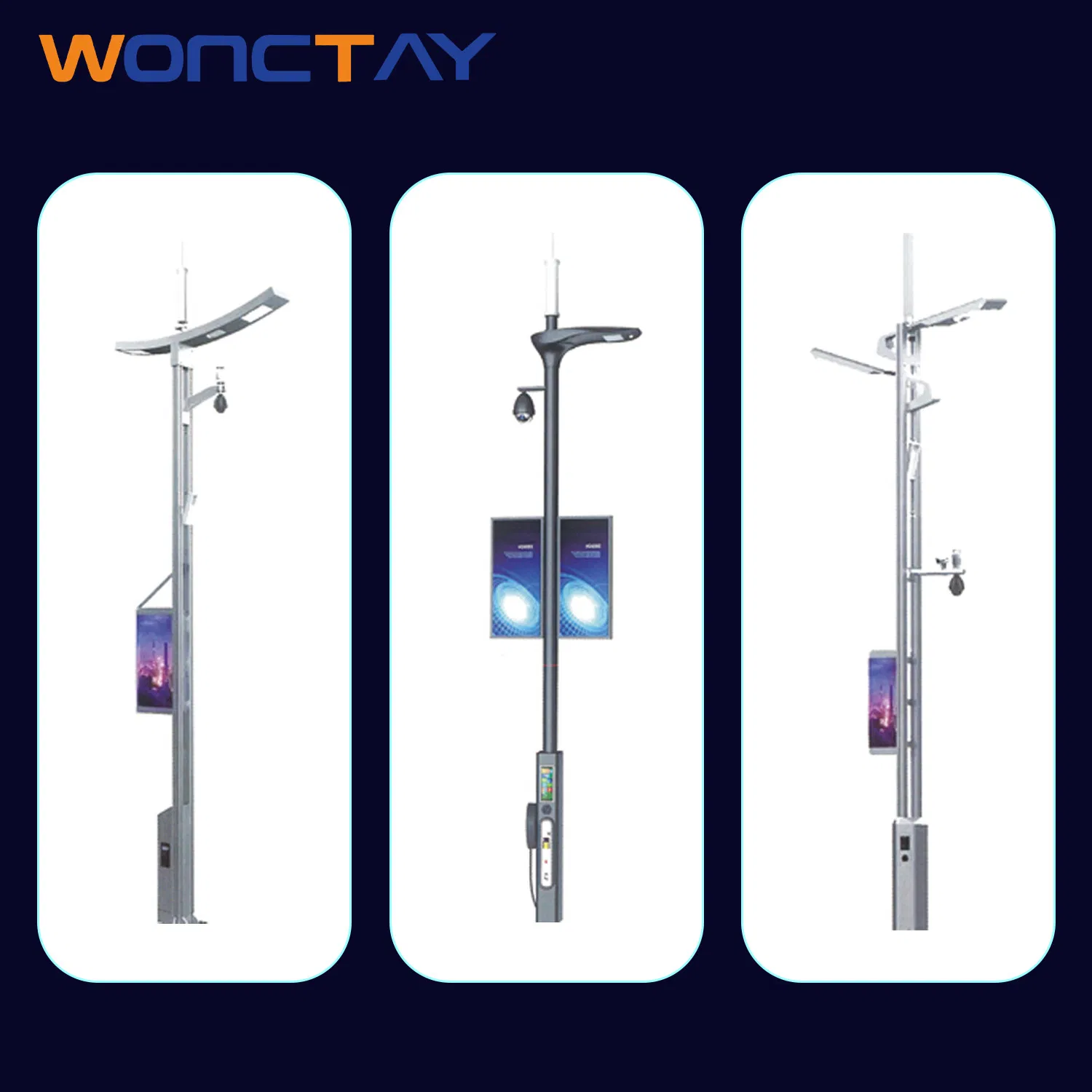
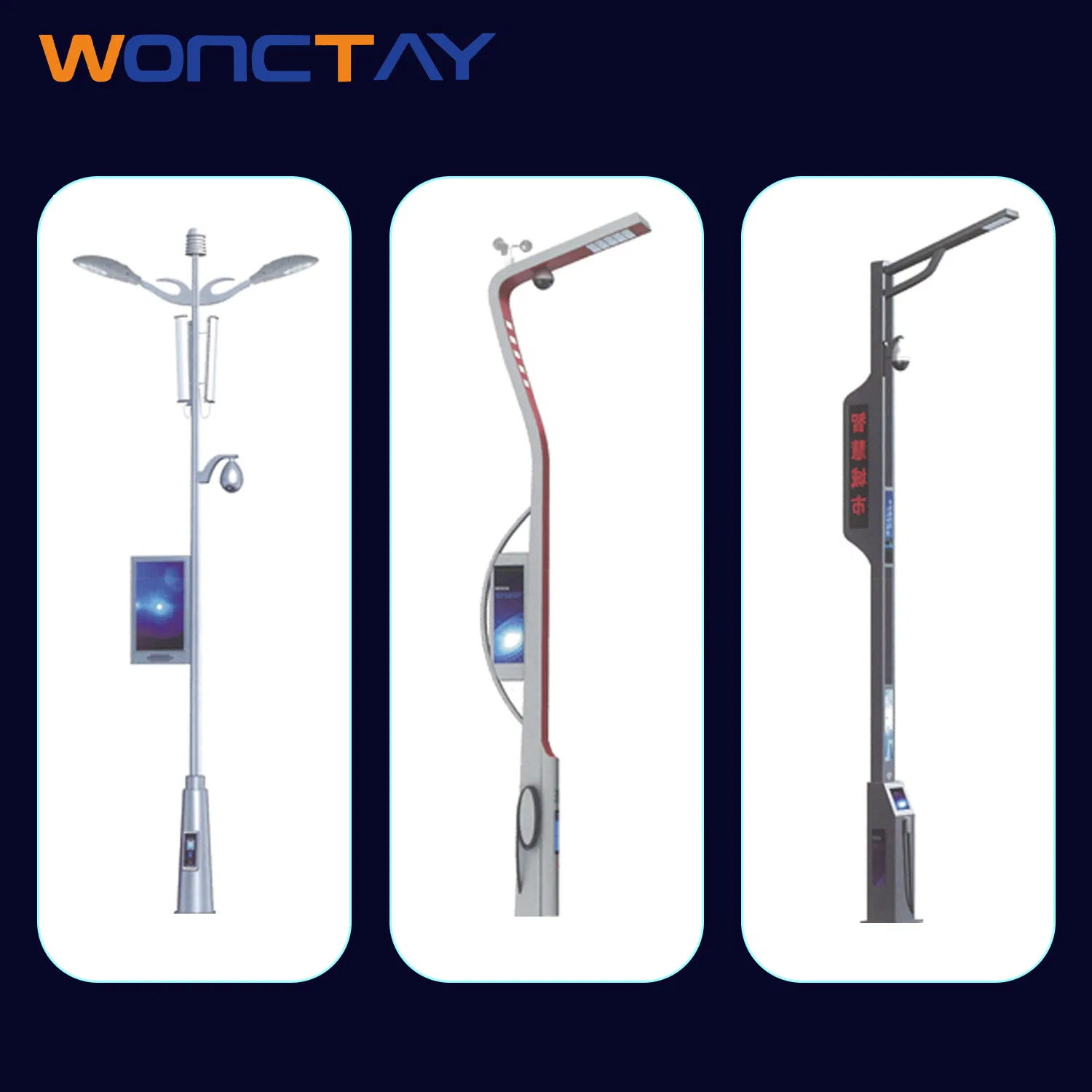
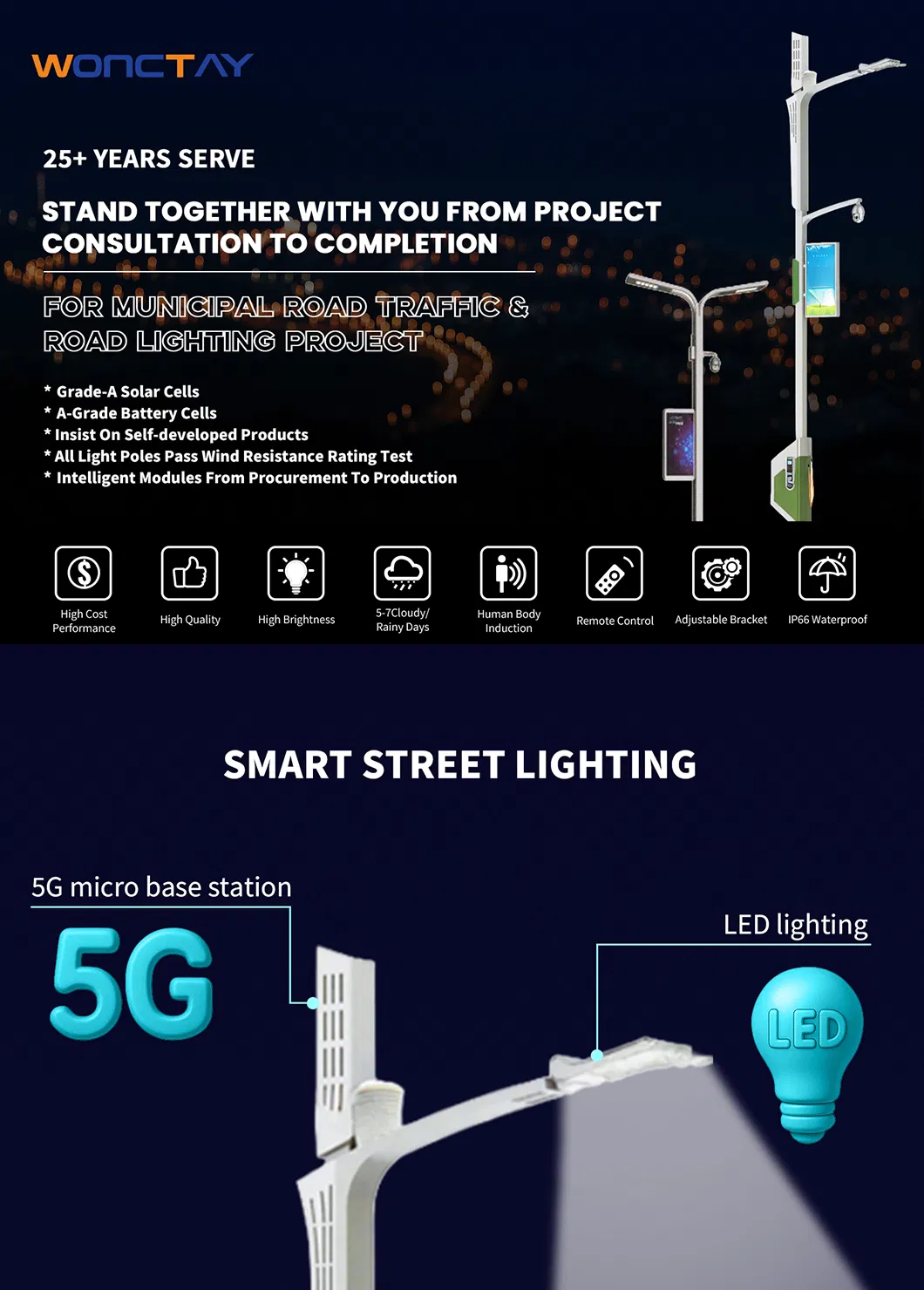
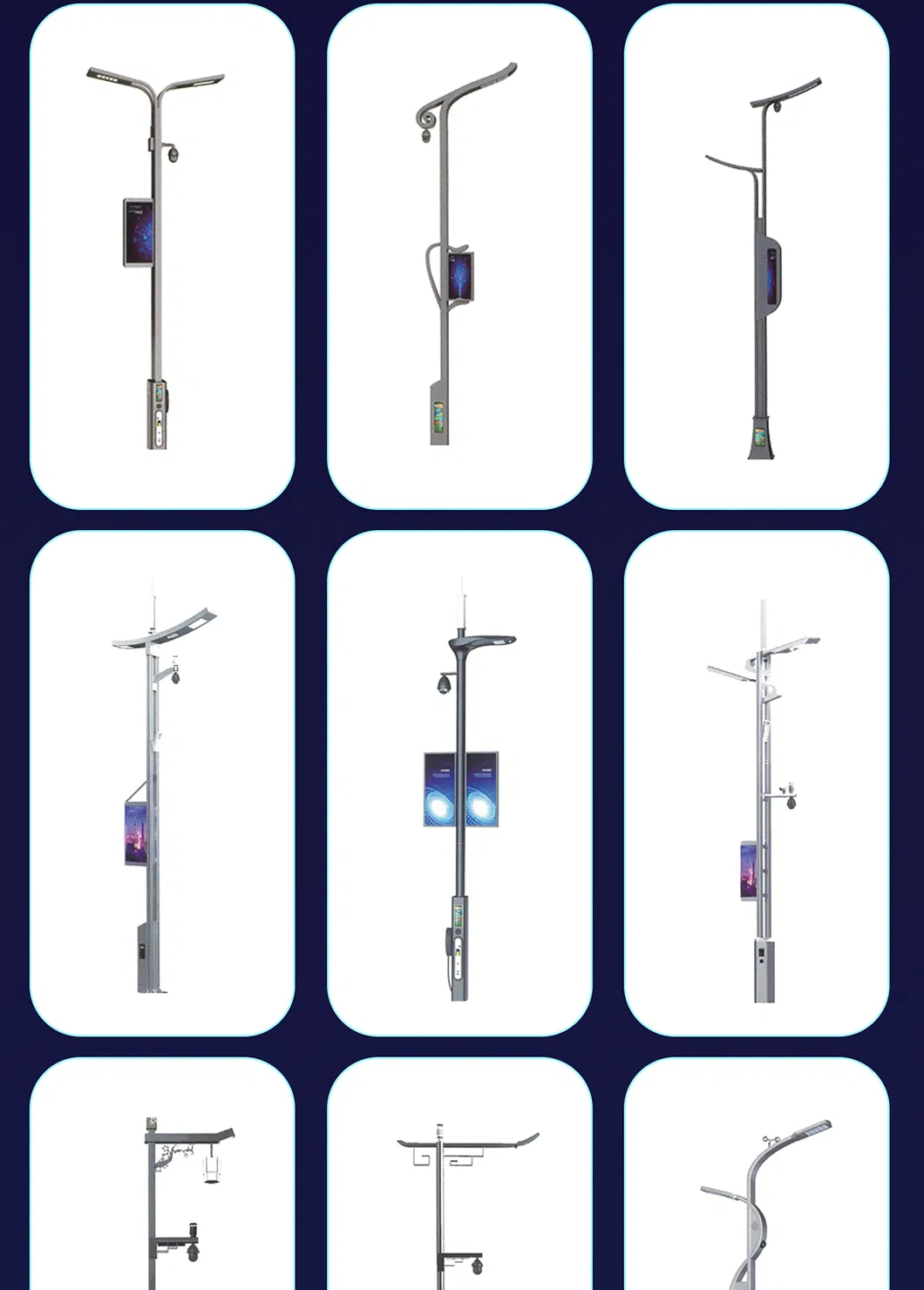
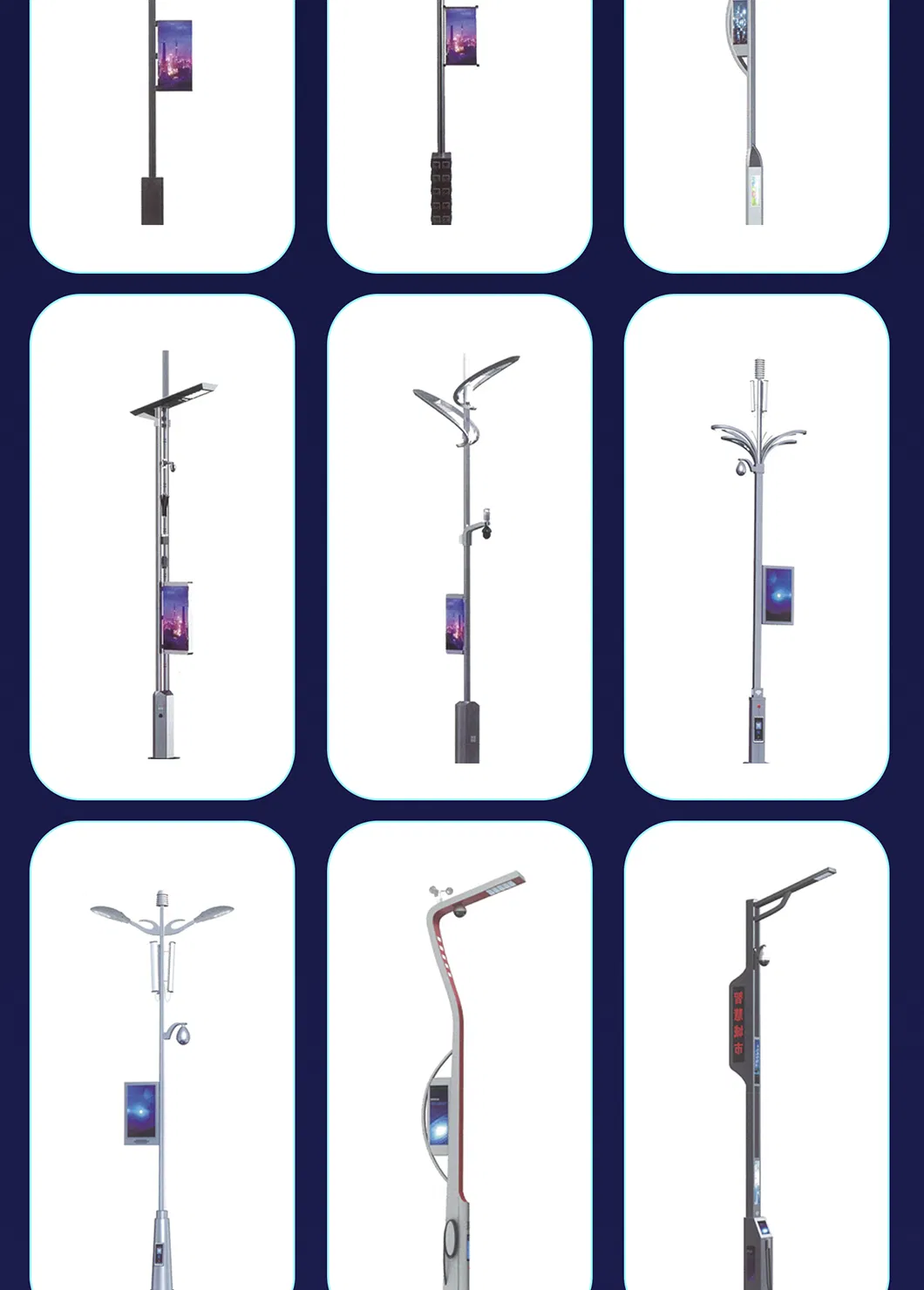
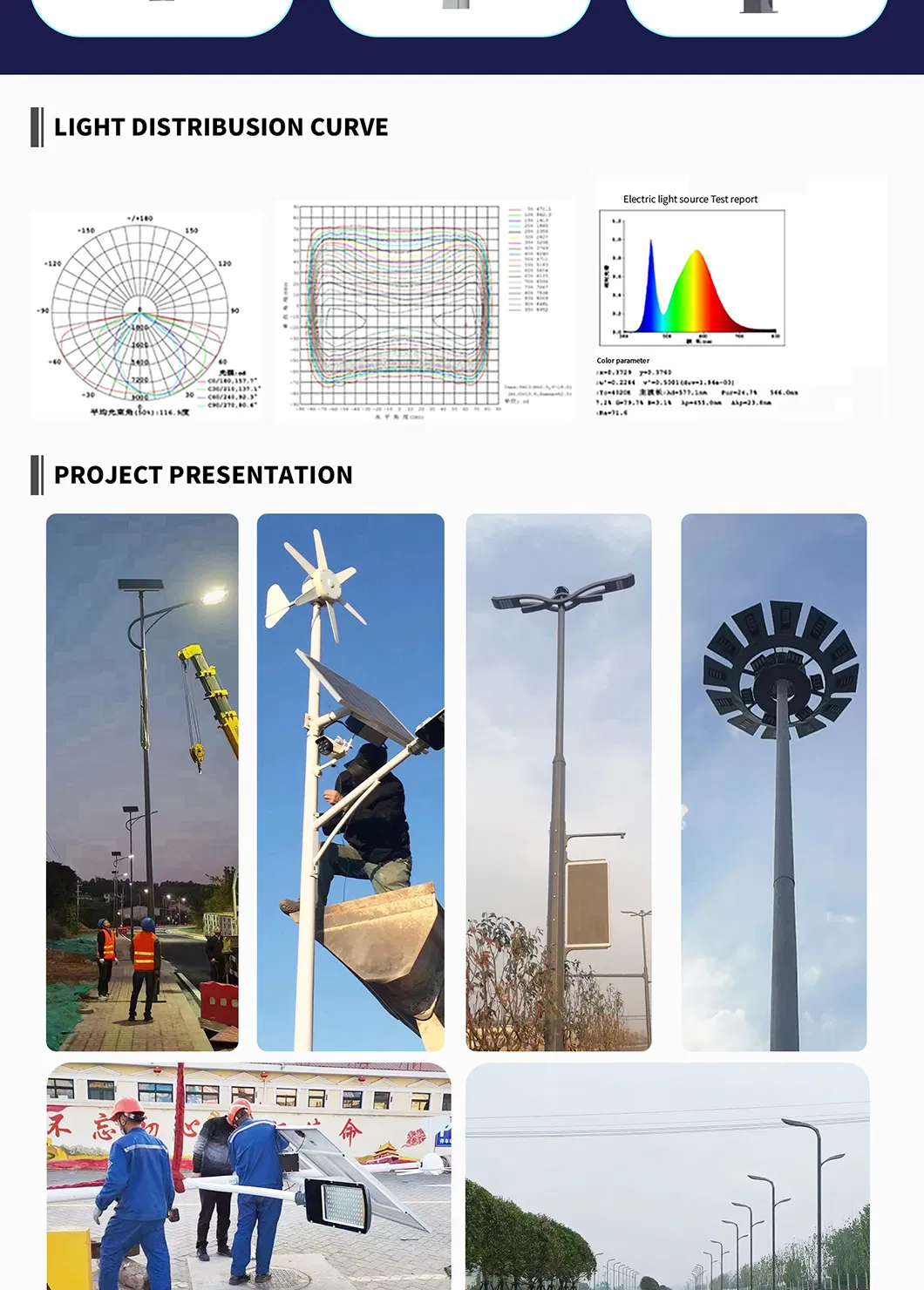
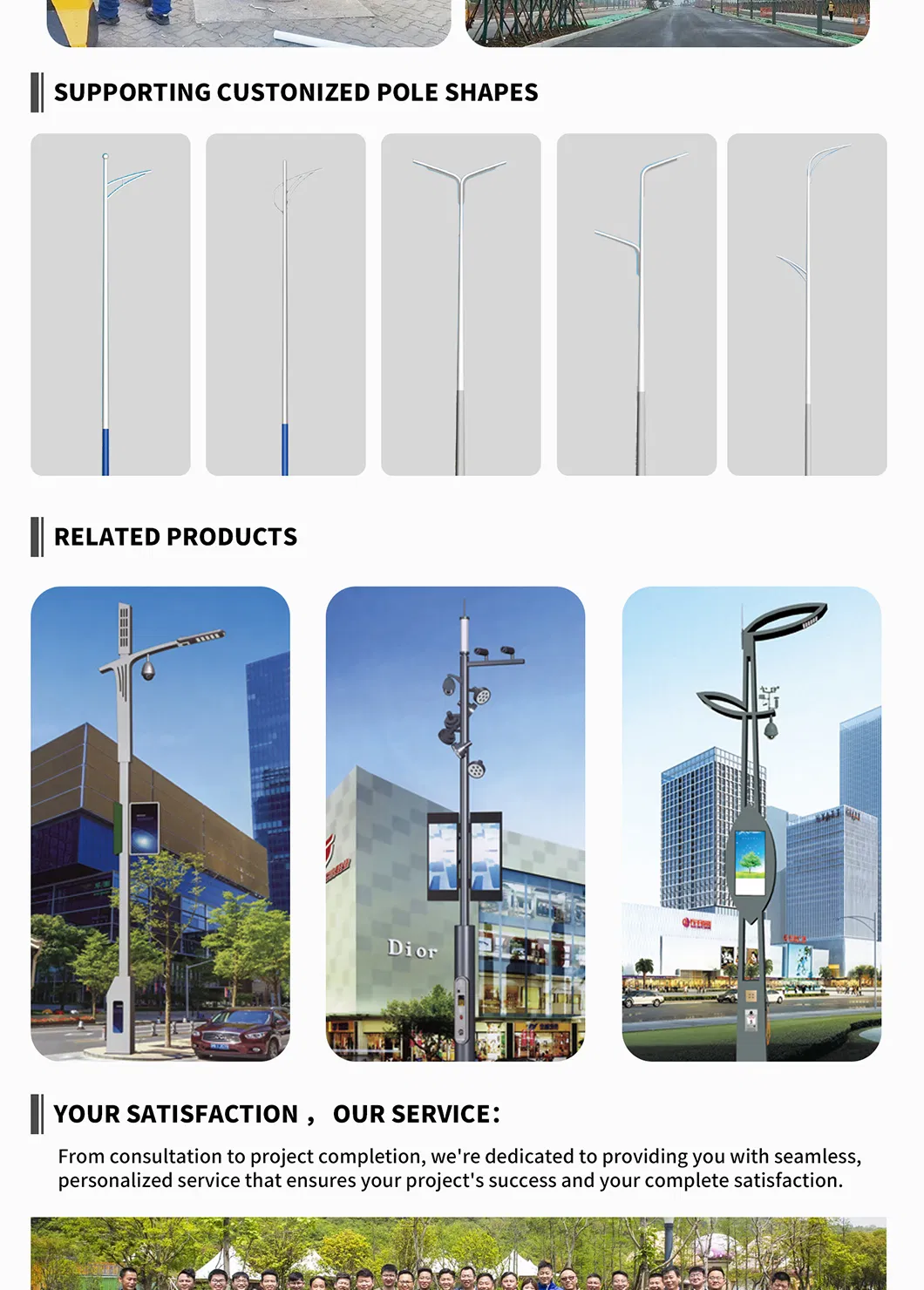
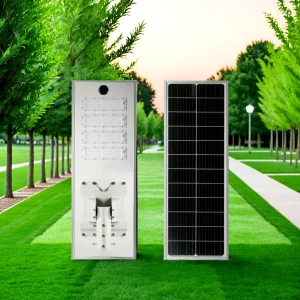
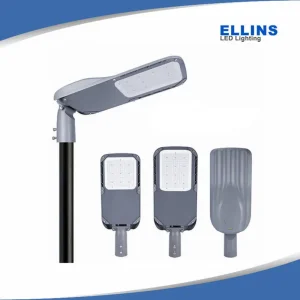
Smart street lights represent the next generation of urban infrastructure, powered by the Internet of Things (IoT), big data, and artificial intelligence. They are an intelligent upgraded version of traditional street lights. By integrating multiple sensors, communication modules, and intelligent control systems, these lights provide more than just illumination. They offer environmental monitoring, information interaction, security monitoring, and energy management, forming a critical component of modern smart city construction.
Core Components
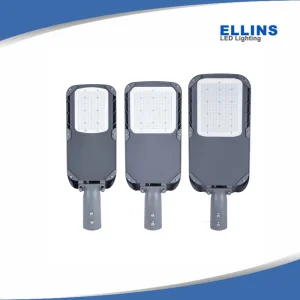
Smart Lighting System: Utilizes high-efficiency LED sources with adaptive brightness adjustment based on light, traffic, and time.
Environmental Sensors: Monitors air quality, temperature, humidity, noise, and PM2.5 levels in real-time.
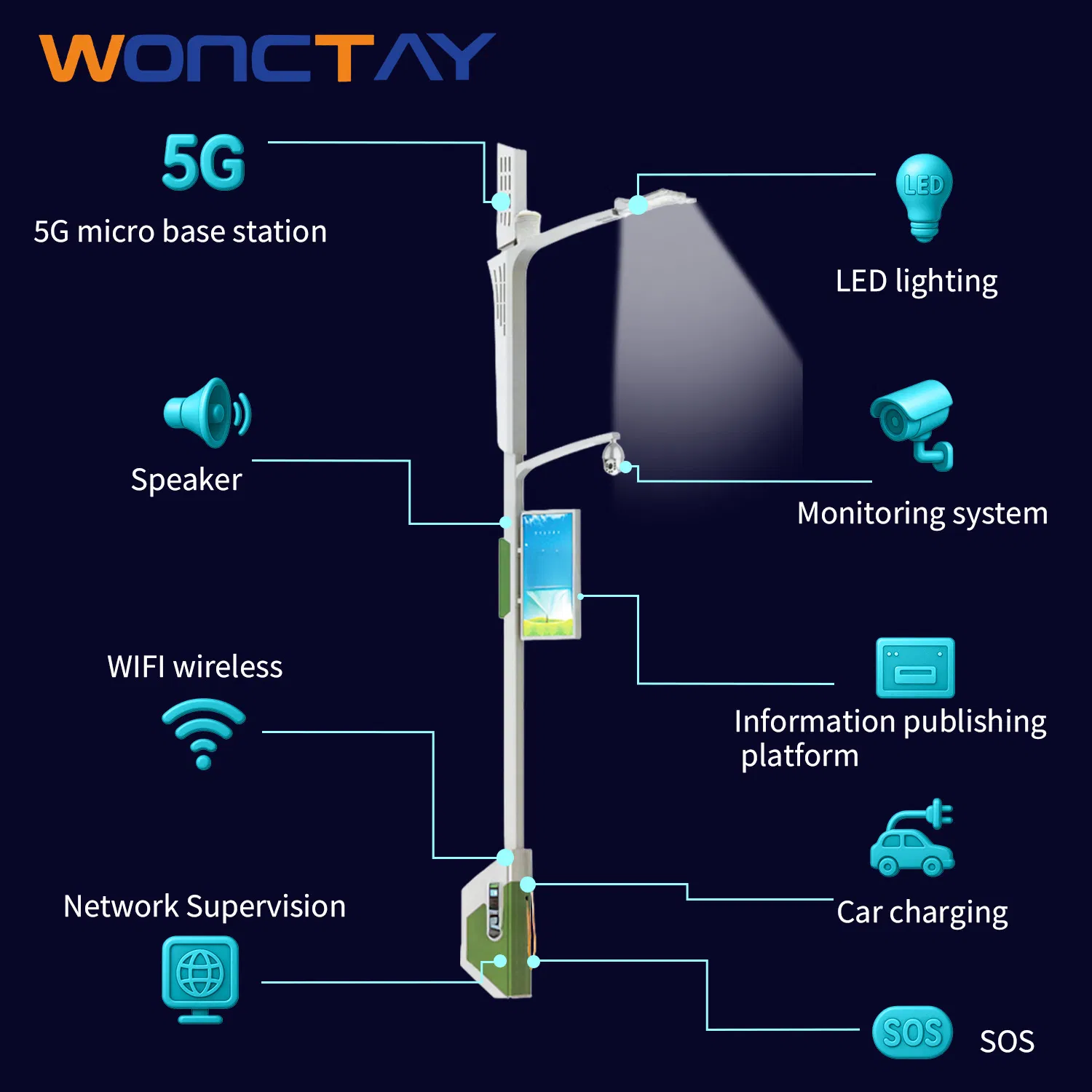
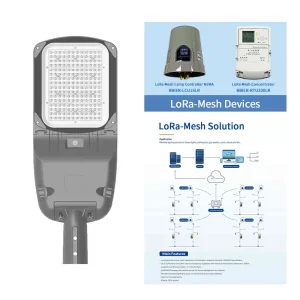
Network Module: Supports 5G, Wi-Fi, LoRa, and NB-IoT for seamless device interconnection.
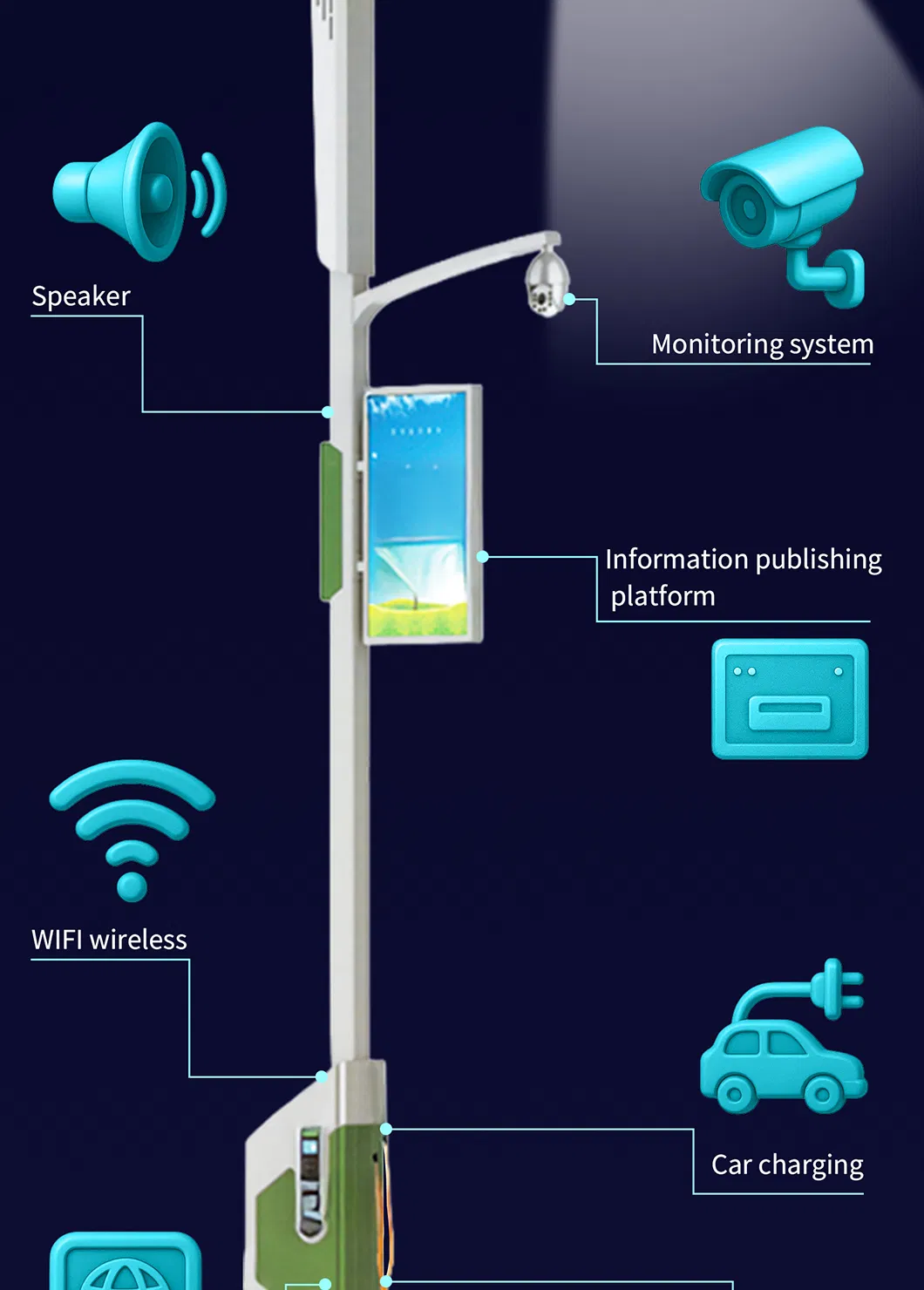
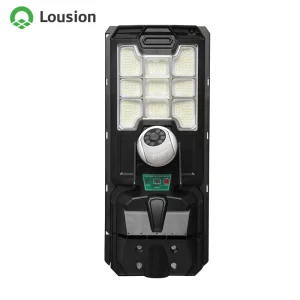
Smart Terminal: Integrates cameras, electronic information screens, emergency buttons, and charging piles.
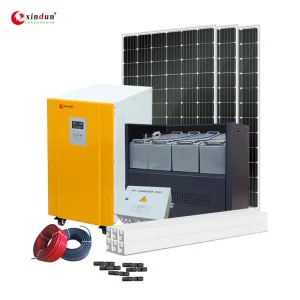
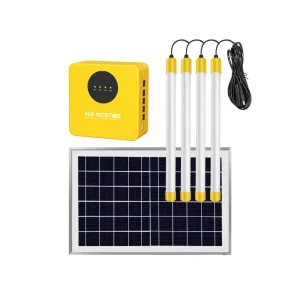
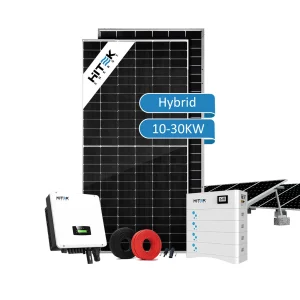
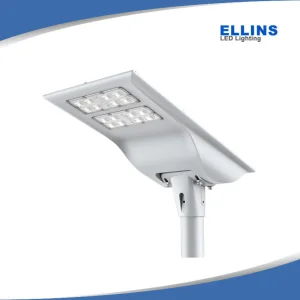
Energy Management: Equipped with premium solar panels and energy storage for self-sufficiency.
Key Advantages
High Efficiency: Saves 30%-70% of electricity via AI-driven adaptive dimming and solar integration.
Multi-functional Integration: One pole handles lighting, 5G base stations, traffic monitoring, and more, saving urban space.
Data-Driven Governance: Provides real-time traffic and environmental data to optimize city management and emergency response.
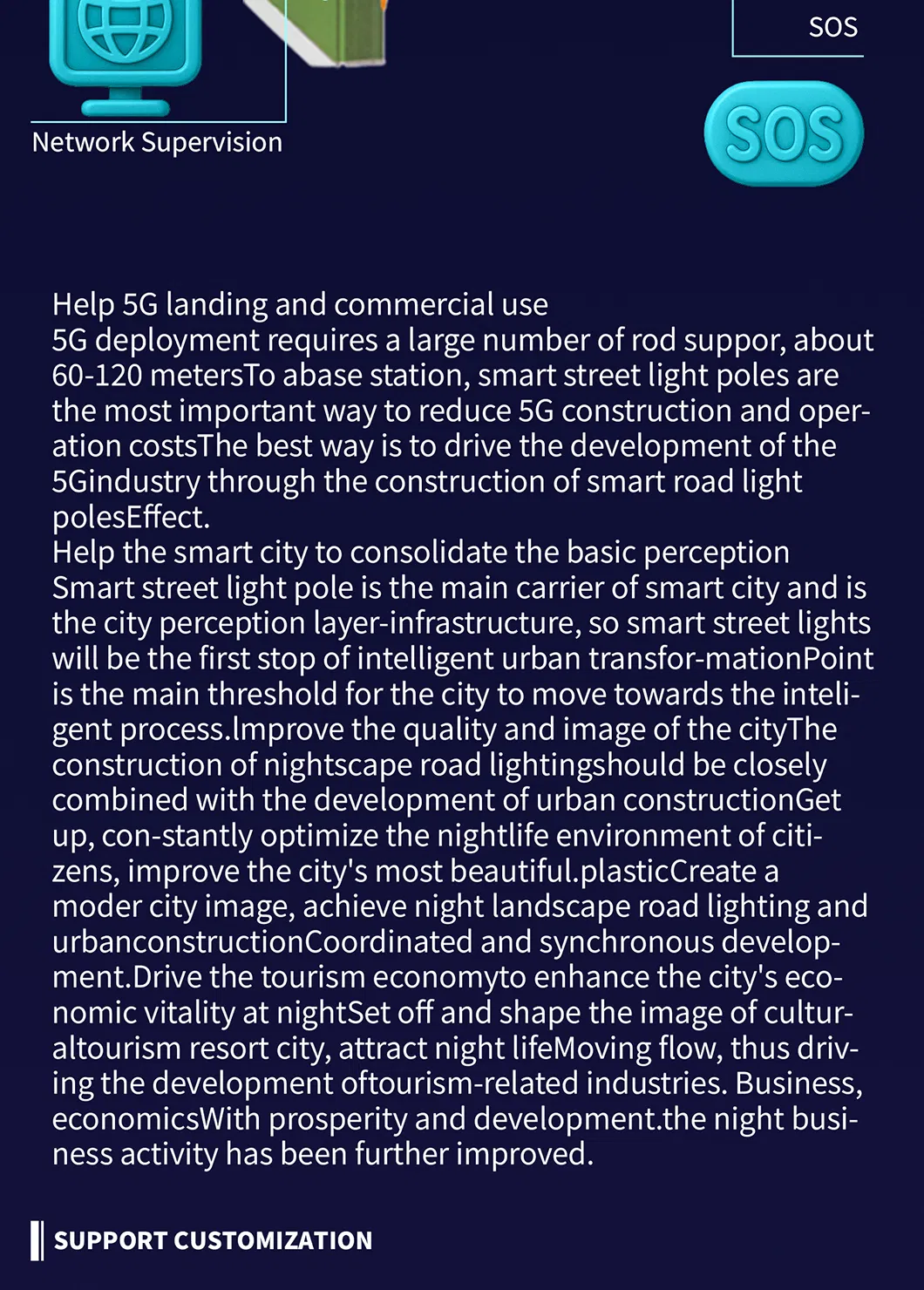
Public Safety: Features AI cameras for face recognition, abnormal behavior detection, and one-click emergency alarms.
5G Ecology: Acts as a carrier for 5G micro base stations, solving "last mile" connectivity issues.
Sustainability: LED lifespan exceeds 50,000 hours, significantly reducing light pollution and carbon footprint.
Frequently Asked Questions
Q: How do smart street lights save energy compared to traditional ones?A: They use adaptive dimming via light sensors and AI algorithms, reducing brightness during low-traffic hours to save 30%-70% of electricity.
Q: What communication protocols are supported?A: Our systems support 5G, Wi-Fi, LoRa, and NB-IoT to ensure stable device interconnection and data transmission.
Q: What is the charging and illumination time?A: The solar system requires approximately 8 hours of charging time to provide up to 12 hours of continuous illumination.
Q: Can these poles be used for electric vehicle charging?A: Yes, the modular design allows for the integration of charging piles and other equipment like drone landing pads.
Q: What is the IP rating for these lights?A: The lights have an IP65 rating, ensuring they are dust-tight and protected against water jets from any angle.
Q: How do they contribute to public safety?A: By integrating AI cameras for behavior recognition, face recognition, and one-click emergency call buttons for immediate assistance.
 Zenvyra