Turnkey photovoltaic pumping platforms purpose-built for Pacific island conditions — high salinity air, variable solar irradiance and remote maintenance access.
Mulifanua sits at the northwestern tip of Upolu, Samoa — the site of Faleolo International Airport and the country’s principal maritime gateway. The district is a microcosm of Pacific infrastructure pressure: a fast-growing tourism corridor, subsistence and semi-commercial agriculture, and coastal villages where diesel-driven boreholes remain the default fallback. Fuel logistics to Upolu are expensive and weather-dependent, and grid extensions to outlying plantations are capital-intensive. That economic reality makes solar submersible pump systems the lowest levelized-cost answer for water lifting in Mulifanua.
Samoa’s national energy policy targets near-total renewable electricity generation, and donor-backed rural water programmes increasingly specify photovoltaic pumping over diesel generator sets. For Mulifanua specifically, the combination of high annual solar irradiance, shallow-to-mid-depth aquifers, and scattered settlement patterns aligns almost perfectly with DC submersible pump architecture: no grid interconnect, no fuel supply chain, and minimal operator intervention.
Buyers are no longer purchasing a pump — they are purchasing a guaranteed daily water yield, remotely verifiable.
Maximum power point tracking inverters now deliver 15–30% more daily yield than PWM predecessors, particularly under the fast-moving cloud cover typical of the South Pacific wet season.
GPRS/4G monitoring of flow rate, tank level and fault codes is moving from premium option to baseline requirement for donor-funded island projects.
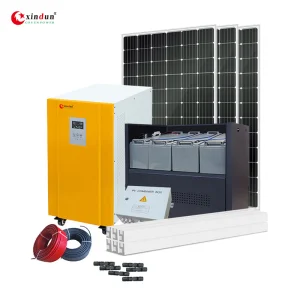
Systems that accept both PV and grid/generator input let Mulifanua operators migrate gradually while preserving uptime during extended overcast periods.
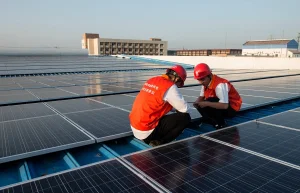
430–455W TOPCon modules pack more watts into limited roof or ground-mount footprints — decisive where land near a borehole is constrained.
Designers now prioritize field-replaceable motor cartridges and standardized impeller stacks, cutting mean time to repair in locations where technician travel is the dominant cost.
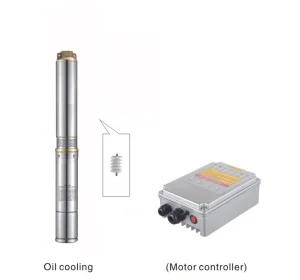
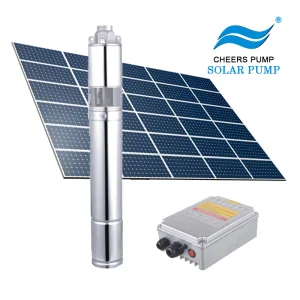
Corrosion-resistant 304/316 stainless wet ends and IP68-rated motors are now mandatory in salt-air environments like Mulifanua’s coastal belt.
From Pacific government tenders to Middle East agribusiness — the procurement checklist has converged.
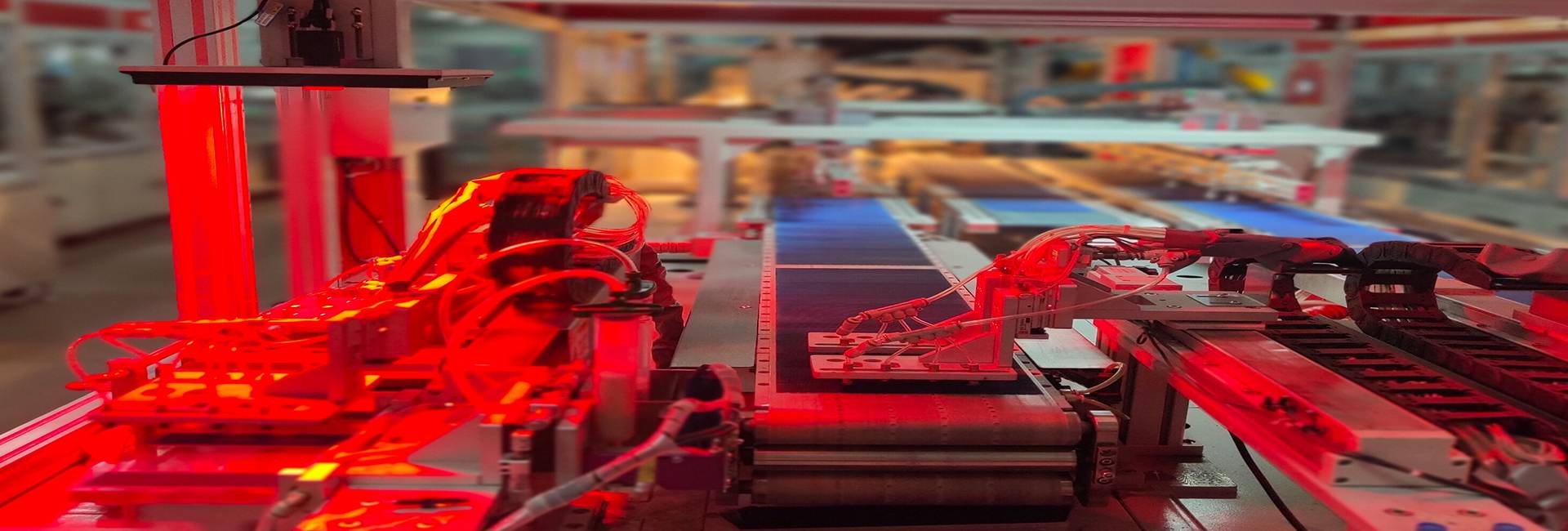
The competitiveness of a Chinese solar pump manufacturer is no longer purely a labor-cost story. It is an integration story: co-located PV module lines, motor winding automation, inverter SMT assembly and system-level test benches within a single industrial cluster. This vertical density compresses lead times, stabilizes quality and absorbs component shocks that would stall a disaggregated supply chain.
Robotic stator winding and laser-welded rotor assembly deliver consistent insulation integrity across production lots — critical for submersible motors that cannot be serviced in situ.
Every pump skid is run against a simulated head-flow profile before shipment, with test data archived and traceable by serial number.
Strategic stock of MCUs, IGBTs and stainless raw material shields export orders from single-source disruption — a decisive advantage for tender deadlines.
For a Mulifanua buyer, this translates into predictable 25–35 day production cycles, factory-level customization of voltage/frequency/head parameters, and a single accountable partner across PV, pump and control electronics.
Where photovoltaic submersible pumping delivers measurable economic value on Upolu’s northwest coast.
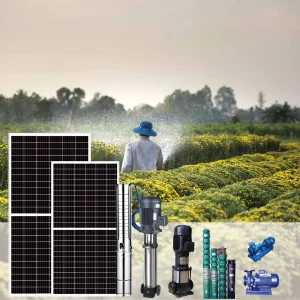
Taro, coconut and vegetable plots around Mulifanua rely on seasonal rainfall. A 1–5HP DC submersible system with 3–5kWp PV array can lift 20,000–60,000 L/day from shallow bores, extending growing seasons without fuel cost.
Tourism growth near the airport corridor raises potable water demand. Hybrid AC/DC systems with elevated storage tanks provide 24-hour pressure while drawing zero grid power during daylight hours.
Remote pasture troughs are the classic solar pump use case: small flow, high reliability, zero routine labor. A 1100W DC system with float-valve control requires no operator intervention.
After tropical cyclones disrupt grid and fuel deliveries, PV pumping with battery buffering keeps critical water points operational — a resilience argument that resonates strongly with Pacific infrastructure planners.
Hangzhou Zenvyra Solar Co., Ltd. is a forward-thinking manufacturer specializing in advanced solar power system solutions, with a strong focus on off-grid, hybrid, and customized energy applications. Based in Hangzhou, China, Zenvyra is dedicated to delivering reliable, efficient, and scalable solar technologies for global residential, commercial, and industrial markets.
With extensive experience in renewable energy engineering, the company provides a full range of solutions including off-grid solar systems for remote areas, hybrid energy systems for stable power supply, and tailor-made solar applications designed to meet specific project requirements. Zenvyra integrates high-performance components such as solar panels, intelligent inverters, and energy storage systems to ensure optimal efficiency and long-term durability.
Driven by innovation and sustainability, Hangzhou Zenvyra Solar Co., Ltd. continuously invests in research and development to improve system performance and adapt to evolving energy demands. Its products are widely used in rural electrification, smart infrastructure, agriculture, and commercial energy management projects.
Committed to quality, the company follows strict manufacturing standards and offers comprehensive technical support, from system design to installation guidance. As a trusted solar solutions provider, Zenvyra aims to empower customers worldwide with clean, renewable, and cost-effective energy alternatives.
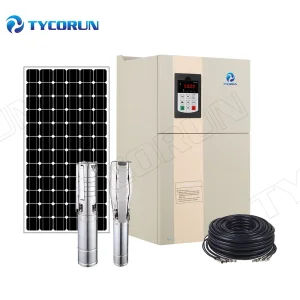
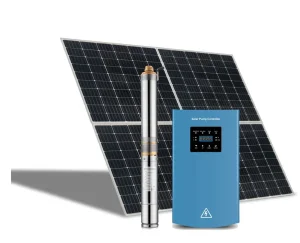
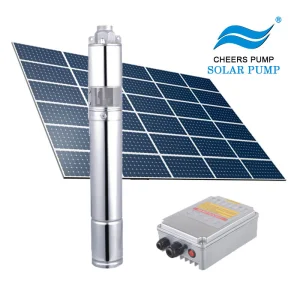
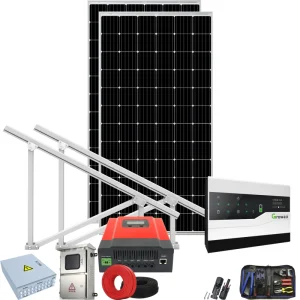
Complete solar submersible and surface pumping configurations — from 72V garden kits to 30HP remote-area systems.
Procurement and engineering questions we receive most often from Mulifanua and wider Pacific project developers.
Share your borehole depth, daily water requirement and site conditions — our engineering team returns a sized system, performance curve and delivered-cost proposal.
 Zenvyra