Engineered for high static lift, optimized flow control, and zero-fuel operations under extreme solar conditions.
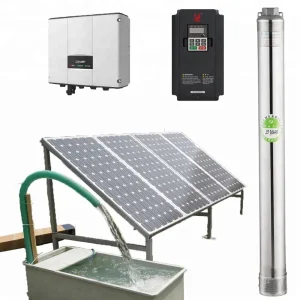
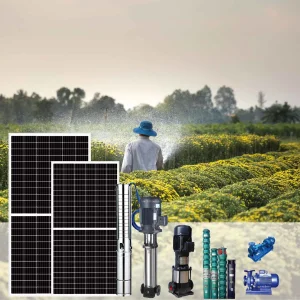
As the driest country in Sub-Saharan Africa, Namibia poses exceptional hydrological challenges to agriculture and livestock breeding. With an average rainfall pattern varying between less than 50mm on the coast to 600mm in the Zambezi strip, commercial farming relies almost entirely on groundwater tapping. Subsurface aquifers located in the Stampriet Artesian Basin, the Karas Region, and the central-north limestone aquifers require reliable, continuous water extraction.
For decades, diesel-driven pump sets have been the primary method for extracting groundwater from deep boreholes. However, escalating fuel distribution costs, remote farm logistics, and high maintenance expenses have severely compromised agricultural margins. Solar irrigation systems utilizing high peak-sun hours (averaging 3,000 to 3,600 hours of direct sunshine per year, with typical solar radiation intensities exceeding 6.0 kWh/m²/day) present an optimal technological transition.
By shifting to advanced solar PV-direct pumping systems, commercial livestock ranchers, crop farmers under the Namibian Green Scheme, and municipal water bodies can secure long-term energy independence, optimize daily dynamic head performance, and establish climate-resilient water infrastructure.
Providing high-efficiency off-grid and hybrid energy infrastructure to Namibia's demanding agricultural sectors.
Our systems conform to rigorous standards built to endure Namibia's intense dry-season heat and high UV-index exposures.
Continuous evolution in motor control, solar panel performance, and digital system integration.
By moving from traditional AC induction motors to Permanent Magnet Synchronous Motors (PMSM), motor efficiency is elevated by up to 20%. This minimizes the PV array size needed to reach target flow rates.
Integrating intelligent dynamic power switching. The pump operates on 100% solar energy during the day and automatically transitions to grid power or auxiliary diesel generator input when cloudy conditions arise.
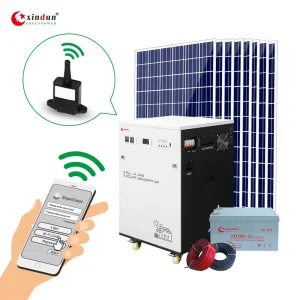
With integrated GPRS/LoRaWAN modules, commercial farmers can monitor real-time water volume, operating voltage, and motor temperature via mobile device apps, avoiding unexpected field checks.
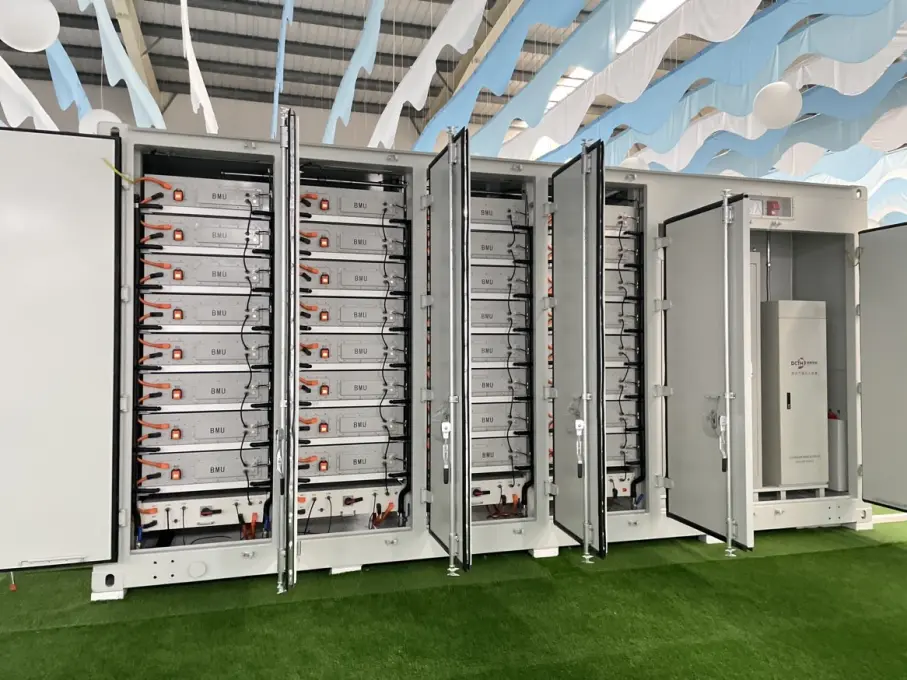
Hangzhou Zenvyra Solar Co., Ltd. is a forward-thinking manufacturer specializing in advanced solar power system solutions, with a strong focus on off-grid, hybrid, and customized energy applications. Based in Hangzhou, China, Zenvyra is dedicated to delivering reliable, efficient, and scalable solar technologies for global residential, commercial, and industrial markets.
With extensive experience in renewable energy engineering, the company provides a full range of solutions including off-grid solar systems for remote areas, hybrid energy systems for stable power supply, and tailor-made solar applications designed to meet specific project requirements. Zenvyra integrates high-performance components such as solar panels, intelligent inverters, and energy storage systems to ensure optimal efficiency and long-term durability.
Driven by innovation and sustainability, Hangzhou Zenvyra Solar Co., Ltd. continuously invests in research and development to improve system performance and adapt to evolving energy demands. Its products are widely used in rural electrification, smart infrastructure, agriculture, and commercial energy management projects.
Committed to quality, the company follows strict manufacturing standards and offers comprehensive technical support, from system design to installation guidance. As a trusted solar solutions provider, Zenvyra aims to empower customers worldwide with clean, renewable, and cost-effective energy alternatives.
Ensuring operational compliance and local engineering synergy with local distributors.
Exporting to the southern African market demands rigid adherence to established electro-technical and hydrological guidelines. All Zenvyra solar controllers and submersible pumps feature certifications in alignment with IEC 60364-7-712 guidelines and South African National Standards (SABS/SANS) which govern electrical setups in Namibia. Furthermore, dynamic water flow limits conform to regulations designed to safeguard fragile underground aquifers.
To reduce system downtime, we closely cooperate with engineering firms and agricultural distributors based in Windhoek, Walvis Bay, Rundu, and Rietfontein. We offer local dealers spare-part inventories, training on MPPT parameter adjustment, and technical documentation. Our remote support engineers provide quick dynamic diagnostics to ensure that agricultural operations maintain constant water supply during the intense dry season.
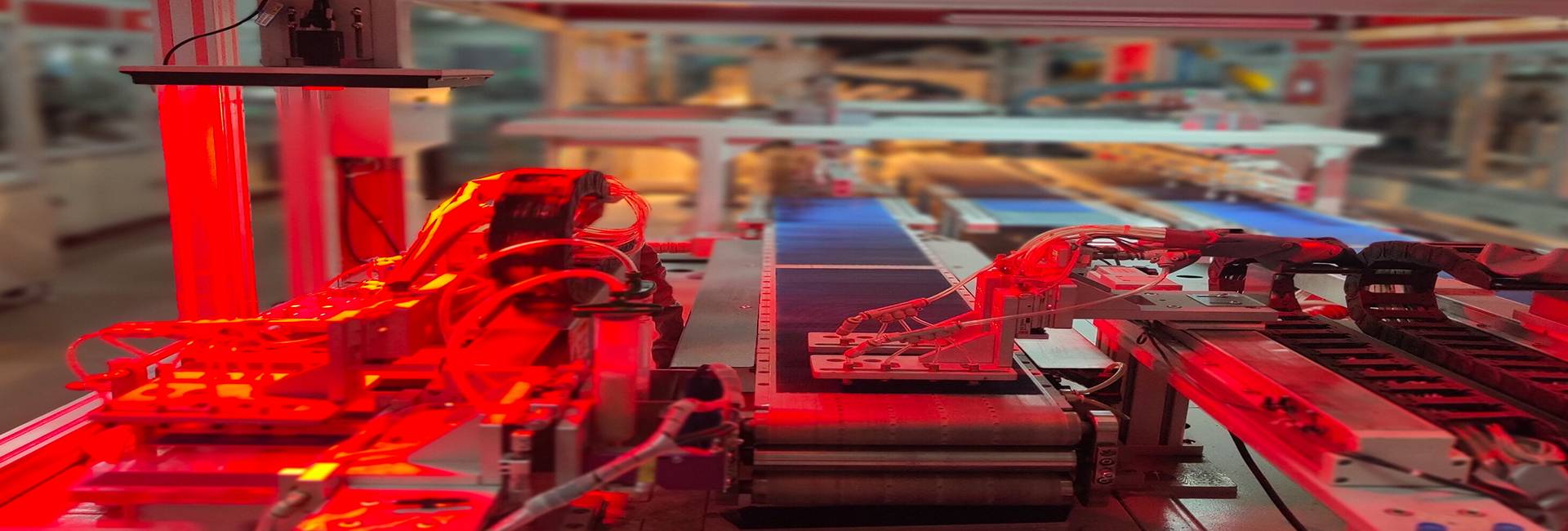
Operating from our primary production center in Hangzhou, China, Zenvyra leverages Industry 4.0 manufacturing processes to maintain quality and cost control. Modern automated lines handle PCB assembly for solar drive controllers, motor stator winding, and final assembly. Each pump motor undergoes dynamic balancing tests and hydro-pressure verification before packing.
By sourcing raw materials through consolidated regional supply networks, we maintain production schedules even during global component supply crunches. This ensures prompt shipment departures from Ningbo and Shanghai ports, minimizing delays in delivery to the southern African region.
Consult with our engineers to configure pump ratings, dynamic head performance, and PV power layouts designed specifically for your borehole parameters.
Send Inquiry NowStructured procurement guidelines for commercial farms, municipal tenders, and NGO water development projects.
For large-scale agricultural projects, mining operations, and regional water supply schemes, procurement departments require technical data verification and compliance guarantees. Zenvyra supports global engineering procurement contractors (EPC) with a transparent documentation package, including:
We work closely with contractors to provide sizing simulations based on historical GPS-linked solar radiation databases in Namibia, ensuring that your system design matches regional demands.
To receive an accurate system configuration quote, please provide the following details in your inquiry:
1. Borehole Total Depth & Static Level: (Meters)
2. Target Flow Rate: (Cubic meters per day / hour)
3. Horizontal Transfer Distance: (Meters to storage reservoir)
4. Storage Elevation Differential: (Meters)
5. Water Quality Parameters: (Salinity, presence of silt/solids)
Our technical design desk will return complete system configuration layouts within 48 business hours.
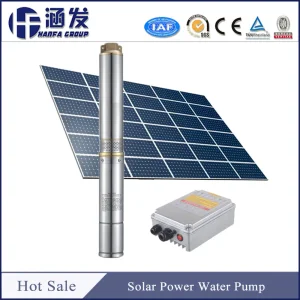
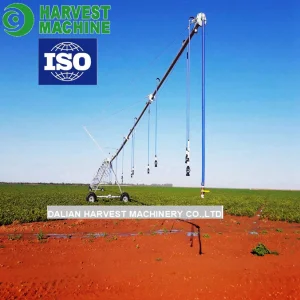
Explore our selection of surface and submersible solar pumps configured for agricultural deployments in Namibia.
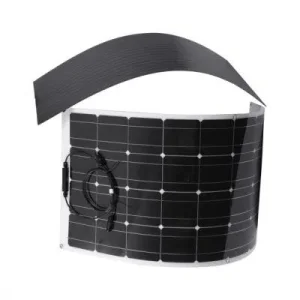
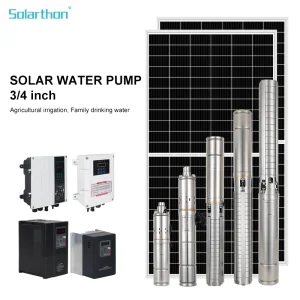
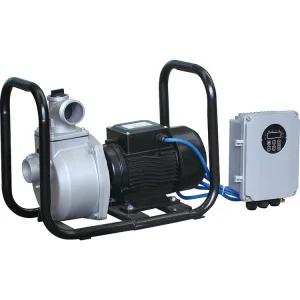
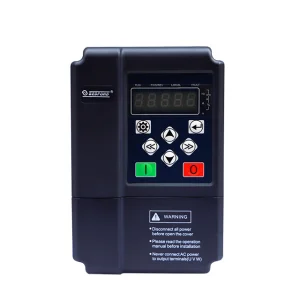
Get answers to common technical queries regarding configuration, deployment, and operation of solar irrigation systems in arid zones.
Accumulation of dust can significantly reduce solar panel efficiency. We suggest installing PV solar arrays at a tilt angle of at least 15 to 20 degrees to facilitate self-cleaning during minor rains. Additionally, using solar panels with anti-reflective, hydrophobic coatings reduces dust adhesion. Periodic manual washing using recycled greywater or bore-water is advised during the peak dry seasons in regions like Erongo and Karas.
Yes. Our systems are engineered to operate without batteries. By storing water in elevated tanks or reservoirs during peak solar hours, you save potential energy directly. This eliminates the purchase, maintenance, and thermal management costs of high-capacity lead-acid or lithium battery banks, which typically struggle under high desert temperatures.
Zenvyra's submersibles are matched to borehole configurations requiring up to 250 meters of dynamic head lift. Using multi-stage centrifugal impellers driven by PMSM or high-performance AC motors, our systems maintain steady delivery rates even when pumping from deep groundwater tables in Stampriet or central limestone aquifers.
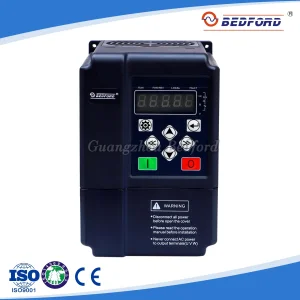
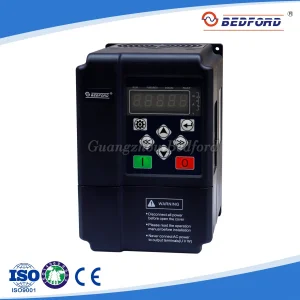
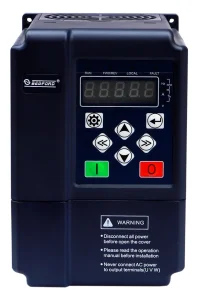
Our controllers are housed in IP65-rated enclosures featuring large heat sinks and integrated cooling profiles. The internal electronic components are selected to operate at temperatures up to 65°C. Under high temperature limits, the controller adjusts output power to prevent damage while maintaining operational flow.
For most commercial farms in Namibia, the payback period ranges from 18 to 24 months. Eliminating diesel fuel purchases, logistics costs, and engine maintenance saves substantial operating expenses, shielding farmers from global fuel market fluctuations.
 Zenvyra