High-performance remote management modules, solar water pumps, and integrated storage solutions engineered for industrial and agricultural infrastructure.

As clean energy transitions from centralized power plants to distributed, smart-edge networks, enterprise buyers—including EPC contractors, utility developers, and IoT infrastructure integrators—demand highly specialized control mechanisms. Solar charge controllers are no longer passive voltage regulation units. In modern industrial deployments, they serve as the primary communication and telemetry hub.
Global buyers look for versatile protocol support including LoRaWAN, NB-IoT, 4G LTE, and Zigbee. Deploying systems in isolated regions requires low-power wide-area network (LPWAN) modules capable of transmitting critical parameters over tens of kilometers without high data subscription fees.
Industrial operations in the Middle East, Africa, and Australia demand thermal dissipation designs that prevent power derating at elevated temperatures (up to 60°C). Fans are prone to mechanical failure; hence, aluminum fin gravity heat dissipation is highly favored.
With the mass transition from Lead-Acid to Lithium Iron Phosphate (LiFePO4) and Lithium Titanate (LTO) cells, controllers must provide configurable charging profiles, integrated RS485/CAN interfaces, and active cell balancing logic.
| Wireless Technology | Effective Range | Power Consumption | Ideal Application Scenario | Bandwidth & Security |
|---|---|---|---|---|
| LoRaWAN / Mesh | 10 - 15 km (line of sight) | Ultra-Low | Smart Streetlights & Large Agricultural Fields | Low bandwidth, AES-128 encryption |
| NB-IoT (Cellular) | Within base station reach | Low-Medium | Distributed Urban Infrastructure & Commercial Solar Systems | Medium bandwidth, Carrier-grade security |
| Zigbee (IEEE 802.15.4) | 100 - 300 m (local mesh) | Low | Micro-grid containerized storage (ESS) setups | Low latency, short distance coordination |
| 4G LTE / 5G | National cellular grids | High | Utility-scale high-definition camera solar monitoring | High bandwidth, SSL/TLS, VPN tunneling |
How modern infrastructure leverages China's advanced manufacturing capabilities to orchestrate resilient, zero-emission engineering networks.
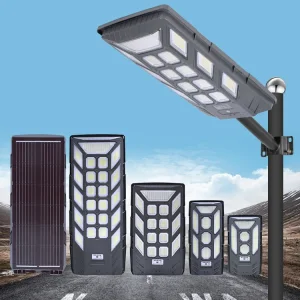
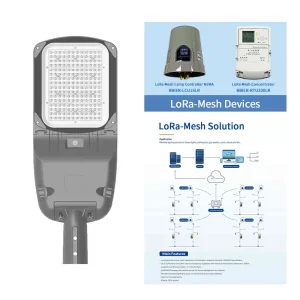
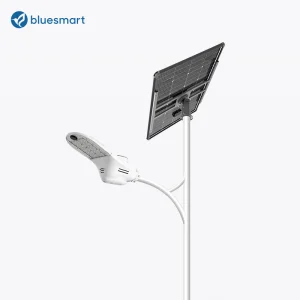
By implementing smart LoRa Mesh controllers, cities can monitor battery health, calculate degradation curves, adjust LED dimming dynamically via radar/infrared sensors, and centralize municipal energy audits.
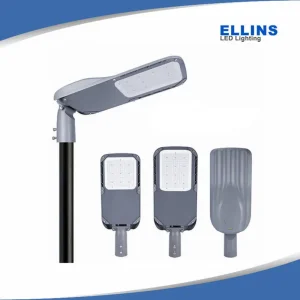
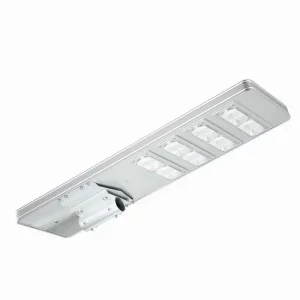
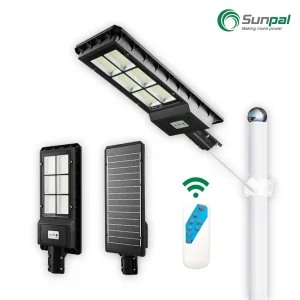
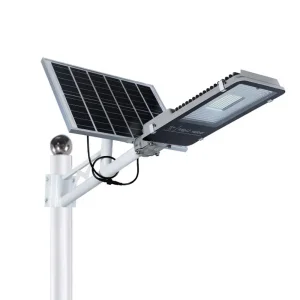
Key Components: Smart LED Streetlight with Plsm System, Gateway Concentrators.Remote industrial installations (mining camps, telecom towers) use multi-stage hybrid controllers that prioritize solar output, transition seamlessly to lithium battery storage, and automatically fire backup generators when needed.
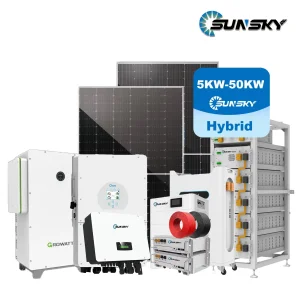
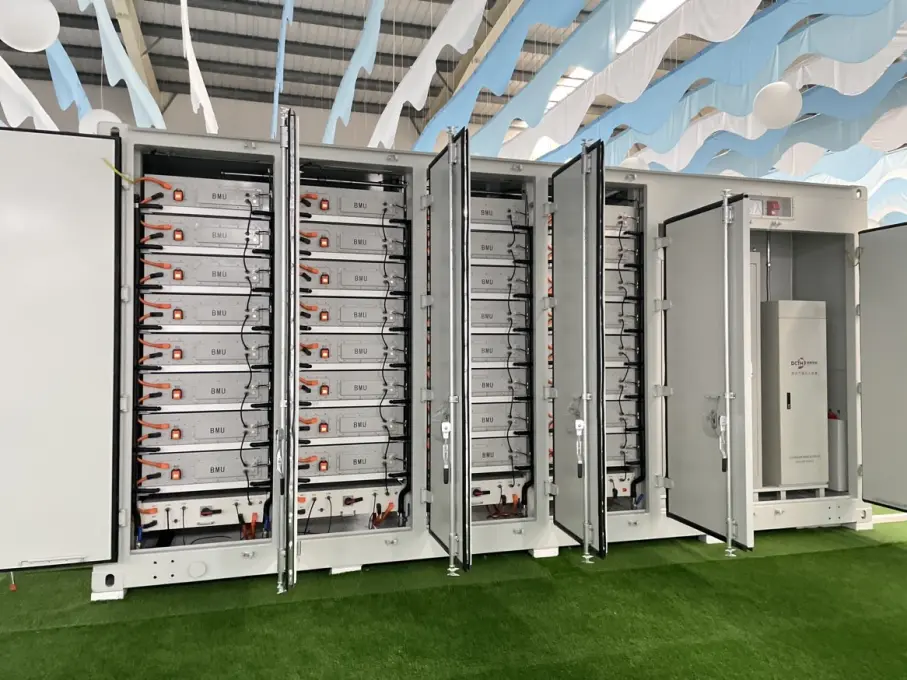
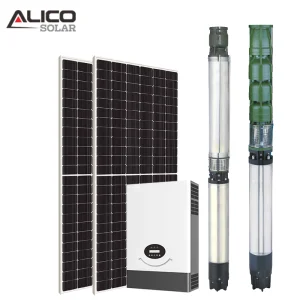
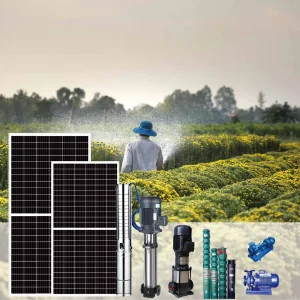
Key Components: High Power Lithium Solar Container ESS (0.5mwh - 1mwh), Deye Hybrid Systems.Utilizing MPPT solar pump system controllers coupled with soil moisture sensors, deep well solar pumps dynamically alter water volume delivery without requiring operator intervention.
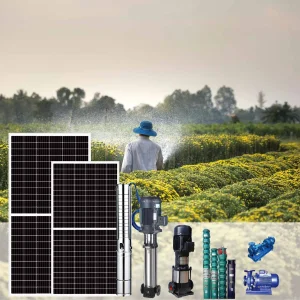
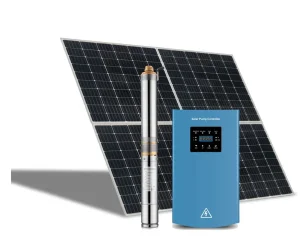
Key Components: 30kw Solar Pump Systems, Automatic Greenhouse Fertigation Drip Systems.The integration of artificial intelligence and edge computing is reshaping the power electronics sector. In upcoming design iterations, manufacturers are transitioning from simple rule-based charging behaviors to predictive, machine-learning-supported load modeling.
Future wireless controllers integrate microprocessors capable of processing historical meteorological data locally. By anticipating cloud coverage patterns, the controller prevents unnecessary battery cycles, extending overall lithium storage lifecycle by up to 25%.
Silicon carbide (SiC) and Gallium Nitride (GaN) switching transistors are replacing traditional MOSFETs. This allows the internal buck-boost circuits of MPPT controllers to operate at higher frequencies, drastically reducing inductor coil sizes and yielding conversion efficiencies exceeding 99.2%.
Self-healing wireless mesh protocols enable individual nodes (e.g., streetlights or agricultural valves) to form peer-to-peer relationships. If one node encounters physical interference, data effortlessly reroutes through adjacent controllers to maintain uninterrupted SCADA monitoring.
Engineering reliability, sustainable innovation, and global logistical excellence in specialized solar power system design.
Hangzhou Zenvyra Solar Co., Ltd. is a forward-thinking manufacturer specializing in advanced solar power system solutions, with a strong focus on off-grid, hybrid, and customized energy applications. Based in Hangzhou, China, Zenvyra is dedicated to delivering reliable, efficient, and scalable solar technologies for global residential, commercial, and industrial markets.
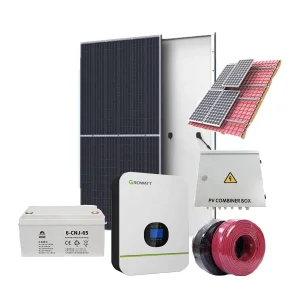
With extensive experience in renewable energy engineering, the company provides a full range of solutions including off-grid solar systems for remote areas, hybrid energy systems for stable power supply, and tailor-made solar applications designed to meet specific project requirements. Zenvyra integrates high-performance components such as solar panels, intelligent inverters, and energy storage systems to ensure optimal efficiency and long-term durability.
Driven by innovation and sustainability, Hangzhou Zenvyra Solar Co., Ltd. continuously invests in research and development to improve system performance and adapt to evolving energy demands. Its products are widely used in rural electrification, smart infrastructure, agriculture, and commercial energy management projects.
Committed to quality, the company follows strict manufacturing standards and offers comprehensive technical support, from system design to installation guidance. As a trusted solar solutions provider, Zenvyra aims to empower customers worldwide with clean, renewable, and cost-effective energy alternatives.
From initial grid design assessments to long-term operations and maintenance, we ensure seamless system deployments globally.
Analyzing local solar irradiance, ambient temperature extremes, and available wireless spectrum (LoRa bands, cell coverage) to establish hardware benchmarks.
Tailoring charging profiles specifically for the chosen battery chemistry (e.g., matching BMS parameters) and setting operational thresholds.
Verifying regulatory alignments, obtaining certifications (CE, FCC, RoHS, UL, IEC) to ensure hassle-free custom clearance and grid connection approvals.
Deploying central software gateways, integrating APIs into client SCADA systems, and activating remote alarm mechanisms for proactive preventative maintenance.
Direct answers from our engineering team concerning configuration, performance metrics, and operational design limits.
Explore our deep well solar water pumps, containerized power stations, and residential-to-commercial hybrid systems designed for resilience.
 Zenvyra