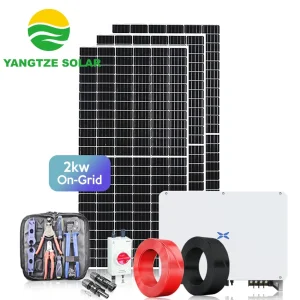
Precision-designed high-efficiency arrays, off-grid power banks, and state-of-the-art intelligent lighting configurations.
Hangzhou Zenvyra Solar Co., Ltd. is a forward-thinking manufacturer specializing in advanced solar power system solutions, with a strong focus on off-grid, hybrid, and customized energy applications. Based in Hangzhou, China, Zenvyra is dedicated to delivering reliable, efficient, and scalable solar technologies for global residential, commercial, and industrial markets.
With extensive experience in renewable energy engineering, the company provides a full range of solutions including off-grid solar systems for remote areas, hybrid energy systems for stable power supply, and tailor-made solar applications designed to meet specific project requirements. Zenvyra integrates high-performance components such as solar panels, intelligent inverters, and energy storage systems to ensure optimal efficiency and long-term durability.
Driven by innovation and sustainability, Hangzhou Zenvyra Solar Co., Ltd. continuously invests in research and development to improve system performance and adapt to evolving energy demands. Its products are widely used in rural electrification, smart infrastructure, agriculture, and commercial energy management projects. Committed to quality, the company follows strict manufacturing standards and offers comprehensive technical support, from system design to installation guidance. As a trusted solar solutions provider, Zenvyra aims to empower customers worldwide with clean, renewable, and cost-effective energy alternatives.
Peak Cell Conversion Efficiency
LFP Battery Lifecycle @ 80% DoD
Industrial Ingress Protection
Exporting Nations & Regions
Custom OEM & ODM energy frameworks built for modern utility, commercial agriculture, and urban infrastructure developments.
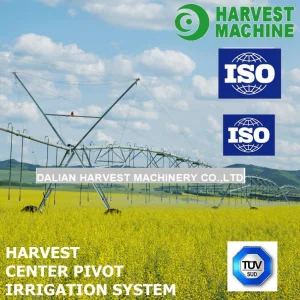
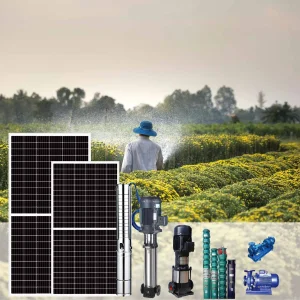
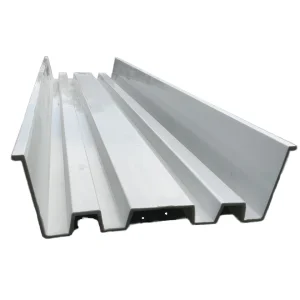
Standard farming arrays are highly prone to soil acidity and high moisture degradation. Zenvyra structures solar irrigation systems and vertical agricultural hydroponic solutions with food-grade PVC structural layouts, anti-corrosive hot-dip galvanized mounting configurations, and IP67 sealed junction boxes. Operating with dynamic Variable Frequency Drives (VFD), these units convert raw PV DC outputs directly into highly controllable variable-frequency AC currents, reducing mechanical wear on pump impellers by eliminating surge currents.
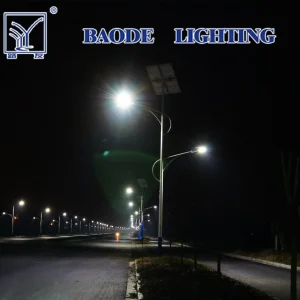
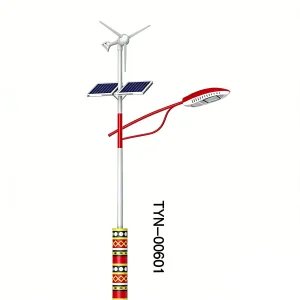
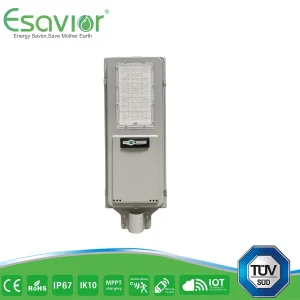
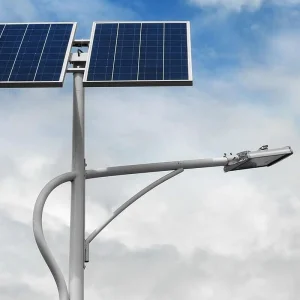
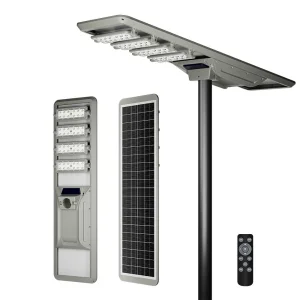
Governed environments demand continuous uptime. Zenvyra split and all-in-one smart LED lighting modules deploy multi-junction monocrystalline modules with smart MPPT (Maximum Power Point Tracking) controllers. Utilizing Microwave Radar sensors and automatic dimming protocols, standard municipal runtimes extend up to 5 successive rainy days. Integrated structural poles undergo comprehensive wind loading computations up to 45 m/s, protected by durable thermoset architectural powder-coating to counter marine salinity.
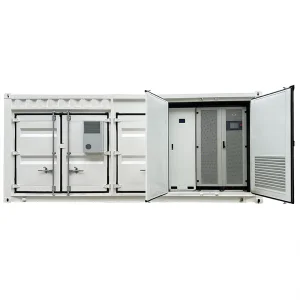
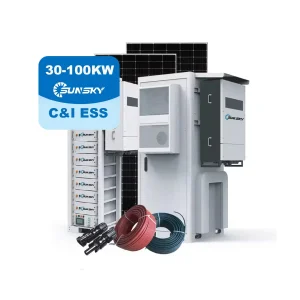
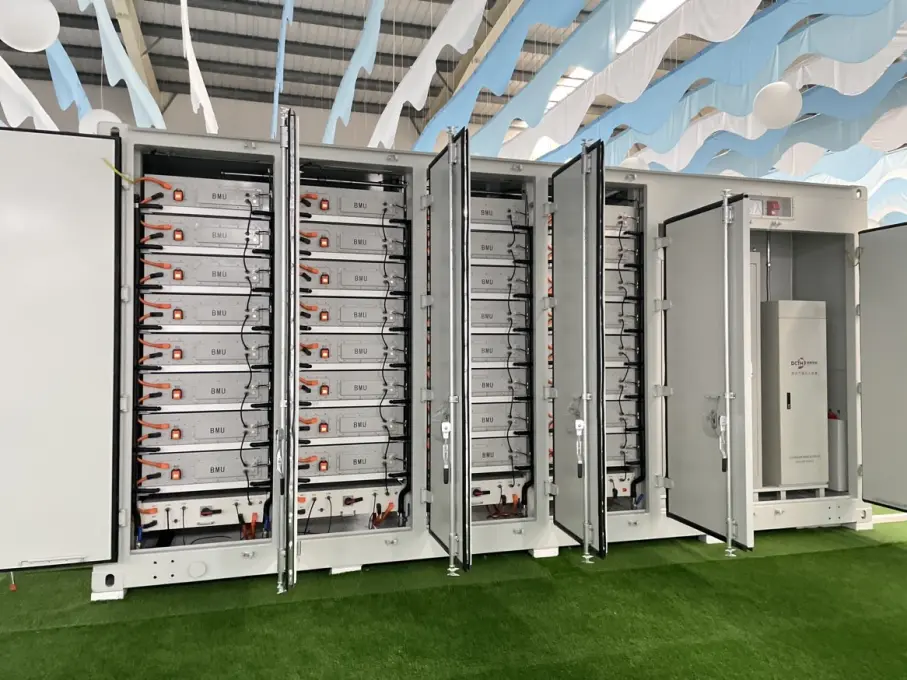
High capacity energy storage requires multi-tiered thermal safety protocols. Our 2MW to 5MWh containerized battery energy storage systems (BESS) integrate LFP chemistry under strict digital Battery Management Systems (BMS). Using active cell balancing and multi-point aerosol fire suppression mechanisms (Novec 1230 / FM200), thermal runaways are prevented before cell degradation occurs. This makes them ideal for peak shaving, frequency regulation, and microgrid stabilization.
Unmatched raw material vertical integration, strict QA automation, and high-efficiency logistic routes.
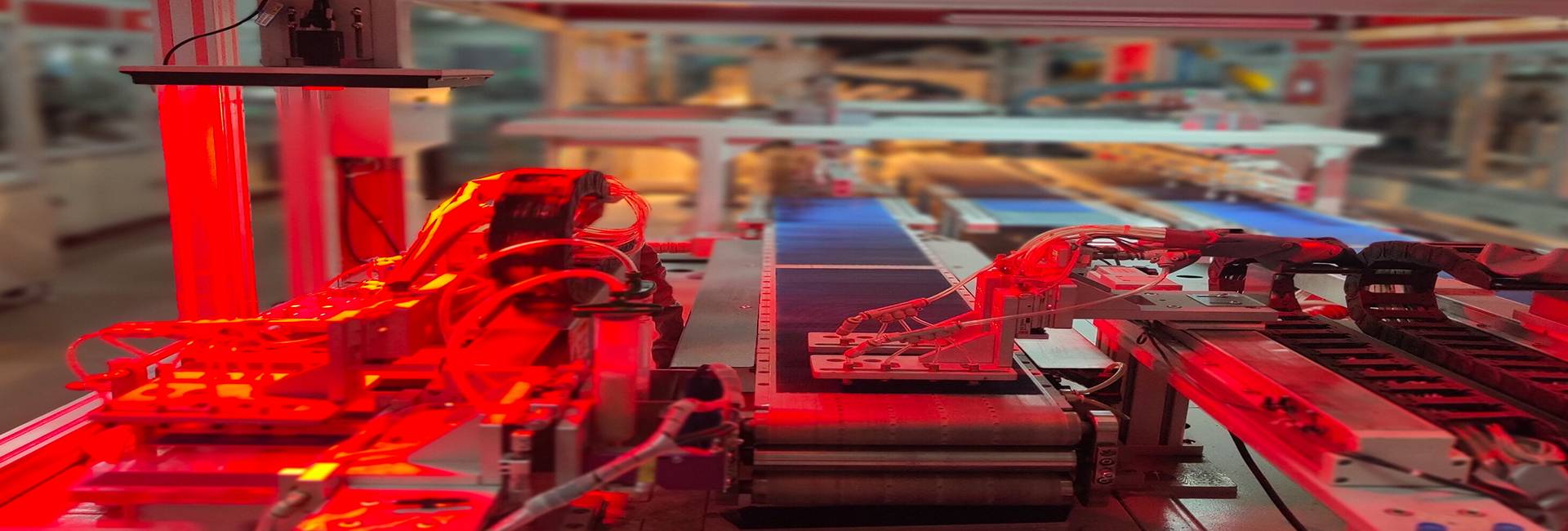
Operating directly out of Hangzhou’s premier manufacturing hub, Zenvyra leverages deep integration with local component supply chains. Our production floor uses robotic welding, automatic EL (Electroluminescence) testing machines, and precision thermal chamber simulators. Automated EL diagnostics identify micro-cracks invisible to the naked eye, weeding out substandard cells before lamination.
By coordinating directly with adjacent component partners, we maintain a robust supply chain network. Raw silicon wafers, specialized lithium cell components, custom extrusion profiles, and semiconductor chipsets are sourced directly from primary refineries, isolating our global clients from supply blockages and pricing shocks.
Zenvyra’s specialized engineering division translates complex project specs into deployable electrical drawings. Our service cycle spans:
We model local meteorological irradiance data and load requirements to size systems correctly, avoiding system collapse during low-light periods.
We design robust circuitry with built-in surge protection (SPD Type II/III), anti-islanding schemes, and high-performance inverter topologies.
We align component selection with regional grid-code standards (IEEE, CE, VDE, UL) to ensure frictionless utility interconnection.
Adapting next-generation photovoltaic architectures and AI energy flow controllers for decentralized grids.
The solar efficiency landscape is transitioning away from standard passivated emitter and rear cell (PERC) models. Our R&D division is scaling up Tunnel Oxide Passivated Contact (TOPCon) and Heterojunction (HJT) module architectures. By incorporating ultra-thin tunnel oxide layers, surface recombination losses are significantly reduced, boosting total module efficiency to over 25.5%. This provides developers with higher spatial power density and lower levelized cost of energy (LCOE).
Modern microgrids require smart load balancing. Zenvyra's upcoming hybrid inverters and BESS systems feature built-in cloud connectivity and edge analytics. By parsing localized weather feeds and historical load patterns, the system automatically optimizes battery state of charge (SoC). This allows it to store excess generation before storm fronts or dispatch power during high utility tariffs.
Ensuring compliance with local grid codes and international standards for smooth custom clearances.
Our entire line of inverters and BESS containers comply with standard international utility grid-connection policies and fire protection protocols.
Supported Grid Standards
UL 1741 IEEE 1547 VDE-AR-N 4105 CE-LVDImporting solar components and industrial battery installations involves navigating complex regulatory steps. Non-certified equipment can lead to customs seizures, denied grid access, or loss of insurance coverage.
At Zenvyra, we manage the certification process ahead of shipping. Every inverter and energy storage enclosure is marked with relevant certifications (CE, UN38.3, IEC 62619, IEC 62109). Additionally, we supply comprehensive document packs—including structural wind load analyses, dynamic solar path simulations, and thermal dissipation studies—to help speed up approval times from local building inspectors and utilities.
For larger EPC installations, we can also coordinate with regional field engineers to provide remote diagnostic support during commissioning, ensuring smooth handovers to end users.
Crucial engineering insights for procurement leads, EPC project coordinators, and development heads.
We use premium LiFePO4 chemistry with cell structures designed to deliver over 6,000 charge cycles at 80% Depth of Discharge (DoD) under standard temperatures (25°C). For hot climates, our thermal management systems use liquid cooling loops or high-airflow cooling systems. This design keeps internal cell temperatures within a safe 20°C to 35°C window, protecting the lithium anodes from rapid degradation and thermal runaway.
We support municipal bids with custom engineering documentation. This includes AutoCAD wiring diagrams, dialux calculations for streetlighting, wind resistance calculations, and mechanical drawings for custom mounting frames. We also assist with local regulatory compliance by matching product components with required certifications (e.g., UL, CE, TUV, EN).
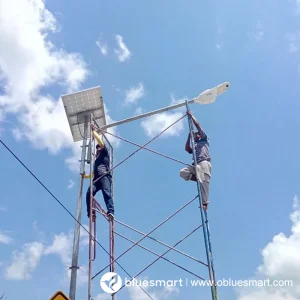
Split solar lighting layouts allow the solar panel to be angled independently from the LED fixture, maximizing sunlight collection in higher latitude regions. They also offer more flexibility when choosing batteries, as the battery enclosure can be buried underground to keep it cooler and prolong its operational life.
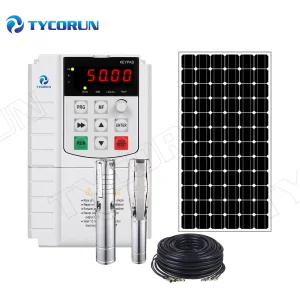
Our intelligent water pump inverters feature an automated MPPT tracking algorithm. When clouds temporarily reduce solar generation, the system does not shut down. Instead, the dynamic VFD reduces pump speed and motor frequency to match the available electrical power. Once sunlight returns, the system automatically ramps pump performance back up, ensuring reliable water output without drawing start-up current spikes that wear out the motor.
Reliable battery storage containers, vertical hydroponic systems, and complete home energy assemblies.
 Zenvyra