Explore our premium range of commercial and residential clean energy systems engineered for optimum reliability and high ROI.
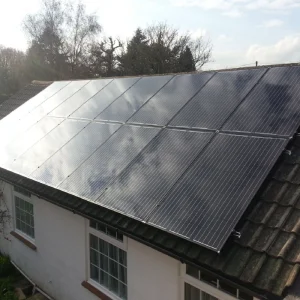
Analyzing key operational metrics, sustainability targets, and technological requirements across global commercial and industrial sectors.
Worldwide corporate efforts to comply with net-zero carbon initiatives have positioned sustainable heating, ventilation, and air conditioning (HVAC) as a cornerstone of green building certification (LEED, BREEAM). Traditional commercial chillers and air conditioners consume up to 40% of a building's total energy budget, making them prime targets for sustainable infrastructure upgrades.
By bypassing standard grid inversion and driving DC compressors directly through solar PV generation, our solar air conditioning systems reduce mid-day peak energy charges by up to 100%. For developers and industrial purchasers, this translates into structural OPEX predictability, insulation against rising retail power tariffs, and direct contributions to localized Scope 1 and Scope 2 emission reduction goals.
A comprehensive engineering breakdown comparing 100% DC Direct-Drive and AC/DC Hybrid solar HVAC topologies.
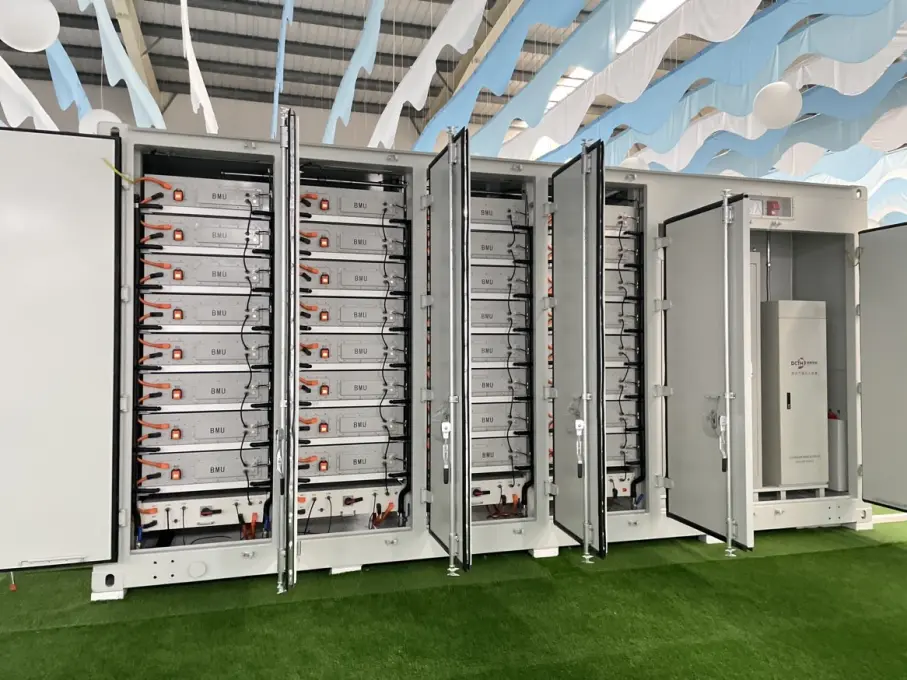
Engineered for telecommunications stations, remote mining camps, and off-grid residential installations. Operates natively on 48V DC power with no inverter required, drawing power directly from the PV array and lithium-iron-phosphate (LFP) battery banks.
Ideal for grid-tied commercial facilities. Features dynamic power blending, automatically prioritizing solar PV energy while seamlessly drawing top-up energy from the grid when solar irradiance dips, eliminating operation downtime.
Variable Refrigerant Flow (VRF) controlled by intelligent microprocessors continuously matches compressor speed with real-time thermal load and solar solar irradiance curves, achieving COP values exceeding 5.2.
| System Architecture | Primary Power Source | Auxiliary Input | Ideal Application Contexts | Inverter Required |
|---|---|---|---|---|
| Direct-Drive DC (48V/96V) | Solar PV (Direct DC) | LFP Battery Storage | Telecom sites, remote cabins, off-grid microgrids | No (Direct DC Operation) |
| AC/DC Auto-Hybrid | Solar PV (Priority) | Grid Utility (Single/3-Phase) | Urban offices, retail storefronts, classrooms | No (Dual-source design) |
| Commercial Multi-Split VRF | Solar PV Array | Industrial Microgrid/Generator | High-rise commercial properties, factories | Integrated Inverter Module |
How Hangzhou Zenvyra Solar Co., Ltd. delivers customized global energy solutions from design stage to final certification.
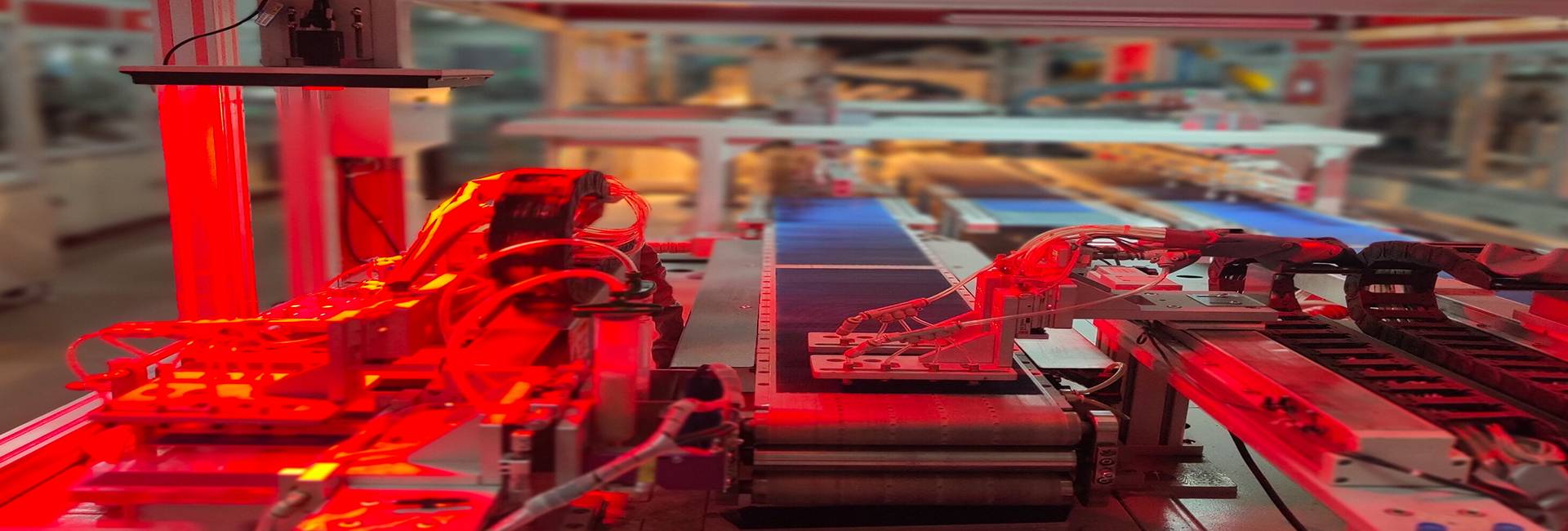
Hangzhou Zenvyra Solar Co., Ltd. is a forward-thinking manufacturer specializing in advanced solar power system solutions, with a strong focus on off-grid, hybrid, and customized energy applications. Based in Hangzhou, China, Zenvyra is dedicated to delivering reliable, efficient, and scalable solar technologies for global residential, commercial, and industrial markets.
With extensive experience in renewable energy engineering, the company provides a full range of solutions including off-grid solar systems for remote areas, hybrid energy systems for stable power supply, and tailor-made solar applications designed to meet specific project requirements. Zenvyra integrates high-performance components such as solar panels, intelligent inverters, and energy storage systems to ensure optimal efficiency and long-term durability.
Driven by innovation and sustainability, Hangzhou Zenvyra Solar Co., Ltd. continuously invests in research and development to improve system performance and adapt to evolving energy demands. Its products are widely used in rural electrification, smart infrastructure, agriculture, and commercial energy management projects. Committed to quality, the company follows strict manufacturing standards and offers comprehensive technical support, from system design to installation guidance.
From the initial technical design stages to final production runs, our team works closely with you to meet regulatory, technical, and branding requirements. We help you launch certified, highly efficient solar cooling systems tailored to your market's demands.
For B2B buyers looking to capture market share in high-growth sustainable HVAC segments, our OEM/ODM design process offers faster time-to-market. By integrating advanced DC variable frequency compressor technology directly with dedicated solar MPPT hardware, we eliminate common integration failures that often occur when combining off-the-shelf components from multiple suppliers.
Ensuring compliance with localized energy policies and regulatory frameworks in main global target markets.
Deploying solar air conditioning systems requires compliance with different mechanical, electrical, and grid connection rules around the world. As a reliable manufacturing partner, Hangzhou Zenvyra Solar Co., Ltd. ensures that all customized HVAC configurations conform to safety and efficiency guidelines in the target country:
In standard hybrid grid-tied HVAC designs, feeding power back into the grid can be complicated due to local net-metering regulations. Our hybrid controllers feature adjustable zero-export limiters, ensuring solar power is consumed entirely within the building's infrastructure. This prevents grid feedback issues and simplifies the utility approval process for commercial installations.
Answering common design and engineering questions from commercial buyers, engineers, and installers.
Our 100% DC solar air conditioning systems utilize a high-voltage brushless DC (BLDC) motor and compressor, designed to accept fluctuating DC voltage directly from the PV array. An internal controller manages the incoming power and performs MPPT tracking, optimizing motor speed to match solar generation. This bypasses the typical DC-AC conversion stage, eliminating inverter losses and reducing overall system complexity.
The system contains a dual-input power control module that monitors solar PV voltage and grid voltage simultaneously. Solar power is always prioritized. If solar output drops due to clouds or late afternoon shade, the system automatically draws the necessary power deficit from the AC grid line. This switch is seamless and does not interrupt cooling performance.
For installations near sea coasts or chemical plants, we offer customized corrosion protection. This includes golden/blue hydrophilic fin coatings on evaporators and condensers, anti-corrosive marine paints for the outer metal casing, stainless steel fasteners, and sealed electronic control boards to protect against moisture and salt spray.
Yes. We provide communication ports (such as Modbus RTU/TCP or BACnet) as part of our OEM/ODM design process. This allows central BMS platforms to monitor operating parameters, room temperatures, power source splits, and fault codes in real time.
The system compressor and cooling components have a design life of over 10-12 years, comparable to premium industrial HVAC systems. The solar PV modules have a linear performance guarantee of 25 years. Maintenance requirements are similar to standard AC units—primarily regular cleaning of air filters and visual inspections of electrical connections and solar arrays.
In 100% off-grid setups, the battery bank must be sized based on the cooling load needed during non-solar hours. For instance, cooling telecom equipment 24/7 requires a larger battery capacity compared to cooling an office building that is only occupied during daylight hours. Our engineering team helps calculate exact load profiles to prevent battery over-discharge while minimizing upfront equipment costs.
Broaden your microgrid capabilities with our range of high-efficiency utility-scale, industrial, and off-grid components.
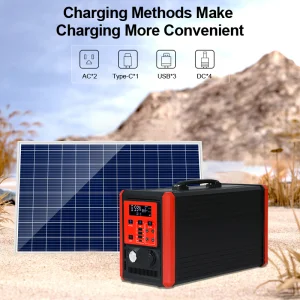
 Zenvyra