Direct from Tier-1 Specialized Manufacturing Facilities in China
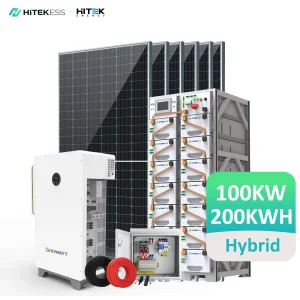
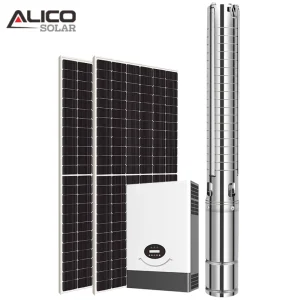
Hangzhou Zenvyra Solar Co., Ltd. is a forward-thinking manufacturer specializing in advanced solar power system solutions, with a strong focus on off-grid, hybrid, and customized energy applications. Based in Hangzhou, China, Zenvyra is dedicated to delivering reliable, efficient, and scalable solar technologies for global residential, commercial, and industrial markets.
With extensive experience in renewable energy engineering, the company provides a full range of solutions including off-grid solar systems for remote areas, hybrid energy systems for stable power supply, and tailor-made solar applications designed to meet specific project requirements. Zenvyra integrates high-performance components such as solar panels, intelligent inverters, and energy storage systems to ensure optimal efficiency and long-term durability.
Driven by innovation and sustainability, Hangzhou Zenvyra Solar Co., Ltd. continuously invests in research and development to improve system performance and adapt to evolving energy demands. Its products are widely used in rural electrification, smart infrastructure, agriculture, and commercial energy management projects.
Committed to quality, the company follows strict manufacturing standards and offers comprehensive technical support, from system design to installation guidance. As a trusted solar solutions provider, Zenvyra aims to empower customers worldwide with clean, renewable, and cost-effective energy alternatives.
How Modern Grid Technologies are Transforming Utility and Commercial Infrastructure
The global push for utility-scale solar generation hinges on decreasing the Levelized Cost of Energy (LCOE). Modern Chinese factories achieve this through larger cell formats (182mm and 210mm) and high-density packaging that boosts power ratings to 600W+ per panel.
As solar penetration rates climb, grid operators impose strict dispatchability rules. Hybrid On-Grid solutions integrated with BESS (Battery Energy Storage Systems) play a crucial role in peak-shaving, ramp-rate control, and frequency regulation.
String inverters with multi-MPPT designs and central inverters featuring active reactive power control are standardizing grid integration. Real-time telemetry monitoring and smart grid compatibility (UL 1741 SB / IEEE 1547) ensure compliance with local networks.
Architectures Tailored for Grid Resilience, Agri-PV, and Large-Scale Municipal Systems
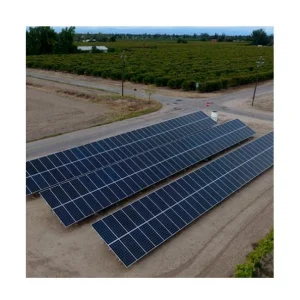
For megawatt-level installations, system reliability is directly tied to structural design and thermal management. Our factories provide holistic architectural engineering services covering:
Combining primary energy generation with daily utility operations creates unique performance profiles. We target these needs with high-performance localized packages:
Ensuring High-Yield Assets, Long-Term Reliability, and Local Regulatory Approval
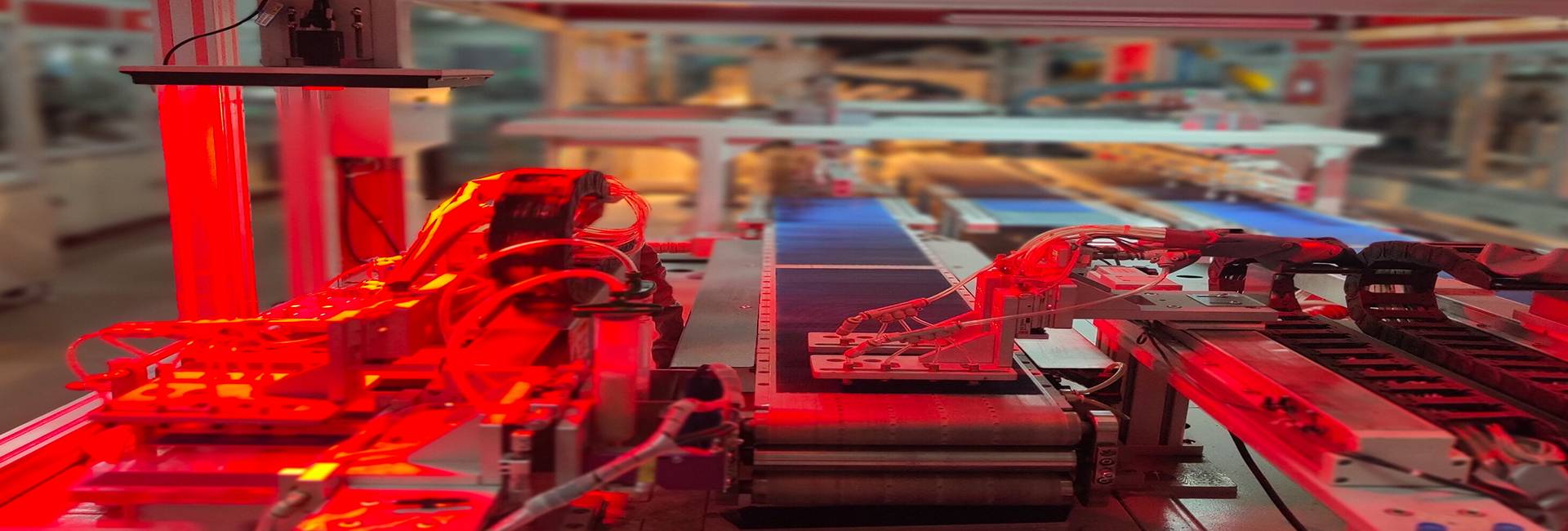
Procuring large-scale solar assets from China demands structural confidence. Commercial buyers, EPC contractors, and state-backed utility utilities require factories with strong QA frameworks. High-level automated assembly lines minimize micro-cracks in cells during stringing, ensuring long-term yield projections.
From initial design simulation to final delivery, Hangzhou Zenvyra Solar Co., Ltd. utilizes strict quality gates, tracing materials from polysilicon ingots to raw cell fabrication. This ensures that every containerized shipment of modules, structural mounts, or BESS enclosures complies with pre-shipment EL testing parameters.
Navigating global grid interconnection requirements requires extensive verification. Our manufacturing systems comply with leading regulatory standards:
Innovations in Photovoltaic Conversion, Energy Storage, and Smart Grid Operations
Transitions from p-type PERC to n-type architectures like Tunnel Oxide Passivated Contact (TOPCon) and Heterojunction (HJT) are elevating commercial module efficiencies past 22.5%. These new technologies offer lower temperature coefficients, meaning more power output in hot climates.
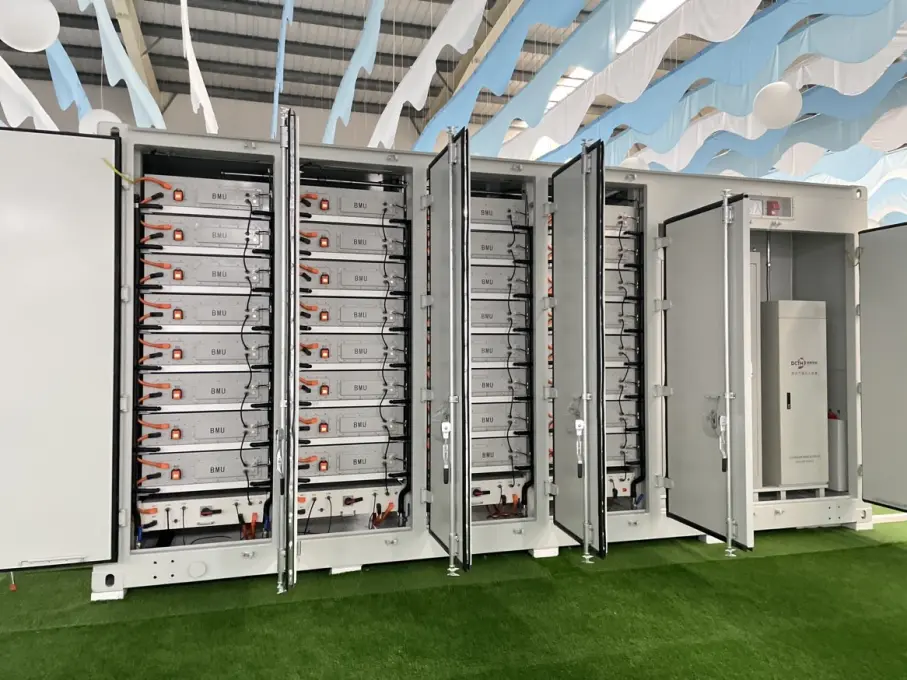
Modern BESS architectures are shifting from traditional air cooling to advanced liquid cooling configurations. Liquid cooling maintains cell temperature variance within ±2°C, extending overall battery lifespan by 20% and reducing internal energy usage.
Future on-grid systems will rely on grid-forming inverters. Unlike standard grid-following models, these advanced units establish voltage and frequency baselines, allowing high-penetration solar grids to operate reliably without traditional fossil-fuel backup plants.
Addressing Crucial Questions for Project Planners, System Integrators, and Utility Buyers
Liquid cooling systems provide far more consistent thermal management than air-cooled options. Because liquid is a much better conductor of heat, these systems keep temperature differences between cells within 2°C, which helps prevent uneven degradation. This improved thermal control also allows for higher-density layouts, meaning you can fit more energy storage into a smaller physical footprint. Additionally, they draw less power for cooling, leading to higher overall efficiency and a longer operational lifespan for the batteries.
Leading manufacturers work closely with global certification bodies like TÜV Rheinland, SGS, and Intertek to test and certify their products. Grid-interactive inverters are built on programmable DSP control platforms, allowing them to adapt to different regional standards (like IEEE 1547 or EN 50549) with simple software adjustments. They support important grid functions, such as low-voltage ride-through (LVRT) and active voltage regulation, to meet the specific requirements of various local utility networks.
Monocrystalline silicon cells are cut from single, high-purity crystals, which allows them to achieve higher energy conversion efficiencies (often over 22%) compared to polycrystalline alternatives (which average around 17-18%). They also perform better in hot and low-light conditions. While monocrystalline panels have a slightly higher upfront cost, their superior power density and long-term energy yield deliver a much better return on investment over the system's lifetime.
Modern containerized systems rely on a multi-layered safety design. The Battery Management System (BMS) continuously monitors cell voltage, current, and temperature, and can quickly isolate individual modules if any issues are detected. The enclosures are equipped with sensitive gas sensors that can spot early warning signs of thermal runaway before any visible smoke or fire appears. Additionally, they feature built-in fire suppression systems (using clean agents like Novec 1230 or water mist) and explosion relief vents to prevent pressure buildup.
Complete Engineering Hardware and Tailored Modular Sub-Systems
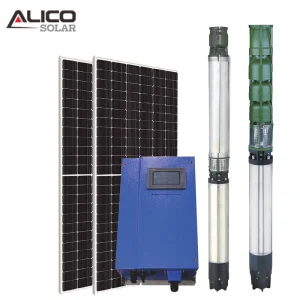
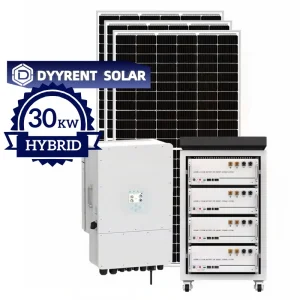
 Zenvyra