What Happens to Solar Power at Night 5 Tips to Know?

Time:2026-11-18 Author:Mason
0%

When daylight fades, solar panels do not keep producing electricity from darkness. So, what happens to solar power at night? The answer depends on where the energy goes during sunny hours. A home may draw from a battery, use electricity from the grid, or rely on both. No battery? The panels’ daytime output cannot simply wait inside the system.

NREL solar analyst Dr. Robert Margolis studies solar energy markets and deployment. A useful paraphrase of the practical issue is: “Panels produce in sunlight; stored energy or the grid serves demand after dark.” This is a summary, not a verified verbatim quotation. It points to an important distinction: panels generate power, while batteries store it. At night, a battery can supply a home, but its capacity and charge level matter. A refrigerator may keep humming; several high-demand appliances can drain storage faster than expected.

There’s no single setup. Grid-connected systems can draw power from the utility when solar production stops, subject to local plans and equipment. Off-grid homes need enough stored energy and careful demand management. Even battery owners may use grid power on cloudy days or during long winter nights. Details matter. This guide’s five tips will explain nighttime solar output, battery storage, grid connections, and what to check on a real electricity bill. One caveat: estimates can be imperfect, because weather, household use, and system settings all change the result.
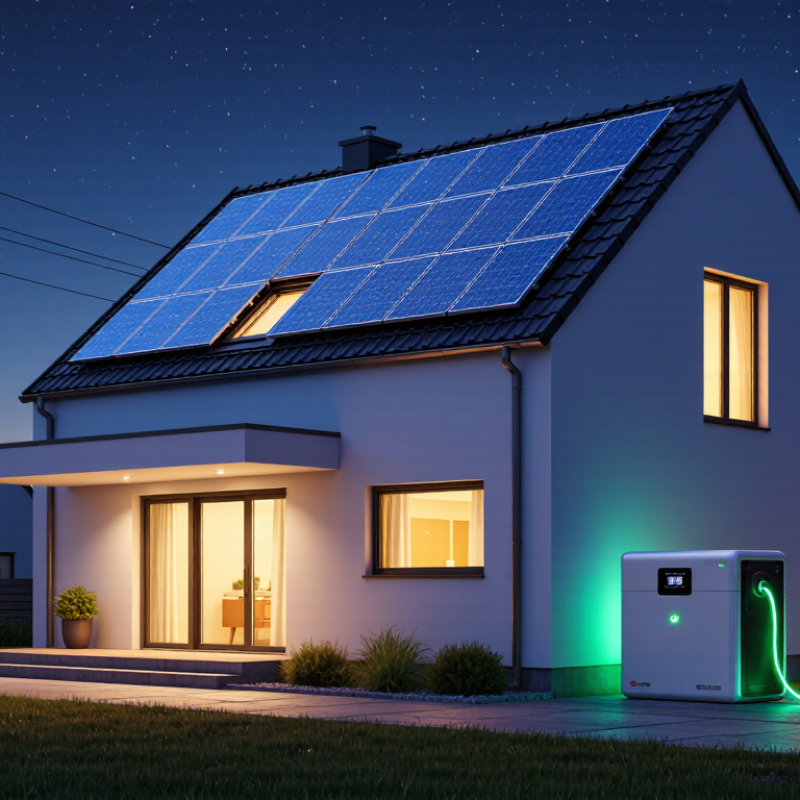
What Happens to Solar Power at Night 5 Tips to Know?

How Photovoltaic Panels Stop Producing Power After Sunset

Photovoltaic panels need light to generate electricity. After sunset, the sunlight that drives their cells disappears, so power production falls to nearly zero. Moonlight and streetlights are far too weak to provide useful household electricity. The panels are not broken; they are simply receiving too little energy. Night has arrived.

An inverter usually stops converting power when the panels’ output drops below its operating threshold. This is normal, and it helps the system operate safely. At dawn, production starts again as daylight reaches the cells, though clouds, shade, panel angle, and season affect how quickly output rises. A grey morning can delay the increase. Monitoring screens may show zero overnight, which is expected—not proof of a fault.

Here are five practical details to know: panels do not store daytime electricity; a battery can store some for later use; without a battery, a grid-connected home may draw power from the utility at night; backup availability depends on system design; and battery capacity affects how long stored energy lasts. Check your system’s monitoring history before worrying about one low-output day. I once thought a flat nighttime graph looked alarming, but it was the ordinary pattern. Still, unusual daytime drops deserve a closer look.

How Grid-Tied Homes Draw Electricity When Solar Output Falls

When sunlight fades, a grid-tied home does not usually run on stored solar power. Unless it has a battery, its panels simply produce less or no electricity after dark. The home then draws power through its utility connection, much like a house without solar. A meter records energy flowing in either direction, though billing rules vary by location. Daytime solar may offset some evening use through credits, but the details depend on the local utility plan. It is easy to assume those credits work like a personal battery. They do not.

Tips: Check your electricity bill for imported and exported energy. Review your utility’s credit rules before estimating savings. If backup power matters, ask a qualified installer whether a battery suits your needs.

One practical detail: a refrigerator, router, and a few lights keep drawing power at night, even when the panels are quiet. Without a battery, grid electricity supplies them. During a grid outage, most standard grid-tied systems shut down automatically to protect utility workers. That can surprise new owners. A battery system designed for backup may keep selected circuits running, but its capacity is limited. A clear picture of evening use helps set realistic expectations.

How Batteries Store Daytime Solar for Evening Use

When sunlight is strong, solar panels may produce more electricity than a home is using. A battery can store some of that surplus for evening hours. In many systems, a charge controller and inverter manage the flow: electricity is converted into a form the battery can store, then changed back for household use. The exact setup varies.

Capacity matters. A battery rated at 10 kilowatt-hours may not provide all 10 usable kilowatt-hours, because systems reserve some energy and lose a little during conversion. A refrigerator, lights, and a few small devices might run for hours; electric heating or cooking can drain storage much faster. That takes planning. Check usable capacity, power limits, and which circuits the system can support.

At sunset, the system usually draws from stored energy when panels stop producing enough. If the battery empties, the home may use grid electricity, if available. During an outage, backup power depends on the system’s design; ordinary grid-connected solar may shut down for safety unless configured to operate independently. Not perfectly. Cold weather, battery age, and cloudy days can also affect results, so review actual energy use rather than relying only on advertised capacity. A small daily log can reveal whether evening demand fits the battery you have.

Why the DOE Defines Long-Duration Energy Storage as 10+ Hours

When solar panels stop producing after sunset, stored electricity can carry some daytime energy into the evening. The key question is how long storage can deliver power, not just how much it can hold. The U.S. Department of Energy defines long-duration energy storage as systems providing 10 or more hours of continuous discharge. That threshold appears in its Long Duration Storage Shot and Pathways to Commercial Liftoff report.

The distinction is practical. A 1-megawatt system designed for 10 hours can supply up to 10 megawatt-hours before losses, assuming full charge and steady output. The DOE’s Storage Shot targets a 90% reduction in long-duration storage costs by 2030, against a 2020 baseline. That target reflects the challenge of storing midday solar for evening peaks, overnight demand, or longer cloudy periods. Not a magic line. Ten hours is a useful planning category, not a universal engineering boundary; local weather, grid demand, and transmission all affect what duration is valuable. And storage shifts electricity through time—it does not create extra energy, so charging losses matter.

What Happens to Solar Power at Night? 5 Tips to Know — Why the DOE Defines Long-Duration Energy Storage as 10+ Hours
Tip What Happens Useful Data or Calculation What to Check
1. Solar panels need sunlight Solar photovoltaic panels generate electricity from available sunlight. At night, when sunlight is absent, their direct solar output is generally zero. Nighttime solar-panel output: generally 0 kW without sunlight. Actual output during daylight varies with conditions such as shading, weather, and panel orientation. Do not assume panels alone will power nighttime loads. Identify whether electricity will come from storage, the grid, or another source.
2. Batteries can shift solar energy to evening use A battery can store some electricity generated earlier and discharge it later. Energy lost during charging and discharging means the energy supplied is less than the energy put in. Illustrative example: A 5 kW load running for 8 hours uses 40 kWh. A storage system needs enough usable stored energy to cover that demand, with additional capacity allowed for system losses and operating limits. Compare usable battery capacity in kWh with the expected nighttime energy use—not just the battery’s power rating in kW.
3. Know what “10+ hours” means The U.S. Department of Energy uses a 10-hour-or-longer discharge duration as a defining threshold for long-duration energy storage (LDES). Illustrative calculation: A system delivering 10 MW for 10 hours supplies 100 MWh. Duration is calculated as energy capacity divided by discharge power. LDES describes storage duration; it does not by itself guarantee that a system can meet a particular home’s or building’s overnight demand.
4. Grid-connected solar may use grid electricity at night When a grid-connected solar system has no stored energy available, nighttime electricity can come from the electric grid, subject to the system’s configuration and local rules. Grid imports, exports, and any bill credits depend on the meter setup, utility tariff, and applicable regulations; exported daytime electricity is not necessarily physically stored for the same customer. Check the interconnection arrangement, billing rules, and whether backup power is available during a grid outage.
5. Plan for more than an average night Nighttime demand changes by season and household or building use. Several cloudy days can also reduce the solar energy available to recharge storage. Estimate energy use by time of day in kWh, peak demand in kW, and the number of hours or days of backup required. These are separate planning measures. Review seasonal demand, critical loads, recharge opportunities, and backup needs. A 10-hour storage duration is a useful classification threshold, not a universal sizing recommendation.

How Net Metering Rules Affect the Value of Unused Solar Power

After sunset, rooftop panels produce no electricity, so the value of daytime surplus depends on the utility’s net metering rules.

With one-for-one retail credits, exporting 1 kilowatt-hour may offset 1 kilowatt-hour bought later. Other tariffs credit exports at a lower rate, often tied to wholesale or avoided-cost prices. Some credits expire or are settled only once a year.

The details bite. Check your tariff’s export rate, rollover period, and monthly fixed charges before estimating savings.

The U.S. Energy Information Administration’s Electric Power Annual reports about 74 billion kilowatt-hours of small-scale solar generation in 2023. That figure is not the amount exported: households use some power as it is produced, and only surplus reaches the grid.

A practical check is to compare your utility bill’s credited exports with your evening imports, rather than relying on total panel output. One catch: rules can vary by utility and may change for new customers, so a neighbor’s bill may not predict yours. I would not treat a projected credit as guaranteed cash; the tariff’s fine print matters.

FAQS

Why do solar panels stop producing electricity after sunset?

They need sunlight to generate useful power. Moonlight and streetlights are too weak for household electricity. That is normal.

Does a zero reading overnight mean my panels are broken?

Usually not. The inverter may stop converting power when panel output falls below its operating threshold. Check daytime readings too.

When does power production start again?

Production resumes as daylight reaches the panels. Clouds, shade, season, and panel angle can slow the morning increase. Grey mornings count.

Can panels save daytime electricity for use at night?

Panels do not store electricity themselves. A battery can store some daytime power, but its capacity affects how long it lasts.

What happens if my home has no battery?

A grid-connected home may draw electricity from the utility at night. Backup power depends on the system’s design.

How does net metering affect the value of extra daytime power?

Your utility’s tariff determines how exports are credited. Some plans offer one-for-one credits; others pay less than the retail rate. Check the details.

Which net metering details should I check on my bill?

Look for the export rate, credit rollover period, and monthly fixed charges. Credits may expire or be settled once a year. Fine print matters.

Can my neighbor’s solar bill predict my savings?

Not reliably. Utility rules can differ and may change for new customers. I would not treat projected credits as guaranteed cash.

What should I compare when reviewing my electricity bill?

Compare credited exports with evening imports. Total panel output is not the same as exported power, since your home uses some electricity as it is produced.

Conclusion

What happens to solar power at night? Photovoltaic panels stop generating electricity when sunlight fades, so a solar-powered home may need another source of energy after sunset. In a grid-tied home, electricity can flow from the utility grid when household demand exceeds current solar production. During daylight, extra electricity may be sent to the grid, depending on the system and local net metering rules. Those rules determine how unused solar power is credited and can affect the financial value of a home’s daytime surplus.

A battery can store some of that surplus for use in the evening, helping reduce reliance on grid electricity. Storage capacity and how quickly a battery charges or discharges shape how much power is available overnight. The U.S. Department of Energy defines long-duration energy storage as storage that can provide electricity for 10 or more hours. Understanding these options helps explain how solar homes manage the gap between daytime generation and nighttime demand.

Mason

Mason

Mason is a seasoned marketing professional with a deep expertise in the company's offerings and a passion for driving brand awareness. With a strong background in digital marketing strategies, he has an innate ability to connect with diverse audiences and effectively communicate product benefits.......