When exploring the question, "can solar systems work during power outages," it’s essential to understand the nuances involved. Solar energy systems can offer a reliable backup during outages if they are designed properly. Most solar installations do not provide power when the grid goes down to ensure safety. However, those equipped with battery storage can continue to power essential devices.
Understanding solar technology is crucial for homeowners. A grid-tied system alone will shut down during an outage. A hybrid system with battery backup enables energy access, even while the grid is down. This adaptability can prevent losses during extreme weather.
Investing in such systems may come with challenges, including higher initial costs and maintenance needs. Homeowners need to weigh these factors carefully. The varying performance of solar power during outages highlights the importance of informed decision-making. By educating ourselves on solar energy's capabilities, we can better prepare for unforeseen disruptions.
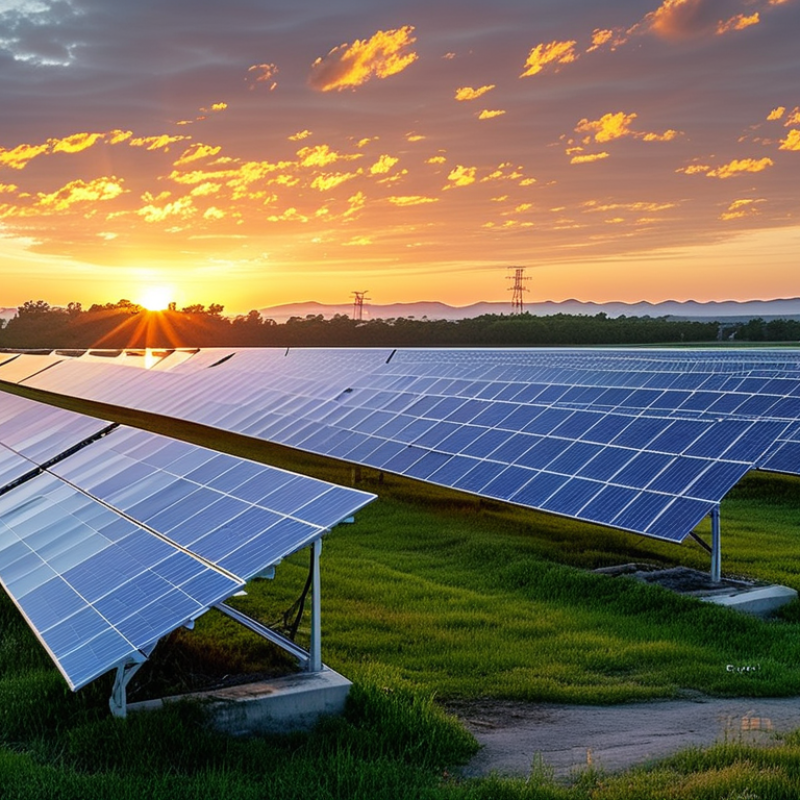
Solar systems offer a reliable backup power source during outages. With the ability to harness sunlight, these systems can keep essential appliances running even when the grid is down. According to the Solar Energy Industries Association, over 3 million homes in the U.S. have solar installations. This growing trend showcases the increasing reliance on solar energy for everyday needs.
When a power outage occurs, solar systems equipped with battery storage can provide immediate power. Homeowners can draw energy stored during the day, ensuring critical devices remain functional. A 2021 report estimated that homes with solar-plus-storage could maintain power for 12 to 20 hours, depending on the battery capacity. This capability is becoming vital as extreme weather events lead to more frequent outages.
However, not all solar systems are designed for backup. Many homes lack the necessary battery storage. In these cases, the system will not operate during an outage. This limitation raises questions about preparedness. Ensuring a solar setup includes battery storage isn’t just an afterthought; it requires careful planning and awareness of local conditions. The solutions are available, but execution can be flawed. Understanding these nuances is essential for effective energy management.
During a power outage, many rely on solar energy systems to keep their homes running. Batteries play a crucial role in this scenario. They store excess solar energy generated during the day, allowing users to access power even when the grid goes down. This capability can be a lifesaver in emergencies. Understanding how batteries function within these systems can help homeowners maximize their benefits.
Batteries vary in technology and capacity. Lithium-ion batteries are popular for their efficiency and longevity. They can discharge energy quickly to power essential appliances. However, it's important to assess your energy needs. Too few batteries may not sustain your home during extended outages. Overestimating your requirements can lead to unnecessary expenses.
Tips: When selecting batteries, consider the size of your household and the types of devices you need to power. Regular maintenance will ensure long battery life. Monitoring your solar system’s energy production can help you adjust usage accordingly. By doing so, you'll make more informed decisions about your power needs.
| Battery Type | Capacity (kWh) | Cycle Life (Cycles) | Average Cost ($) | Ideal Usage |
|---|---|---|---|---|
| Lead Acid | 10 | 500 | $200 | Backup Power |
| Lithium-ion | 13 | 3000 | $500 | Home Energy Storage |
| Nickel Cadmium | 12 | 1500 | $400 | Industrial Use |
| Flow Batteries | 20 | 10000 | $700 | Grid Storage |
When it comes to solar systems, one key distinction arises: on-grid versus off-grid. On-grid systems rely on the utility grid for power. When an outage occurs, these systems automatically shut down for safety reasons. Without grid power, they cannot function. This fact leaves users vulnerable during storms or blackouts.
Off-grid solar systems operate independently. They store energy in batteries, ensuring power availability even during outages. These systems are designed for self-sufficiency. Users often experience greater reliability. However, the initial investment is usually higher. Maintenance can be more complex too, as battery management requires expertise.
Deciding between these options requires careful consideration. Some may prefer the ease of on-grid systems. Others might value the independence of off-grid solutions. It all comes down to individual energy needs and local conditions. Reflecting on what works best for your situation is crucial.
Solar systems can still function during power outages, a vital feature for many homeowners. The key lies in the solar inverter technology. Inverters convert the direct current from solar panels into alternating current for home use. Some inverters possess the capability to operate in "island mode." This means they can separate from the grid during emergencies, supplying power independently. This functionality is crucial when the primary power source is unavailable.
However, not all inverters are created equal. It's essential to evaluate their performance in real-world conditions. Inverter efficiency, battery compatibility, and load management capabilities play significant roles. Homeowners should consider how long they need power during an outage. A robust system can handle basic appliances like refrigerators and lights, while more extensive setups can provide energy for HVAC systems.
Reliability is another critical factor. Some inverters may require manual setups during an outage. Users need to understand how to switch to this mode effectively. Regular maintenance and updates ensure optimal performance. Solar technology evolves rapidly. Keeping abreast of advancements helps users benefit from the latest innovations.
In regions prone to power outages, solar systems can provide critical support. For example, a study by the
National Renewable Energy Laboratory (NREL) found that homes equipped with solar panels and storage batteries can maintain energy access during blackouts.
These systems often rely on battery storage, which empowers households to use solar energy, even when the grid is down.
A notable case involves a residential community in California. During a wildfire-related outage, homes with
solar-plus-storage systems successfully maintained power. These systems allowed residents to run essential appliances, such as refrigerators and medical devices. According to
California’s Energy Commission, approximately
25% of homes with solar installed battery storage, enhancing their resilience during outages.
However, solar systems have limitations. Not all solar setups can operate without grid connection. Some require a special inverter to enable off-grid functionality. Moreover, battery capacity is often not enough for prolonged outages, leaving residents needing to adapt. In many instances, planning for potential outages with sufficient storage remains an area for improvement.
Clearly, while solar energy offers numerous benefits, its effectiveness during blackouts hinges on careful consideration of system capabilities and limitations.
: Batteries store excess solar energy, allowing access to power when the grid fails. This can be crucial in emergencies.
Assess energy needs first. Consider household size and device types. Too few batteries may not sustain power during long outages.
Maintenance ensures long battery life and optimal performance. Neglecting it can lead to reduced capacity and reliability.
Island mode allows inverters to supply power independently during outages. This feature is essential for uninterrupted energy access.
No, inverter performance varies. Factors like efficiency and battery compatibility are critical for effective energy management.
Use monitoring tools to track energy output. This helps adjust usage and make informed decisions about power needs.
Consider the appliances you need to power. Robust systems can support basics, but complex setups can handle more demanding devices.
Regular updates ensure optimal performance and access to the latest innovations. This can enhance energy reliability and efficiency.
Some inverters require manual setup during outages. Users must understand how to switch modes effectively to ensure power supply.
Overestimating can lead to unnecessary expenses. It's vital to accurately assess what energy your home needs during outages.
Solar systems can effectively work during power outages, providing critical backup power to homes and businesses. This capability primarily hinges on the system's integration with batteries, which store excess energy generated during sunny days for use when the grid fails. By comparing on-grid and off-grid solar system functions, we understand that off-grid systems are designed to operate independently, making them particularly resilient during outages.
Additionally, the technology behind solar inverters plays a crucial role in outage resilience. These devices help manage energy flow and ensure that stored energy is available when needed. Real-world case studies demonstrate the reliability of solar systems during power outages, showcasing how they can not only maintain essential functions but also contribute to greater energy independence. Overall, understanding how solar systems work during outages highlights their importance in enhancing energy security for users.

Zenvyra