How Long Do Solar Systems Last and How to Extend Life?

Time:2026-10-08 Author:Amelia
0%

When homeowners ask, “how long do solar systems last,” the answer is rarely a single number. A well-installed photovoltaic system can produce useful electricity for 25 to 35 years. Some panels continue operating beyond that period, although their output gradually declines. The inverter may need replacement sooner, often after 10 to 15 years. Batteries usually have different lifespans, depending on chemistry, temperature, and daily cycling.

NREL researcher Dirk C. Jordan reported, “The median degradation rate found in our study was 0.5% per year.” This means a panel may still deliver about 88% of its original output after 25 years. Real results vary. Dust, salt air, hail, heat, poor ventilation, and loose connections can reduce performance faster. Small details matter. A shaded corner can affect an entire string. A warm inverter room can shorten equipment life.

Maintenance does not require constant attention. Keep panels reasonably clean, inspect visible wiring, and review annual production data. Compare today’s output with the installation’s first-year records. A sudden drop deserves professional testing. Do not ignore warning lights.

There is also room for doubt. Manufacturer warranties are useful, but they do not guarantee perfect production every year. Installation quality often matters as much as panel quality. Choosing certified equipment, allowing airflow beneath modules, and replacing aging inverters can extend system value. This guide examines realistic service lives, common failure points, maintenance habits, and practical upgrades for keeping solar power productive longer.
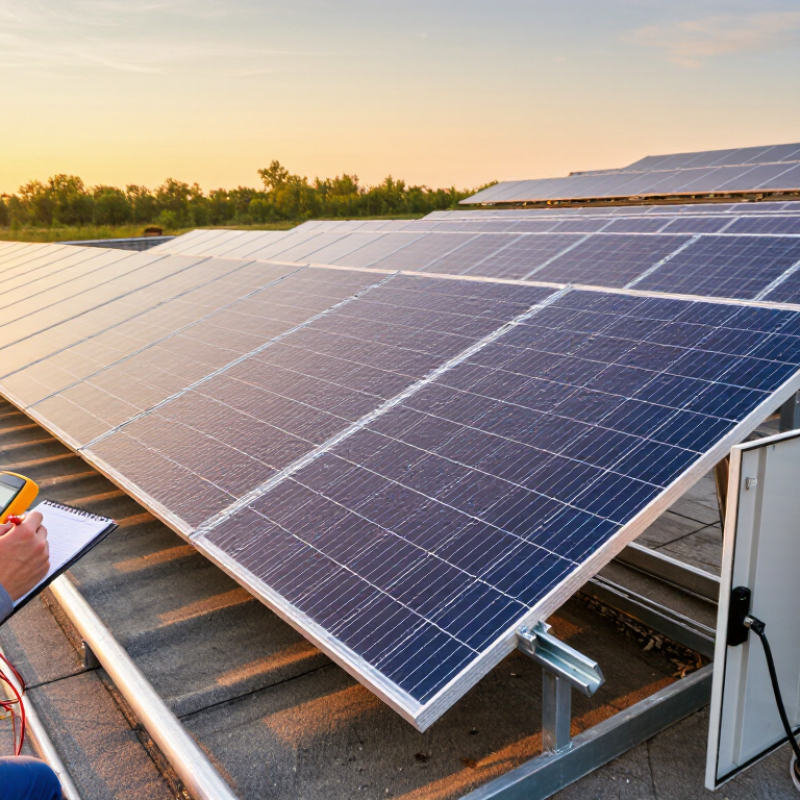
How Long Do Solar Systems Last and How to Extend Life?

What Determines the Lifespan of a Solar Energy System

A solar energy system does not have one fixed lifespan. Its panels commonly produce electricity for 25 to 30 years, although output gradually declines. Many panels lose about 0.3% to 0.8% of their capacity each year. Inverters usually require replacement sooner, often after 10 to 15 years. Batteries may last 8 to 15 years, depending on chemistry, temperature, charging patterns, and daily cycling.

Installation quality strongly affects every component. Panels exposed to extreme heat, heavy snow, salt air, or repeated high winds can age faster. Poor drainage may allow moisture into electrical connections. Small roof leaks can also create serious repair costs. A professional installer should assess roof condition, structural loads, cable routing, ventilation, and local weather before installation. Correct system sizing matters too. An undersized battery may cycle heavily, while an oversized system can operate inefficiently.

Maintenance is usually simple, but ignoring it is costly. Keep panels clear of thick dirt, leaves, and bird droppings. Check monitoring data for sudden production drops. Inspect visible cables and mounting areas after severe storms. Do not open energized equipment without proper training. Safety matters.

Even careful owners miss subtle warning signs. A quiet inverter may still hide overheating. Annual professional inspections are sensible, though inspection schedules vary by system design. Manufacturer specifications and local electrical codes should guide decisions. Estimates remain imperfect because climate, usage, and installation details differ widely. A system treated as permanent may age sooner than expected.

How Long Each Solar System Component Typically Lasts

Solar panels commonly produce useful electricity for 25 to 35 years. Their output gradually declines, rather than stopping suddenly. After three decades, many panels still work, but at reduced efficiency. Heat, hail, salt air, and poor ventilation can accelerate aging. During inspections, browning, cracked glass, or loose frames deserve prompt attention. A clean surface helps, but aggressive cleaning can damage seals.

The inverter usually has a shorter service life, often 10 to 15 years. It manages power conversion and may show warning lights before failure. Battery storage commonly lasts 8 to 15 years, depending on chemistry, temperature, and cycling depth. Frequent deep discharges can shorten that range. Cables, connectors, and mounting hardware may last 20 to 30 years when installed correctly. Water entry changes the picture quickly. Monitoring equipment may need replacement sooner, especially after software support ends. This is easy to overlook.

Extending system life requires measured maintenance, not constant intervention. Keep panels clear of leaves, check fasteners, and inspect cables annually. Maintain airflow around inverters and follow the battery maker’s temperature limits. A qualified technician should test insulation, grounding, and performance trends. Do not wait for a total shutdown. Small output losses can reveal developing faults. These estimates are not guarantees; local weather and installation quality matter greatly. Replacement schedules can seem too tidy. Real systems age unevenly, and one neglected connector can decide the repair bill.

How Long Do Solar Systems Last and How to Extend Life? — Typical Lifespan of Each Solar System Component
Solar System Component Typical Service Life Common Aging or Failure Factors Maintenance and Life-Extension Practices Replacement Indicators
Photovoltaic (PV) Modules 25–35 years Gradual power degradation, ultraviolet exposure, thermal cycling, moisture ingress, hail, wind and mechanical stress. Keep modules free from persistent dirt and shading, inspect for cracks or delamination, maintain proper drainage, and avoid walking on the module surface. Significant output loss, visible cracks, delamination, hot spots, burn marks or water intrusion.
String or Central Inverter 10–15 years Heat, humidity, dust, electrical surges, fan wear and repeated high-load operation. Provide adequate ventilation and shade where appropriate, keep air inlets clear, inspect connections, and use properly coordinated surge protection. Frequent fault codes, unexpected shutdowns, abnormal noise, overheating or sustained energy-conversion losses.
Microinverters 15–25 years Roof-level heat, moisture, voltage surges and long-term exposure to outdoor conditions. Ensure secure installation, protect wiring from standing water and abrasion, monitor module-level performance, and address faults promptly. Repeated module-level outages, communication failures, overheating or a persistent reduction in energy production.
Lithium-Ion Battery Storage 10–15 years High temperature, excessive depth of discharge, frequent high-power cycling and prolonged operation at full or empty charge. Keep the battery within the specified temperature range, use the battery management system, avoid unnecessary deep discharges, and follow recommended charge limits. Reduced usable capacity, shorter backup duration, excessive heating, swelling or repeated battery-management alarms.
Lead-Acid Battery Storage 3–7 years Overcharging, deep discharge, high temperature, low electrolyte levels and sulfation. Use correct charging settings, maintain ventilation, prevent deep discharges, inspect terminals, and check electrolyte levels when required by the battery type. Low capacity, slow charging, excessive gassing, corrosion, leakage or inability to hold charge.
Mounting Rails and Roof Racking 25–40 years Corrosion, wind loading, snow loading, water accumulation, loose fasteners and roof movement. Use corrosion-resistant hardware, inspect fasteners and seals, keep drainage paths clear, and check the system after severe weather. Rust, cracked components, loose clamps, movement, deformed rails or water intrusion around attachment points.
DC and AC Electrical Wiring 25–40 years Ultraviolet exposure, heat, moisture, rodents, abrasion, loose terminations and improper cable sizing. Use outdoor-rated cable, secure conductors away from sharp edges, protect wiring from sunlight and animals, and inspect connectors for heat damage. Cracked insulation, discoloration, melted connectors, exposed conductors, arcing or repeated electrical faults.
Connectors and Junction Boxes 20–30 years Moisture ingress, incompatible mating connectors, thermal cycling, corrosion and poor crimping. Use matching connector types, ensure complete engagement, avoid unnecessary disconnection, and inspect for water or heat damage. Loose connections, discoloration, corrosion, moisture inside the enclosure or intermittent system operation.
Charge Controller 10–15 years Heat, dust, voltage surges, excessive current and incorrect charging settings. Install in a dry, ventilated location, keep terminals tight, maintain correct system settings, and prevent overloads. Incorrect charging behavior, display or communication failure, overheating or recurring protective shutdowns.
Combiner Boxes and Disconnects 20–30 years Moisture, corrosion, high fault current, loose terminals and degraded seals. Keep enclosures closed and dry, inspect fuses and terminals, test disconnect operation, and maintain suitable surge protection. Burn marks, corrosion, failed switches, blown fuses without an obvious cause or water inside the enclosure.
System Monitoring Equipment 10–15 years Outdated communications hardware, software incompatibility, heat, moisture and power-supply failure. Keep firmware and software current, protect communications equipment from moisture, review performance alerts and retain historical production data. Persistent data gaps, inaccurate readings, loss of communication or inability to support current monitoring platforms.
Grounding and Bonding Components 20–40 years Corrosion, loose connections, mechanical damage and changes to the surrounding electrical installation. Inspect bonding points, keep grounding paths continuous, check for corrosion, and arrange periodic electrical testing by a qualified professional. Broken conductors, corrosion, loose bonding points or failed continuity and resistance tests.

Note: Actual service life depends on climate, installation quality, operating temperature, maintenance, cycling frequency and compliance with electrical and structural requirements. Electrical inspections should be performed by qualified professionals.

Warning Signs of Aging and Performance Loss

Solar panels often perform for 25 to 30 years, but aging rarely appears overnight. Small changes usually arrive first.

Watch your monitoring data. A steady drop in daily output can signal panel degradation, inverter trouble, shading, or a loose connection. Compare similar sunny days, not cloudy afternoons. Dust may look harmless, yet heavy buildup can reduce production noticeably. Cracked glass, yellowing backsheets, dark cell marks, and loose cables deserve prompt attention.

Some signs are easy to miss. An inverter that repeatedly shuts down may indicate overheating or an electrical fault. Hot spots can develop beneath damaged cells and create uneven heat across the panel surface. Do not touch damaged equipment. A qualified solar technician should inspect it safely.

Regular maintenance extends useful life. Keep vents clear and remove leaves near ground-mounted panels. Have connections, mounting hardware, and insulation checked periodically. Professional testing can identify declining insulation resistance before it becomes dangerous. Review your system’s annual output rather than trusting one unusually strong month.

I once assumed lower output always meant dirty panels. That assumption was wrong. Seasonal sunlight, new shadows, and aging components can overlap. Keep simple records, including weather and production readings. They make unusual changes easier to verify. If performance falls sharply, arrange an inspection instead of resetting the system repeatedly. Small warning signs matter.

Maintenance Steps That Extend Solar System Life

Maintenance Steps That Extend Solar System Life

Solar panels can last for decades, but neglect quietly reduces their value. NREL’s Photovoltaic Degradation Rates report found a median degradation rate of about 0.5% annually. At that rate, a 25-year-old system may still produce roughly 88% of its original output.

Array Inspection & Cleaning

Inspect the array every three months, especially after storms. Look for cracked glass, loose wiring, bird nests, unusual shading, and water around roof penetrations. Remove leaves and heavy dirt when safe. Cleaning is not automatically beneficial; research from the National Renewable Energy Laboratory shows that local soiling conditions strongly affect energy losses. In dry, dusty areas, gentle washing may help. Hard brushes can damage surfaces. I have seen owners clean panels too often.

Keep trees trimmed before branches shade the array. Check the inverter area yearly for blocked airflow, moisture, or unusual sounds.

Professional Testing & Monitoring

A qualified technician should test connections, grounding, insulation, and protective devices. The International Energy Agency Photovoltaic Power Systems Programme emphasizes regular inspection and performance monitoring for detecting failures early. Compare monthly production with weather conditions, not just last month’s number. Seasonal changes can mislead.

Battery Care & Records

Battery systems need extra care. Keep batteries within the manufacturer’s temperature range and maintain clear ventilation. Review warning logs promptly. Store maintenance records, including dates, energy output, cleaning, and repairs.

No schedule is perfect. A missed inspection can happen, but repeated silence from the monitoring system deserves immediate attention.

When to Repair, Replace, or Upgrade the System

Solar panels commonly produce useful power for 25 to 30 years, but the whole system ages unevenly. The inverter may need attention after 10 to 15 years, while cables, seals, and mounts can fail earlier. Age alone is not a reason to replace equipment. Watch for lower output, repeated shutdowns, water marks, cracked glass, or unusually hot connectors. A qualified technician should test these faults before anyone touches rooftop wiring.

Repair is usually sensible when one connector, fuse, sensor, or isolated panel has failed. Ask for measured voltage, insulation, and production data, not only a visual opinion. Replacement becomes more reasonable when corrosion is widespread, insulation is brittle, or faults return after repair. Panels with severe delamination or broken frames may create safety and performance problems. Do not patch damaged electrical parts with household materials. That shortcut can hide heat and moisture.

An upgrade suits a system that still works but no longer matches household demand. Adding monitoring can reveal a shaded string or failing inverter before losses become obvious. A newer inverter, storage unit, or redesigned array may improve control, but compatibility must be checked. Review roof condition, local electrical rules, backup needs, and future energy use before spending money. Cheap estimates are not always cheap repairs. Keep inspection reports and photographs; they make later decisions less speculative.

FAQS

How long does a solar energy system usually last?

Panels often produce electricity for 25 to 30 years. Output gradually declines each year.

Which component usually needs replacement first?

Inverters commonly last 10 to 15 years. Batteries may last 8 to 15 years.

What causes solar equipment to age faster?

Extreme heat, heavy snow, salt air, and strong winds can accelerate wear. Poor drainage can damage connections.

How can owners notice early performance loss?

Compare production on similar sunny days. Watch for sudden drops, repeated shutdowns, or new shadows.

What physical warning signs require attention?

Look for cracked glass, yellowing backsheets, dark cell marks, loose cables, and hot connectors. Do not touch damaged equipment.

When is repairing the system usually reasonable?

Repair may suit one failed fuse, connector, sensor, or isolated panel. Request measured test results, not just a visual opinion.

When should equipment be replaced instead of repaired?

Replacement becomes more practical with widespread corrosion, brittle insulation, severe delamination, or repeated faults after repair.

Can upgrading improve an older system?

Yes, if the system no longer matches household demand. Check compatibility, roof condition, electrical rules, and future energy use.

How often should a solar system receive professional inspection?

Annual inspections are sensible, although schedules vary. Professionals can test insulation, mounting hardware, connections, and overheating risks.

Is cleaning the panels enough to restore lower output?

Not always. I once assumed dirt caused every decline, but shadows, seasonal sunlight, and aging components can overlap.

Conclusion

How long do solar systems last depends on system design, installation quality, climate, usage, and regular maintenance. Most complete solar energy systems can provide reliable service for 20 to 30 years, although individual components age at different rates. Solar panels often continue producing energy beyond their expected service period, while inverters, batteries, mounting structures, wiring, and monitoring equipment may require earlier servicing or replacement. Heat, moisture, dust, storms, and poor ventilation can accelerate performance loss.

Warning signs include lower energy output, unusual system alerts, visible cracks, corrosion, loose connections, and battery capacity decline. Routine inspections, cleaning when necessary, vegetation control, electrical checks, software monitoring, and timely repairs can extend system life. When performance drops, owners should compare repair costs with the benefits of replacement or upgrading. Replacing a worn component may restore efficiency, while a full upgrade can improve energy production, storage capacity, safety, and compatibility with future household needs.

Amelia

Amelia

Amelia is a seasoned marketing professional with a wealth of expertise in our company’s core offerings. With an unwavering passion for driving growth and innovation, she plays a pivotal role in shaping our marketing strategies and enhancing brand visibility. A key aspect of her responsibilities......