Solar energy is transforming agriculture in significant ways. The integration of solar technologies in farming practices enhances overall productivity. According to the International Renewable Energy Agency (IRENA), solar energy can potentially increase crop yields by 20% to 30%. This boost is crucial for meeting the rising food demands of a growing global population.
How does solar energy support agriculture? Solar-powered irrigation systems reduce dependency on traditional energy sources. They allow farmers to access water more efficiently. This innovation leads to improved water management, helping crops thrive even in arid regions. Studies suggest that integrating solar panels in farming can also offer shade, benefiting crops that require less sunlight.
While solar energy presents numerous benefits, challenges remain. Initial costs for solar installations can deter some farmers. Additionally, maintaining and operating solar systems requires training and knowledge. Addressing these challenges is essential to maximize the positive impacts of solar energy on agricultural productivity. Balancing innovation with practicality will be key as the agricultural sector continues to evolve.
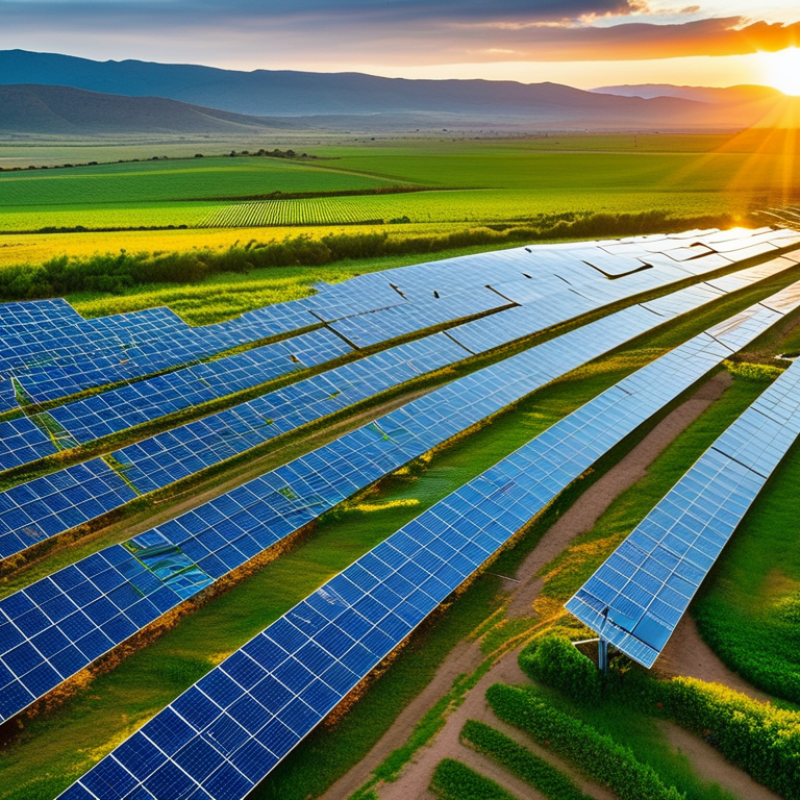
Solar energy offers a range of benefits to agriculture, enhancing productivity in various ways. Farmers can utilize solar panels to generate electricity for irrigation systems. This reduces reliance on fossil fuels, allowing for more sustainable operations. Utilizing solar power can also lower energy costs, freeing up resources for other necessary farm expenses.
Moreover, solar energy can help in greenhouse farming. These structures benefit from consistent temperature controls, promoting year-round growth. Solar-powered systems can regulate heating and cooling, reducing energy wastage. Yet, some farmers hesitate to invest in these technologies due to upfront costs and a steep learning curve.
While the advantages are clear, not all farms are equipped for such changes. The integration of solar technology requires planning and commitment. Farmers must evaluate their needs carefully. This process often reveals infrastructure shortcomings or financial barriers. Acknowledging these challenges is crucial for informed decision-making. Embracing solar energy can pave the way for a more productive and sustainable agricultural future.
| Benefit | Description | Impact on Productivity |
|---|---|---|
| Reduced Energy Costs | Solar energy provides an alternative energy source that can significantly lower the cost of agricultural operations. | Increased profit margins, allowing reinvestment into farming improvements. |
| Sustainable Practices | Utilizing solar energy minimizes reliance on fossil fuels, promoting environmentally sustainable farming methods. | Enhanced long-term viability of agricultural practices. |
| Improved Irrigation Efficiency | Solar-powered irrigation systems improve water management and crop yields by providing consistent water supply. | Higher crop yields due to better water availability. |
| Increased Crop Diversity | Energy from solar can power greenhouses, allowing for a wider variety of crops to be grown in different conditions. | Greater resilience and reduced risk of crop failure. |
| Enhanced Farm Automation | Solar energy supports automated systems, such as robotic harvesting and planting, improving labor efficiency. | Higher productivity due to reduced labor costs and increased efficiency. |
: Solar energy can increase crop yield by 20% to 50%. This is achieved through shade and reduced water evaporation.
Solar panels create a microclimate. They can promote better plant diversity and health. Crops like tomatoes thrive under them.
Land use conflicts can arise between crops and solar panels. Farmers need to assess land suitability carefully.
Yes, initial setup costs can be high. Many farmers may lack access to financing options or expertise.
Solar-powered pumps improve groundwater access. They can reduce water usage by 30% in drought-affected areas.
Agrivoltaics allows crops to grow beneath solar panels. This method optimizes land use without expanding farmland.
Education guides farmers in adopting solar systems. Support helps maximize the benefits and navigate challenges.
Yes, improved efficiency makes solar technology more accessible. However, initial costs may still be a concern.
Understanding local climate patterns is crucial. Farmers should evaluate energy needs and crop types carefully.
High installation costs and lack of guidance can limit adoption. Continuous evaluation and adaptation are essential.
Solar energy plays a vital role in enhancing agricultural productivity by providing numerous benefits that improve farming practices. One significant way how does solar energy support agriculture is through innovative technologies such as solar-powered irrigation systems and greenhouse heating, which optimize resource use. These advancements allow farmers to maintain consistent crop quality and yield, even in variable climatic conditions.
Moreover, the integration of solar energy in agriculture promotes sustainable practices, aiding in efficient resource management, including water and fertilizers, ultimately leading to a more eco-friendly approach. The advantages of solar power extend to future trends as well, with ongoing developments predicting an increase in its application, further boosting agricultural development and ensuring food security in a sustainable manner.

 Zenvyra