As rural areas seek sustainable energy solutions, solar energy emerges as a potential game changer. The National Renewable Energy Laboratory reports that rural communities with abundant sunlight could significantly benefit from solar technologies. The data shows that rural households can save 40% on their energy bills with solar installations. This leads to the crucial question: "Is solar energy suitable for rural areas?"
Dr. Emma Green, an energy policy expert, asserts, "The unique needs of rural regions must shape solar energy solutions." Her perspective highlights the challenges. Rural infrastructure may lack the resources for initial solar investments. Furthermore, maintenance might be complex in remote locations, complicating long-term sustainability.
While solar energy shows promise, the transition isn't straightforward. Local regulations could vary significantly, impacting installation processes. Inadequate educational support may hinder residents from fully understanding solar energy benefits. Engaging with local communities is essential to address these barriers. In exploring if solar energy suits rural areas, careful consideration of these factors remains vital for successful implementation.
Benefits of Solar Energy for Rural Communities
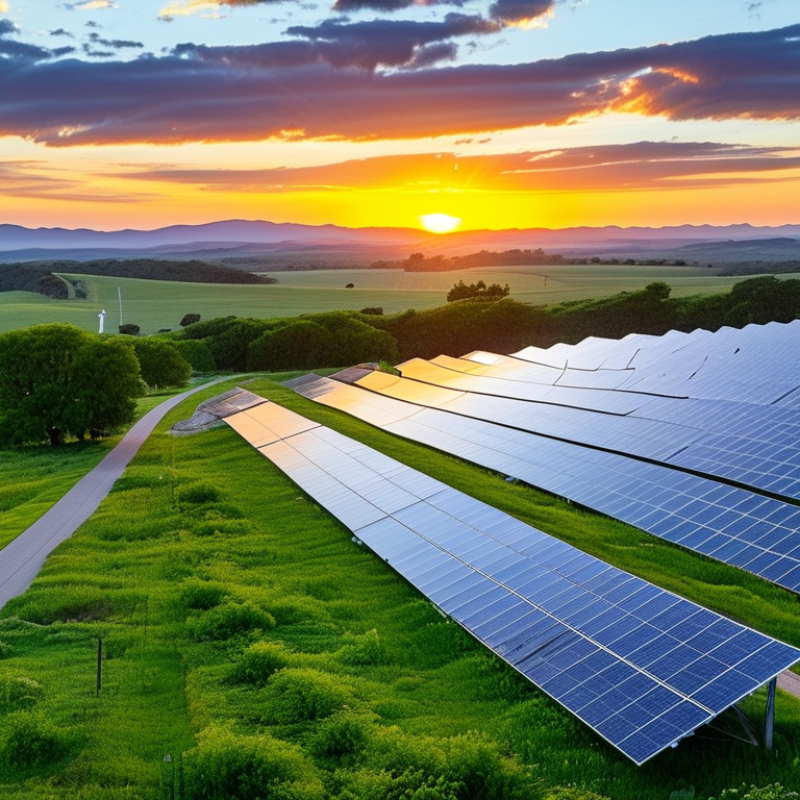
Solar energy has emerged as a transformative force for rural communities. According to the National Renewable Energy Laboratory, rural areas in the United States can potentially harness 2,000 gigawatts of solar energy. This capacity could significantly reduce reliance on fossil fuels. A community leveraging solar power can lower energy costs, fostering economic resilience.
Access to affordable energy is vital in rural locales. Many rural households face high electricity rates. By adopting solar panels, these communities can generate their own energy. A study from the Solar Energy Industries Association states that solar adoption can save rural homeowners up to $1,500 annually. These savings could fund education, health care, and more.
Yet, challenges remain. The initial investment for solar installations can be daunting for many families. Furthermore, the lack of infrastructure and technical expertise might hinder progress. Bridging this gap is essential. Partnerships with local governments and organizations can facilitate training and funding. Solar energy is a promising option, but its implementation requires careful consideration of local needs.
Challenges and Limitations of Solar Energy in Rural Areas
Solar energy presents both opportunities and challenges for rural areas. While it's a clean and renewable source, limitations must be considered. One major challenge is the initial cost of installation. Many rural households may struggle to afford the upfront investment. This financial barrier can deter communities from harnessing solar power.
Another issue is energy storage. Solar energy generation is inconsistent. During cloudy days or at night, energy production drops. This fluctuation can leave rural areas without reliable power. Local energy storage solutions, like batteries, can be expensive and need proper maintenance, adding to the overall cost.
Tips: Consider community solar projects. These initiatives share costs among multiple households, making it more affordable. Also, research local grants and subsidies for renewable energy projects. They can significantly alleviate financial burdens and encourage more families to go solar.
Lastly, solar panels require space. In rural areas, land may be available, but using it for solar might conflict with farming or wildlife. This could force communities to rethink land use and prioritize energy needs versus agricultural production. Adjusting to these complexities is crucial for sustainable energy transition.
Comparing Solar Energy to Other Energy Sources for Rural Use
Solar energy presents a unique opportunity for rural areas, where access to traditional power grids can be limited. Many rural communities feel the burden of high energy costs. Solar panels offer a sustainable solution to reduce these expenses. With an abundance of sunlight, rural regions can harness this energy effectively. Local installations can lead to greater energy independence.
Comparing solar to other energy sources, options like fossil fuels or wind energy emerge. Fossil fuels can be more accessible in some areas, but they contribute to pollution and climate change. In contrast, solar energy produces minimal emissions. Wind energy, while sustainable, often requires extensive land and can be inconsistent. Solar panels, if properly maintained, can provide reliable energy throughout the year.
Nevertheless, the transition to solar isn't without challenges. Initial installation costs can deter some communities. Additionally, not every location is ideal for solar energy, especially in areas prone to prolonged cloud cover. Understanding each community's unique needs is essential when assessing energy options. Emphasizing local expertise can help rural areas make informed decisions that align with their specific contexts.
Is Solar Energy the Best Choice for Rural Areas?
This chart compares the cost per kWh of different energy sources suitable for rural areas. Solar energy shows a competitive cost, indicating its potential as a viable option for energy needs in rural environments.
Government Policies and Incentives for Solar Adoption in Rural Areas
Rural areas often face unique energy challenges. Solar energy emerges as a viable solution. Government policies are crucial for promoting solar adoption in these regions. According to the U.S. Department of Energy, solar energy installations can save rural households up to 50% on electricity costs. These savings significantly impact low-income families.
Various government incentives encourage rural solar investment. These include tax credits, grants, and loan programs. The Federal Investment Tax Credit allows homeowners to deduct 26% of solar installation costs from federal taxes. Additionally, the Rural Energy for America Program (REAP) provides grants and loans to agricultural producers. In 2021, REAP awarded over $12 million to rural energy projects.
Despite these incentives, challenges persist. Many rural residents lack access to financing options. Limited awareness of solar benefits hinders widespread adoption. Potential technological barriers also exist. For instance, older homes may require significant upgrades to support solar installations. Such factors remind us that while government policies provide a framework, individual circumstances can vary. Efforts must address these discrepancies to ensure inclusive energy solutions.
Case Studies of Successful Solar Energy Implementation in Rural Regions
Rural areas often face energy access challenges. Solar energy has emerged as a transformative solution. Several successful case studies illustrate how solar power can boost local economies and improve living conditions.
In one rural village, solar panels reduced reliance on diesel generators. This transition lowered costs significantly. Residents reported savings that allowed for investment in education and health. Community-owned solar systems fostered teamwork and pride. People learned about maintenance and sustainability. However, it is vital to address the initial investment barriers for such projects.
Another example features a remote farm utilizing solar irrigation. This innovation increased crop yields and reduced water usage. Farmers were more resilient to drought. Yet, reliance on solar might raise concerns during prolonged cloudy periods. Thus, hybrid systems could enhance reliability.
Tips: Always consider local weather patterns. Involving the community early is crucial. Assess potential challenges before implementation. Engage with experts who understand regional needs. This approach will ensure a successful solar energy integration in rural areas.
FAQS
: Solar energy can save rural households up to 50% on electricity costs. This is especially beneficial for low-income families.
Incentives include tax credits, grants, and loans. These programs can significantly reduce the costs of solar installation.
Homeowners can deduct 26% of their solar installation costs from federal taxes. This encourages more people to consider solar.
REAP provides grants and loans to agricultural producers. It has funded over $12 million for rural energy projects in recent years.
Many lack access to financing options. Limited awareness of solar benefits also hinders adoption in these areas.
Community-owned solar systems foster teamwork and pride. Early involvement is crucial for successful implementation.
Yes, prolonged cloudy periods may raise concerns. Hybrid systems could be a solution for enhanced reliability.
Local weather patterns and initial investment barriers should be assessed. Engaging with experts is also important.
Solar installations reduced diesel reliance, lowering costs. This allowed residents to invest more in education and health.
Though policies exist, individual financial and structural factors vary greatly. Addressing these is essential for inclusive energy solutions.
Conclusion
The question of whether "is solar energy suitable for rural areas" has gained significant attention due to the numerous benefits it offers to rural communities. Solar energy can provide a sustainable and reliable power source, reduce energy costs, and enhance energy independence for rural residents. However, challenges such as high initial investment costs, limited infrastructure, and varying sunlight availability can hinder its widespread adoption.
When comparing solar energy to other energy sources, its environmental benefits and potential for local job creation set it apart. Furthermore, government policies and incentives play a crucial role in promoting solar adoption in these regions. Case studies of successful implementations highlight how rural areas can effectively harness solar energy, demonstrating its viability and long-term advantages in fostering sustainable development.

 Zenvyra