How Reliable is Solar Energy in Cloudy Weather?

Time:2026-08-09 Author:Liam
0%

In recent years, the adoption of solar energy has surged. Many homeowners and businesses are looking into this sustainable option. However, a common concern arises: is solar energy reliable in cloudy weather? Understanding solar reliability during such conditions is crucial for informed decisions.

Cloud cover can significantly affect solar panel efficiency. While sunlight is reduced, it doesn’t disappear entirely. Solar panels can still generate power, albeit at a lower rate. In fact, some modern solar technologies perform better in diffuse light, which occurs on overcast days. This prompts further questions about energy output consistency.

However, it’s important to consider regional variations. Areas with frequent clouds may experience different results compared to sunnier climates. Additionally, the efficiency of solar panels varies by type and technology. Therefore, while solar energy can be a steady power source, individual experiences may differ. This nuanced understanding helps in evaluating the true reliability of solar energy in less-than-ideal weather conditions.
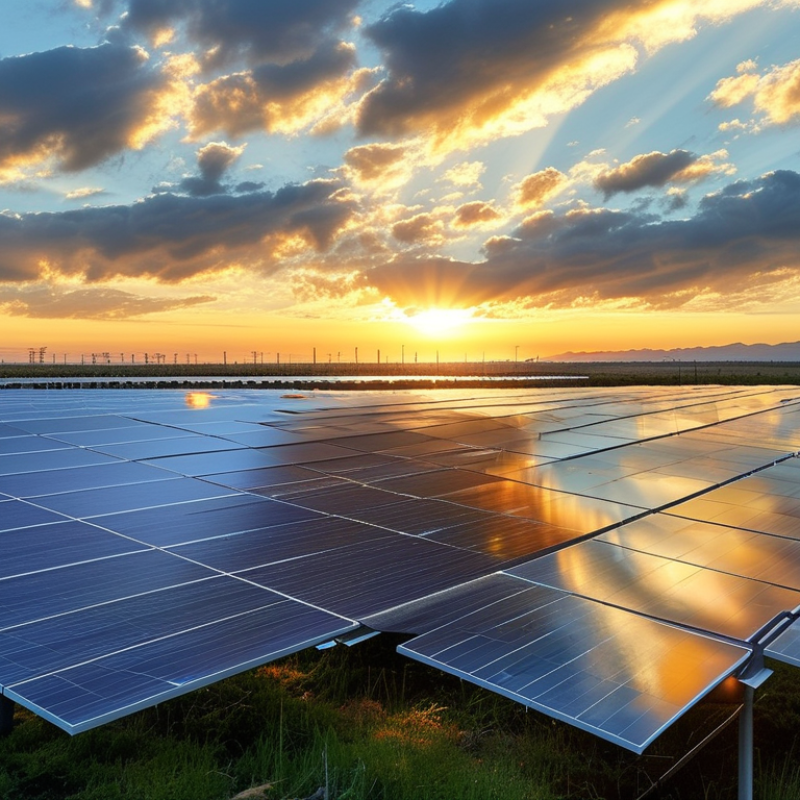
How Reliable is Solar Energy in Cloudy Weather?

Reliability of Solar Energy Systems in Cloudy Conditions

Cloudy weather can impact the performance of solar energy systems. Studies show that solar panels generate approximately 10-25% of their output in overcast conditions. This variability often raises concerns about the reliability of solar energy for consistent electricity supply. However, modern solar technology has made significant strides. High-efficiency panels, for instance, can still capture a good amount of diffuse sunlight.

A report by the National Renewable Energy Laboratory indicates that solar installations can be quite effective even during less than ideal weather. System design is crucial; incorporating battery storage helps store excess energy generated during sunnier periods. However, some regions experience frequent cloud cover, leading to less reliable output. It’s essential for users to assess average solar production in their specific area.

While the average solar system can produce a reasonable amount of energy on cloudy days, performance inconsistency is a real concern. Users must prepare for fluctuations in energy supply. Understanding local climate patterns will help in planning for backup power solutions. Investing in solar energy remains a critical step towards sustainable practices, but it's important to approach it with careful consideration of weather impacts.

Reliability of Solar Energy Systems in Cloudy Conditions

Impact of Cloud Cover on Solar Radiation and Energy Output

Cloud cover significantly impacts solar radiation. When clouds obstruct the sun, solar panels receive less light. This reduction varies by cloud thickness and type. Thick clouds can cut solar output by up to 90%. Medium and light clouds have a lesser effect, allowing some sunlight to penetrate.

Even during overcast days, solar energy can still be harnessed. Solar panels convert diffused sunlight into electricity. Studies show output can be 10-20% of normal levels under cloudy conditions. This is a positive aspect. However, it raises questions about reliability in certain regions.

Considering these factors is essential for solar energy planning. Areas with frequent cloud cover may need supplemental energy sources. Investment in battery storage could offset cloudy days. Overall, solar remains a viable option, even when the sun is hidden. Still, understanding these dynamics is crucial for maximizing efficiency.

Comparative Analysis of Solar Panel Performance in Overcast Weather

Solar energy can indeed function in cloudy weather, but its efficiency varies. Studies show that solar panels can produce 10% to 25% of their rated capacity on overcast days. Factors like the type of solar technology and the angle of installation also play a critical role.

Research from the National Renewable Energy Laboratory reveals that monocrystalline panels outperform others in diffused light conditions. These panels can capture more light even when sunlight is limited. With a proper setup, users can still harness sufficient energy during prolonged cloudy periods.

However, production levels can be inconsistent. Daily energy yield may fluctuate, bringing about reliance on grid power during low-sunlight days. Understanding these challenges is essential for energy planning. Evaluating local weather patterns can help in making better solar investment decisions.

How Reliable is Solar Energy in Cloudy Weather? - Comparative Analysis of Solar Panel Performance in Overcast Weather

Location Average Cloud Cover (%) Energy Output (kWh/m²) Panel Efficiency (%) Optimal Performance (% of Ideal)
Seattle, WA 75 3.2 15 40
London, UK 80 2.8 14 35
Berlin, Germany 70 3.0 16 38
Dublin, Ireland 85 2.5 13 30
Oslo, Norway 70 2.9 12 32

Technological Innovations Enhancing Solar Energy Efficiency in Clouds

Cloudy weather is often seen as a challenge for solar energy generation. However, recent technological innovations are enhancing the efficiency of solar panels even in such conditions. Many advanced photovoltaic systems can capture diffused sunlight, which can account for up to 80% of total sunlight during cloudy days. According to a report by the National Renewable Energy Laboratory, certain solar technologies can achieve up to 90% of their rated capacity under overcast skies.

Innovative solutions like bifacial solar panels are gaining traction. These panels can absorb solar energy from both sides, significantly increasing their energy output. Researchers note that bifacial panels can yield up to 30% more energy than traditional panels in various weather conditions. Additionally, advancements in solar tracking systems enable panels to adjust their position and optimize light capture, even with limited sunlight.

Tips: Optimize your solar setup by regularly cleaning panels. Dirt and debris can significantly reduce efficiency, especially in cloudy weather. Consider investing in monitoring systems that can help track performance under different conditions. Assessing the micro-climate of your area can also help in understanding how to maximize solar potential each season. Embracing these innovations can turn cloudy days into opportunities for consistent energy generation.

Case Studies: Solar Energy Performance Data from Cloudy Regions

Cloudy weather poses a challenge for solar energy production. However, many regions with significant cloud cover still report impressive solar output. A study conducted in the Pacific Northwest found that solar panels produced over 60% of their rated capacity even on overcast days. This data highlights the adaptability of solar technology in less-than-ideal weather conditions.

In Germany, one of the world leaders in solar energy, reports showcase that solar installations generated notable power during cloudy periods. In 2019, around 10% of Germany’s yearly solar energy production occurred on days with extensive cloud coverage. These findings indicate the sustained efficiency of solar panels, even when sunlight is limited.

Yet, there is room for improvement. The variability of solar energy generation in cloudy regions raises questions about grid reliability. Factors such as panel efficiency and local climate play crucial roles in performance. Understanding these nuances could help optimize energy output in similar environments. Further research is essential to navigate the intricate dynamics of solar energy in cloudy conditions.

FAQS

: How does cloud cover affect solar radiation?

: Cloud cover reduces solar radiation significantly. Thick clouds can decrease solar output by up to 90%.

Can solar panels generate energy on overcast days?

Yes, even on cloudy days, solar panels can produce 10-20% of their normal output.

What factors influence solar panel performance in cloudy weather?

Factors include solar technology type and panel installation angle. These can affect energy production.

Which type of solar panels perform best in cloudy conditions?

Monocrystalline panels usually outperform others, capturing more light in diffused sunlight.

What challenges do users face during consistently cloudy periods?

Energy production can fluctuate, and reliance on grid power may increase during low-sunlight days.

How can technology improve solar energy efficiency in clouds?

Advanced systems can capture up to 80% of sunlight on cloudy days, improving overall efficiency.

What are bifacial solar panels?

Bifacial panels absorb sunlight from both sides, potentially yielding 30% more energy than traditional panels.

How can solar tracking systems benefit energy capture in cloudy weather?

Tracking systems optimize panel position, allowing for better light capture even with limited sunlight.

What maintenance tips can improve solar panel efficiency?

Regularly cleaning panels is crucial. Dirt can significantly reduce efficiency, especially when it’s cloudy.

Why is it important to assess local weather patterns for solar investment?

Understanding local weather can help in making informed decisions about solar energy setups and efficiency.

Conclusion

The article "How Reliable is Solar Energy in Cloudy Weather?" explores the performance and dependability of solar energy systems under overcast conditions. It begins by analyzing the reliability of solar energy systems in cloudy weather, specifically highlighting how varying levels of cloud cover influence solar radiation and overall energy output. The article presents a comparative analysis of solar panel performance in such conditions, showing that while efficiency decreases, panels can still generate usable energy.

Additionally, the article discusses technological innovations that enhance solar energy efficiency during cloudy periods, including advanced materials and tracking systems. Case studies from regions known for frequent cloud cover provide real-world performance data, demonstrating that solar energy is indeed reliable in cloudy weather, albeit at reduced efficiency. Ultimately, the findings suggest that while solar energy output may be affected by cloudiness, it remains a viable source of energy even in less than ideal conditions.

Liam

Liam

Liam is a dedicated marketing professional with a profound expertise in the industry, where he excels at highlighting the unique advantages of our core products. With a keen understanding of market trends and consumer needs, Liam frequently updates our company’s professional blog, providing......