As we approach 2026, a pertinent question arises: is solar energy worth the investment in 2026? The push for renewable energy is stronger than ever. Many consumers are considering solar power to reduce utility bills and carbon footprints. However, the initial investment can be daunting.
Data shows installations have skyrocketed, but not all regions benefit equally. Some areas see quick paybacks, while others face lengthy returns. An investor's experience can vary significantly based on location and energy needs. Furthermore, technological advancements may lead to lower costs in the coming years, making the investment more appealing.
Still, there are challenges ahead. Government incentives fluctuate, impacting overall cost-effectiveness. Additionally, the market is rapidly evolving, creating uncertainties. Prospective buyers should weigh both the tangible and intangible benefits. Reflecting on these factors is crucial for making informed decisions about solar energy investments in 2026.
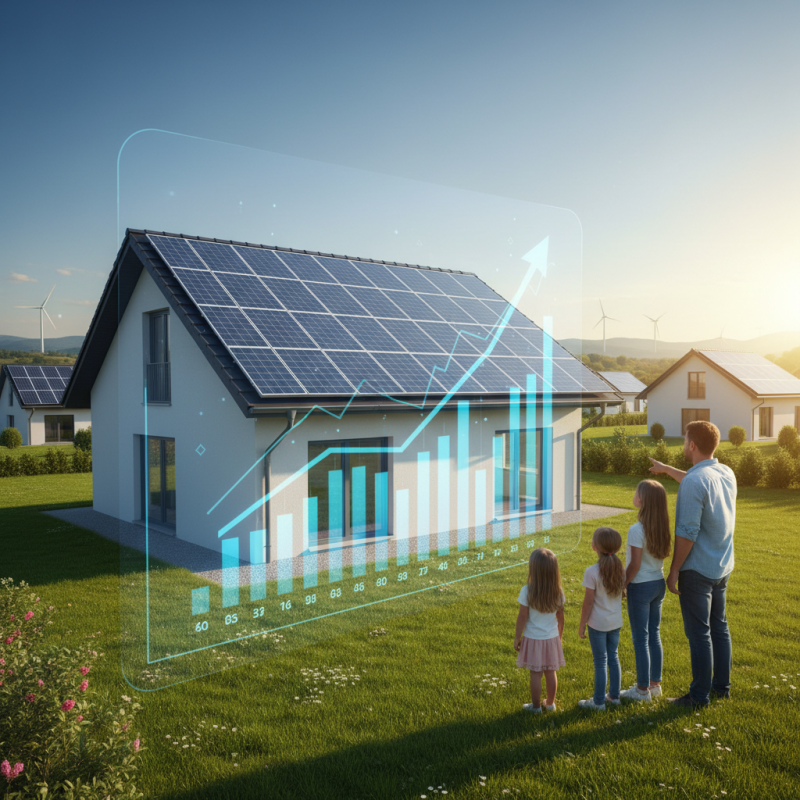
The cost of solar energy in 2026 will depend on various factors. One significant factor is technology advancement. Solar technology is continuously improving, becoming more efficient and affordable. However, the pace of these improvements can vary. Government incentives also play a role. Policies can change quickly, affecting overall affordability.
Infrastructure investments are crucial. If local grids can’t handle new solar systems, costs rise. Public interest will impact installation rates as well. Some communities are enthusiastic, while others are hesitant. This disparity may lead to regional price differences.
Lastly, raw material availability cannot be ignored. Supply chain issues can increase the price of solar panels. If demand surges without matching supply, costs may rise sharply. It’s essential to consider these dynamics. Investing in solar energy requires careful thought about these fluctuating factors.
Investing in solar energy presents considerable economic benefits for households and businesses alike. By 2026, the cost of solar panels is projected to decrease further, making it more accessible. Homeowners can expect lower electricity bills, as solar energy can significantly reduce monthly expenses. This reduction allows families to allocate funds to other essential needs.
Businesses may witness a dramatic shift in operational costs. Transitioning to solar energy may offer tax incentives, enhancing profitability. Companies can also boost their brand image by being environmentally responsible. However, initial investment remains a challenge for some. The technology can be costly upfront, and not every location gets enough sunlight for optimal efficiency.
Moreover, geographical factors influence the effectiveness of solar installations. Some regions may experience cloudy weather, limiting solar output. This introduces variability in energy production, which can be a concern for those reliant on consistent energy supply. Evaluating local solar resources and incentives is crucial for a successful investment. Future economic forecasts suggest ongoing growth in the solar sector, yet careful consideration is essential.
In recent years, solar energy has seen remarkable advancements. By 2025, the efficiency of solar panels is projected to surpass 23%, according to the Solar Energy Industries Association. This marks a significant leap from the typical 15-20% efficiency observed in earlier technologies. Improved materials, such as perovskite cells, play a crucial role in enhancing performance.
Moreover, energy storage solutions are evolving. Innovative battery technologies are pushing costs down significantly. For instance, the National Renewable Energy Laboratory states that lithium-ion battery costs have fallen by 89% since 2010. These batteries allow for energy capture during peak sunlight hours, providing a more reliable energy source.
Despite these developments, not all regions benefit equally. Factors like sun exposure and initial investment can influence returns on solar installations. Research by Wood Mackenzie highlights that while urban areas may see faster payback periods, rural installations might face longer waits. It’s essential to analyze local conditions before making an investment.
This chart illustrates the improvements in solar panel efficiency from 2020 to 2026, based on advancements in technology and materials used in solar energy systems.
Government policies and incentives play a crucial role in the solar investment landscape. As of 2026, various initiatives are set to enhance the solar market's attractiveness. For instance, federal tax credits may allow investors to deduct up to 30% of installation costs. This substantial reduction can significantly influence a homeowner’s decision-making process.
Furthermore, state governments are introducing feed-in tariffs, which guarantee fixed payments for solar-generated electricity. Reports indicate that states offering such programs see an increase in solar panel installations. For example, California's Solar Incentive Program has contributed to a 20% rise in residential solar projects since its launch.
Despite these incentives, challenges remain. The initial investment can be daunting for many. While incentives alleviate some costs, financing options may complicate decisions. Understanding all terms and conditions associated with incentives is vital. The complexity of policies may deter potential investors. Ultimately, while the path to investing in solar energy has become clearer, it still requires careful consideration and planning.
As the world faces climate challenges, solar energy emerges as a critical player. The environmental implications of using solar energy are profound. Many studies indicate a significant reduction in greenhouse gas emissions. Solar panels convert sunlight into electricity without producing harmful pollutants. In 2026, adopting solar technology could mean cleaner air and a more sustainable lifestyle.
However, it’s essential to consider some drawbacks. The production of solar panels involves resource extraction that can harm local ecosystems. Additionally, the disposal of old panels poses waste management challenges. While these issues might seem minor, they require reflection and innovation. Sustainable practices in manufacturing and recycling can mitigate these impacts over time.
Investing in solar energy leads to long-lasting benefits for the environment. Yet, challenges exist that demand attention. By focusing on sustainable solutions, we can maximize the positive impacts of solar energy while minimizing its negative consequences.
: Solar energy reduces electricity bills significantly for homeowners and can lower operational costs for businesses.
Investing in solar can help families save money, allowing them to use funds for other important needs.
The initial investment can be high, and not every location may receive adequate sunlight for efficiency.
Policies like federal tax credits and state feed-in tariffs can make solar energy more financially appealing.
They guarantee fixed payments for electricity generated by solar, encouraging more installations.
Understanding various terms and conditions can be overwhelming, potentially deterring investment interest.
Some regions with cloudy weather may produce less energy, affecting reliability for users.
Variability in energy production can be a concern for those seeking consistent energy supply.
Evaluating local solar resources, incentives, and the initial cost is crucial for a successful investment.
Many underestimate the initial costs and complexities involved, which could lead to regretful decisions later.
As we look towards 2026, the question arises: is solar energy worth the investment in 2026? Several key factors will shape the economic landscape of solar energy, including the decreasing costs of solar technology, which are driven by advancements in efficiency and manufacturing processes. Additionally, government policies and incentives will play a crucial role in encouraging investments, making solar energy a more attractive option for both individuals and businesses.
Moreover, the long-term environmental benefits associated with solar energy usage cannot be overlooked. By investing in solar, individuals can contribute to a more sustainable future while also enjoying potential economic gains. Ultimately, the convergence of technological innovations, supportive governmental frameworks, and the pressing need for environmental responsibility suggests that investing in solar energy will be a wise choice in 2026.

Zenvyra