As solar energy systems gain popularity, homeowners often overlook an essential question: what are the hidden costs of solar energy systems? While installing solar panels can reduce electricity bills, many additional expenses can arise. According to a 2021 report by the U.S. Department of Energy, nearly 30% of homeowners underestimate these costs when planning their installations.
Hidden costs include maintenance, inverter replacement, and insurance adjustments. A study by the Solar Energy Industries Association (SEIA) indicates that average maintenance costs can exceed $300 annually. Additionally, inverters, crucial in converting solar energy, may need replacing every 5-10 years, costing around $1,000. These considerations often slip through the cracks during initial estimates.
Moreover, while solar panels can increase property values, associated costs, such as permitting fees and potential rooftop repairs, can undermine this benefit. What may seem like a simple investment can morph into a complicated financial decision. Understanding these hidden costs is vital for those considering solar energy to avoid unexpected financial burdens.
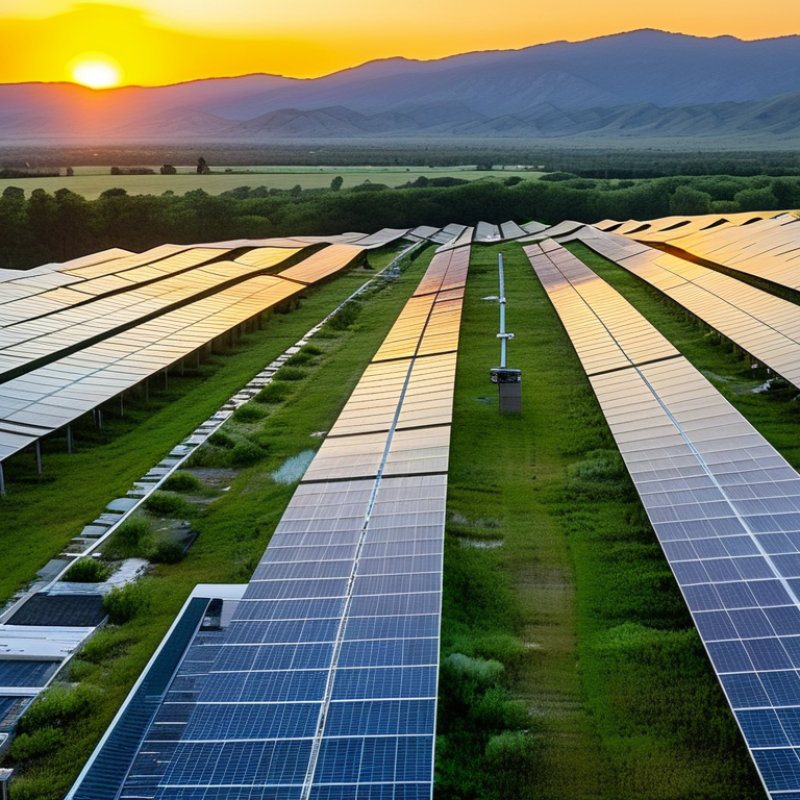
When considering solar energy systems, the initial investment looms large. While solar panels can significantly reduce utility bills, the upfront costs often catch homeowners off guard. Installation expenses, permit fees, and equipment costs can add up quickly. It’s essential to conduct thorough research before committing to this technology.
Understanding the true price involves more than just the panels. Hidden costs can include maintenance fees and insurance. Regular upkeep is needed to ensure optimal performance. Additionally, some regions require special permits that may involve further expenses. Unexpected costs can lead to frustration, highlighting the importance of budgeting accurately.
Factors like location and home type can affect pricing. Flat roofs may require specialized mounting systems. Homeowners should also consider incentives and rebates. These financial aids can alleviate some burden, but they require careful planning. It's crucial to consult with knowledgeable professionals who can provide transparent information. This way, potential buyers can make informed decisions without oversights.
When considering solar energy systems, many focus primarily on the equipment costs. However, installation costs can significantly impact your overall budget. These costs often include labor, permits, and inspections, which can add thousands to your final bill. Analyzing these hidden costs is essential for anyone looking to invest in solar.
Understanding the labor costs is crucial. Skilled labor for installation can be expensive. Find reputable contractors who provide clear estimates. Ask about their experience with solar installations. Additionally, be aware of the necessary permits and possible inspections based on local regulations. These can incur fees that may not be included in initial quotes.
Another hidden cost can arise from unexpected site conditions. Your roof may need repairs, or tree removal might be required for optimal sunlight. It's essential to assess your property thoroughly before installation. Take the time to reflect on what your property needs to ensure a successful solar setup. Careful planning can save you from unexpected expenses later on.
When considering solar energy systems, long-term maintenance and repair costs are often overlooked. Initially, homeowners are drawn in by the allure of lower utility bills and renewable energy benefits. However, understanding ongoing expenses can lead to more informed decisions. Regular maintenance is crucial to ensure the system operates at peak efficiency.
For example, solar panels may require cleaning to remove dirt and debris. This can be an annual expense. Additionally, inverters may need replacement every five to ten years, which can be a significant cost. Batteries, if included, can require upkeep and periodic replacement, further adding to the financial obligation.
Some homeowners underestimate how wear and tear affects system performance. Not all installations are equal; factors like location and climate play important roles. If you live in a dusty area, you might face higher cleaning costs. Regular inspections can help identify issues early, but they come with their own costs. In the end, budgeting for these hidden expenses is essential to fully enjoy the benefits of solar energy.
When investing in solar energy systems, many overlook inverter replacement and performance degradation costs. Inverters are essential for converting solar energy into usable electricity. However, they typically have a lifespan of about five to ten years. According to industry research, replacing a central inverter can cost between $1,000 to $3,000, depending on the model and installation requirements. This can significantly impact the long-term savings one expects from solar panels.
Moreover, performance degradation is a critical factor for solar panels. Research indicates that solar panels lose about 0.5% to 1% efficiency per year. After 20 years, this can diminish overall energy production by 10% to 20%. Such figures highlight why understanding these hidden costs is vital. Homeowners need to know that the initial savings after installation may not be sustained over time due to these factors. Monitoring energy output regularly can help identify performance drops. This proactive approach may guide solar system owners in making timely decisions about maintenance or upgrades.
Identifying local incentives for solar energy systems can significantly impact your overall budget. Many governments and utility companies offer rebates or tax credits that reduce initial costs. Understanding these incentives is crucial before installation. In many areas, rebates vary widely. Researching these can save you thousands.
Consult local resources for the most accurate information. Websites like government portals can provide updates on available incentives. This can help you avoid missing out on opportunities. It's essential to read the fine print, as some incentives require specific conditions to be met.
When evaluating costs, consider maintenance and replacement parts. While incentives lower initial expenses, ongoing costs might overshadow savings. It's a good practice to budget for unexpected repairs or component replacements. Local incentives may also change, which impacts your financial plan. Keeping track can prevent surprises down the line.
| Cost Category | Estimated Cost ($) | Description |
|---|---|---|
| Installation Costs | 2,000 - 8,000 | Labor costs associated with installing solar panels. |
| Permitting Fees | 100 - 2,000 | Costs related to obtaining the necessary permits. |
| Maintenance and Repairs | 200 - 500 per year | Ongoing maintenance to keep the system operating efficiently. |
| Inverter Replacement | 1,000 - 3,000 | Replacement of inverters typically needed every 5-10 years. |
| Insurance Costs | 100 - 500 per year | Additional insurance to cover potential damages to the system. |
| Financing Fees | 0 - 1,500 | Costs associated with loans or financing options. |
| Local Incentives Impact | Varies | Local incentives can lower upfront costs but may change over time. |
: Look at installation costs, including labor, permits, and inspections. These can add thousands to your budget.
Skilled labor can be expensive. Get estimates from reputable contractors with solar installation experience.
Yes, unexpected site conditions like roof repairs or tree removal can increase costs. Assess your property thoroughly.
Regular maintenance ensures peak efficiency. Ignoring it can lead to costly repairs and lower performance.
Consider cleaning costs for solar panels and possible inverter replacements every five to ten years.
Incentives can reduce initial costs, but it's essential to weigh them against ongoing expenses and possible repairs.
Research local resources like government websites for the latest updates on rebates or tax credits.
Many underestimate maintenance and repair costs. Oversights can lead to unexpected financial strain.
Planning can identify potential costs, saving you from surprises during and after installation.
Include all potential costs, including site assessments and ongoing maintenance, to create a realistic financial plan.
When considering solar energy systems, it's crucial to understand what are the hidden costs of solar energy systems. The initial investment can often be misleading; beyond just the equipment purchase, homeowners should prepare for substantial installation costs, which may include labor and additional materials. Furthermore, the long-term financial commitment extends to maintenance and repair expenses that are often overlooked initially.
Another significant cost factor is the replacement of inverters and the performance degradation of solar panels over time, which can impact overall savings. Additionally, while local incentives can help alleviate some of these costs, it's important to thoroughly analyze how they affect your budget. By evaluating these aspects, potential solar energy users can gain a clearer picture of the complete financial landscape associated with solar systems.

Zenvyra