How Often Should Solar Equipment Be Maintained for Best Performance?

Time:2026-06-04 Author:Liam
0%

Proper maintenance is crucial for solar equipment to ensure optimal performance. Many owners wonder, "how often does solar equipment need maintenance?" The answer is not straightforward, as it depends on several factors, including system type and environmental conditions. Regular checks can prevent minor issues from becoming major problems.

Solar panels typically require minimal maintenance. However, an inspection at least twice a year is advisable. This includes cleaning the panels and checking for debris, dirt, or damage. In areas with heavy rainfall or strong winds, more frequent checks may be necessary. Keeping the equipment in good condition helps maintain efficiency.

The inverter, a key component, often needs more attention. It should be monitored at least monthly. Over time, wear and tear can lead to performance drops. Understanding these needs is vital for energy savings. Skipping maintenance can result in unexpected costs and decreased energy output. Each system is unique, so it's essential to develop a tailored maintenance schedule. By addressing potential issues early, homeowners can enjoy reliable renewable energy.
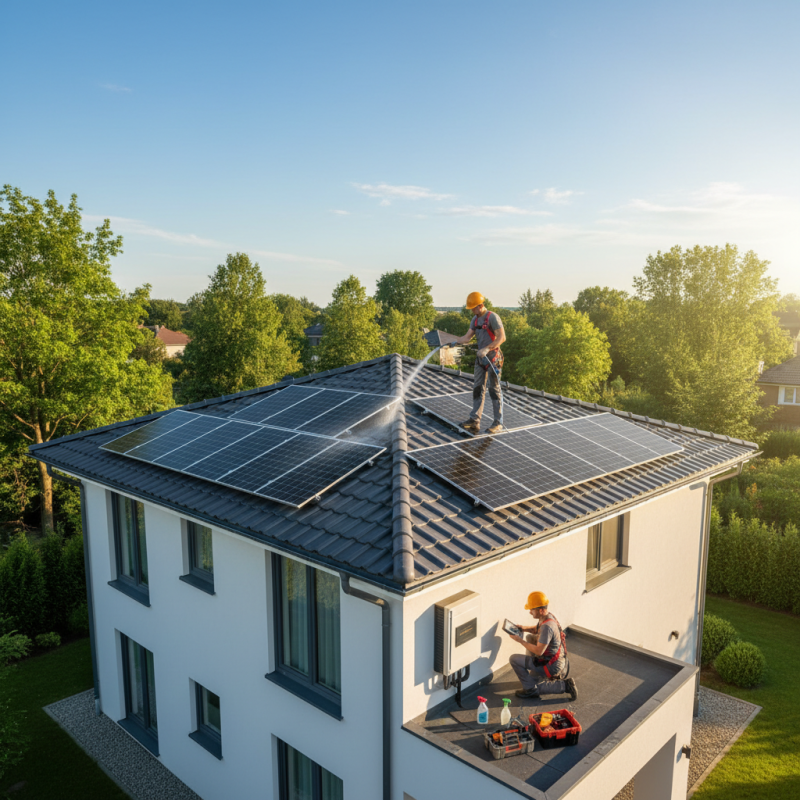
How Often Should Solar Equipment Be Maintained for Best Performance?

Recommended Maintenance Frequency for Solar Panels and Inverters

Maintaining solar equipment is crucial for optimal performance. Regular maintenance ensures that solar panels and inverters operate efficiently, prolonging their lifespan. Experts recommend servicing solar panels at least twice a year. Clean panels enhance sunlight absorption, boosting energy production by up to 20%.

Inverters, on the other hand, should be inspected annually. They play a vital role in converting solar energy into usable power. Neglecting the inverter could lead to significant energy loss. Some studies suggest a monthly check of inverter indicators and error codes to catch any issues early.

Tips for maintenance: Keep the panels clear of debris and dust. Regularly inspect for shading from trees or nearby structures. If you live in areas with heavy rainfall, you may need less frequent cleaning. For those in dust-prone regions, consider quarterly maintenance checks. Monitoring performance regularly can identify efficiency declines sooner, allowing for proactive adjustments. Being diligent with maintenance can mean the difference between optimal performance and costly repairs down the line.

Importance of Regular Inspections for Optimal Solar Performance

Regular inspections of solar equipment are crucial for maintaining optimal performance. Industry studies show that well-maintained solar systems can achieve efficiency levels over 90%. Neglect can lead to a decrease in energy production by as much as 20%. This decline often stems from dirt, dust, and debris accumulation on solar panels. Even shading from nearby trees can affect output.

Routine checks allow for timely repairs and cleaning. Solar equipment should be inspected at least twice a year. In addition, monitoring performance monthly can reveal issues early. These simple actions can extend the lifespan of your system.

Tips: Clean panels lightly with water and a soft cloth. Avoid harsh chemicals that could damage surfaces. Check for any shading issues caused by growing foliage. A small investment in maintenance can yield significant energy savings and enhance performance.

Impact of Weather Conditions on Solar Equipment Maintenance Needs

Weather conditions significantly impact the maintenance needs of solar equipment. Studies show that regions with heavy rainfall may lead to corrosion and mold growth on solar panels. This necessitates more frequent inspections and cleaning. In contrast, areas experiencing prolonged sunlight can result in dust accumulation, reducing efficiency. It's crucial to adjust maintenance schedules according to local weather patterns.

Moreover, temperature fluctuations affect the performance of solar inverters and batteries. High temperatures can accelerate wear and tear, while extreme cold may lead to battery inefficiencies. A report from the National Renewable Energy Laboratory indicates that equipment in variable climates may require servicing up to 30% more than in stable conditions. Regular maintenance not only enhances performance but also extends the lifespan of solar systems.

Ultimately, there is no one-size-fits-all maintenance schedule. Each system, influenced by specific environmental factors, demands a tailored approach. For example, periodic checks after major storms or seasonal changes can be beneficial. Reflecting on these points can help owners optimize their solar investments.

Cost-Benefit Analysis of Routine Solar System Maintenance

Routine maintenance of solar systems is essential for optimal performance. Regular checks can prevent minor issues that escalate into costly repairs. Cleaning solar panels of dirt and debris enhances energy output. Regular inspections can identify wear on components, ensuring long-term reliability.

The cost-benefit analysis of maintenance reveals significant savings over time. Investing in routine upkeep reduces unexpected failures. For instance, the cost of a single panel replacement can outweigh years of routine maintenance expenses. However, some owners may delay service due to perceived costs. This approach can lead to higher expenses later on.

Neglecting maintenance could result in performance drops. For example, dust accumulation can reduce efficiency by up to 20%. This is significant in terms of energy loss. Homeowners should weigh immediate costs against potential long-term benefits. A well-maintained system can yield better energy savings and enhance its lifespan. Investing time in maintenance pays off in the end.

How Often Should Solar Equipment Be Maintained for Best Performance?

This bar chart illustrates the recommended maintenance frequency for solar equipment based on performance impact and cost-effectiveness. Regular inspections and maintenance can significantly enhance the longevity and efficiency of solar systems.

Best Practices for Cleaning and Maintaining Solar Equipment

Maintaining solar equipment is essential for optimal performance. Regular cleaning ensures that dirt and debris do not hinder energy absorption. A simple rinse with water can remove dust. Harder stains might require mild soap. Ideally, check your panels every few months.

Additionally, inspect for damage or wear. Look for cracks or loose connections. Noticing these issues early can prevent costly repairs. Environmental factors play a role, too. Birds and tree sap can leave residues. Seasonal changes may increase the need for maintenance.

When cleaning, avoid harsh chemicals. These can damage the panels. It’s best to use soft cloths or sponges. If you're uncomfortable doing this, hiring a professional can be wise. They bring expertise and the right tools. Understanding the specific needs of your solar equipment can guide you. Regular maintenance reflects a commitment to efficiency and longevity.

FAQS

: How often should I maintain my solar panels?

: It is recommended to service solar panels at least twice a year.

What are the benefits of cleaning solar panels?

Cleaning enhances sunlight absorption and can boost energy production by up to 20%.

How often should I check my inverter?

Inverters should be inspected at least once a year.

Can I check my inverter monthly?

Yes, monthly checks of inverter indicators can help catch issues early.

What factors affect how often I need to clean my panels?

Factors include dust levels, rainfall frequency, and nearby trees or structures.

What damage can neglecting maintenance cause?

Neglect can lead to significant energy loss and costly repairs over time.

How can I clean my solar panels?

Rinse them with water; use mild soap for tougher stains.

Should I hire a professional for maintenance?

If uncomfortable with maintenance, hiring a professional can be beneficial.

What should I avoid when cleaning panels?

Avoid harsh chemicals and use soft cloths or sponges instead.

How does proper maintenance impact long-term costs?

Proper maintenance can lead to long-term savings and fewer unexpected failures.

Conclusion

Regular maintenance is crucial for ensuring optimal performance of solar equipment. So, how often does solar equipment need maintenance? Experts recommend inspecting solar panels and inverters at least once or twice a year. These inspections help identify any potential issues early, ensuring that the system operates at peak efficiency. Weather conditions significantly influence maintenance needs; for example, areas with heavy dust or frequent storms may require more frequent cleaning and checks.

Additionally, conducting a cost-benefit analysis of routine maintenance can reveal significant savings in energy efficiency and system longevity. Best practices for maintaining solar equipment include regular cleaning to remove dirt and debris and checking connections to prevent energy loss. By adhering to these recommendations, solar system owners can maximize both performance and lifespan, ultimately enhancing their return on investment.

Liam

Liam

Liam is a dedicated marketing professional with a profound expertise in the industry, where he excels at highlighting the unique advantages of our core products. With a keen understanding of market trends and consumer needs, Liam frequently updates our company’s professional blog, providing......