Understanding what affects solar panel efficiency the most is crucial for maximizing energy outputs in solar systems. Expert Dr. Emily Harris, a leading researcher in renewable energy, states, "The efficiency of solar panels can dramatically change based on environmental and technological factors." Her insights highlight that several key elements play a role in solar panel performance.
Factors such as temperature, shading, and angle of installation significantly influence efficiency. For instance, high temperatures can reduce the energy conversion rates of solar cells. The alignment of panels to capture sunlight, throughout the day, also matters greatly. This complexity is often overlooked by homeowners.
In addition, the quality of solar materials and technology involved directly impacts performance. Premium panels may perform better under less-than-ideal conditions. Homeowners often grapple with these choices, which can lead to frustration. Thus, it’s vital to recognize and understand what affects solar panel efficiency the most to ensure optimal energy production and investment value.
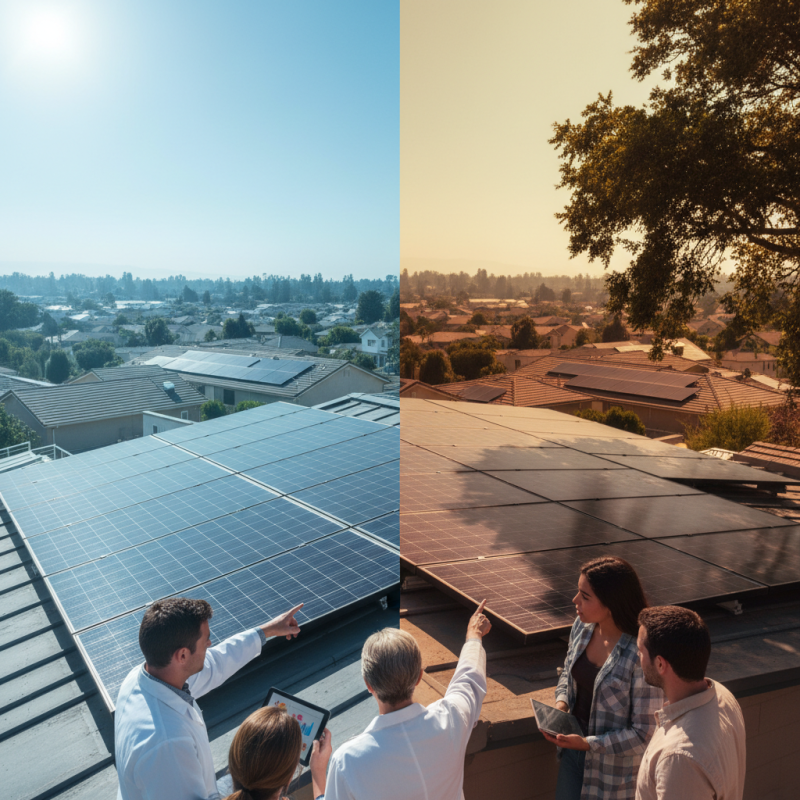
Factors Influencing Solar Panel Efficiency: An Overview
Solar panel efficiency is influenced by various factors. Understanding these factors can enhance energy production. The primary factors include temperature, shading, and orientation.
Research shows that operating temperature significantly impacts efficiency. Higher temperatures can reduce energy output by 0.5% for every degree Celsius increase. This data highlights the need for optimal placement and cooling strategies.
Shading plays a crucial role as well. Even partial shading can lead to a dramatic drop in performance. A study found that shaded panels might produce up to 40% less energy compared to fully illuminated ones. Therefore, avoiding trees and structures that cast shadows is crucial.
Tip: Regularly clean your solar panels to maximize efficiency. Dust and debris can hinder light absorption.
Another key factor is the angle of installation. Panels facing the sun at the optimal tilt can improve efficiency by 20%. Unfortunately, many installations do not account for seasonal sun paths.
Tip: Evaluate and adjust panel angles seasonally for lasting benefits.
Monitoring the system's performance regularly helps identify issues. Subpar performance might stem from various causes, underscoring the importance of constant vigilance. Keeping these factors in mind can greatly enhance the energy harvested from solar panels.
The Role of Sunlight Intensity in Solar Energy Production
Sunlight intensity plays a crucial role in solar energy production. When sunlight hits solar panels, it converts sunlight into electricity. Higher sunlight intensity directly increases the energy output of the panels. This means that solar panels produce more energy during sunny days compared to cloudy ones. Maximizing exposure to direct sunlight can significantly improve efficiency.
However, several factors influence sunlight intensity. The angle of the sun throughout the day affects how much sunlight reaches solar panels. Seasonal changes must also be considered. In winter, days are shorter and sun angles are lower, reducing efficiency. Additionally, environmental factors, like dust or shade from nearby trees, can block rays and further lower production.
Understanding these elements is essential for optimizing solar energy systems. While solar technology is advancing, the inherent variability in sunlight intensity presents challenges. Some may overlook the impact of local weather patterns. This reflection is vital for proper system placement and energy forecasts. Solar energy can be a powerful option, but awareness of these details is necessary for maximizing potential.
Top 10 Factors That Affect Solar Panel Efficiency
The chart below illustrates the impact of various factors on solar panel efficiency, particularly emphasizing sunlight intensity as a crucial variable in solar energy production.
Impact of Temperature on Solar Panel Performance
Temperature plays a crucial role in solar panel performance. As temperatures rise, the efficiency of solar panels generally decreases. Most solar panels operate optimally at cooler temperatures. When it’s too hot, panel efficiency can drop significantly. This phenomenon can surprise many who assume that more sunlight equals more power.
In hot climates, solar panels can become overheated. Some studies show a decrease in efficiency by about 0.5% for every degree Celsius above a certain threshold. This means that on a scorching day, panels may perform much lower than expected. Proper installation and ventilation can mitigate this. However, many installations overlook this important factor.
Another aspect involves temperature fluctuations. High daytime temperatures followed by cool nights can stress materials. This can lead to micro-cracks over time. Such issues may not be immediately visible but can impact long-term performance. Monitoring temperature effects remains vital for maximizing energy output and longevity.
Effects of Panel Orientation and Tilt on Energy Harvesting
The orientation and tilt of solar panels significantly influence energy harvesting. A report by the National Renewable Energy Laboratory (NREL) highlights that panels facing true south increase energy production by up to 30% in certain regions. This orientation maximizes exposure to sunlight throughout the day.
Tilt angles also play a crucial role. According to studies, an optimal tilt can enhance efficiency by capturing more sunlight, especially during peak hours. For example, a tilt angle between 30 to 45 degrees is often recommended in mid-latitude regions. However, local conditions, such as shading and weather patterns, complicate this ideal.
Maintaining an optimal position is challenging. Regular adjustments might be necessary to deal with seasonal changes. It’s intriguing that while fixed installations are convenient, tracking systems can boost output by 25% or more. This adaptability demonstrates the need for continual assessment of panel placement. The conclusions rest on data, but each installation may present unique challenges.
Top 10 Factors That Affect Solar Panel Efficiency Most
| Factor |
Description |
Impact on Efficiency (%) |
Optimal Condition |
| Tilt Angle |
The angle of the panels relative to the ground affects the amount of sunlight received. |
20 |
30° to 40° from horizontal |
| Orientation |
The direction the solar panels face impacts energy collection based on sun's path. |
15 |
South-facing panels in the Northern Hemisphere |
| Temperature |
High temperatures can decrease the efficiency of solar cells. |
10 |
Moderate temperatures, around 25°C (77°F) |
| Shade |
Obstructions that block sunlight can significantly reduce output. |
30 |
Full sun exposure |
| Dust and Dirt |
Accumulation on panels can block sunlight and reduce efficiency. |
15 |
Regular cleaning and maintenance |
| Panel Quality |
The materials and craftsmanship of the panels influence efficiency. |
25 |
High-efficiency solar panels |
| Inverter Efficiency |
The conversion of DC to AC can lead to losses depending on inverter quality. |
10 |
High-efficiency inverters |
| System Design |
The overall layout and wiring can affect electricity flow efficiency. |
5 |
Optimal design layout |
| Weather Conditions |
Overcast skies and precipitation can lower solar energy production. |
20 |
Clear, sunny days |
| Age of Panels |
Older panels may lose efficiency over time due to wear and degradation. |
10 |
Newer panels or panels under warranty |
Influence of Dust and Debris on Solar Panel Output
Dust and debris can significantly impact the efficiency of solar panels. When panels are dirty, sunlight is partially blocked. This can lead to reduced energy output over time. Studies show that even a thin layer of dust can reduce efficiency by up to 25%. This drop in performance can result in lost energy savings for homeowners.
Regular cleaning is essential but often overlooked. Many people assume that rain will wash away dirt. However, this is not always sufficient. Dust can accumulate in dry climates. It can also mix with moisture, creating a sticky residue that is harder to remove. Neglecting to clean panels can cause solar systems to underperform. Over time, dirty panels might lead to costly repairs.
Monitoring panel condition is crucial. Users should inspect their solar systems routinely. Visual checks can reveal dirt buildup. If necessary, professional cleaning is advisable. Understanding the impact of environmental factors on solar efficiency is key. By proactively managing cleanliness, users can optimize their energy output.
Conclusion
This article explores the various factors that affect solar panel efficiency, providing a comprehensive overview of what affects solar panel efficiency the most. Key elements include sunlight intensity, which plays a crucial role in determining energy production capacity. Additionally, temperature can significantly impact performance, as higher temperatures may reduce output efficiency.
Furthermore, the orientation and tilt of solar panels are vital for optimal energy harvesting; improper alignment can lead to subpar energy capture. Lastly, dust and debris accumulation on panels can impede performance by blocking sunlight. By understanding these factors, solar panel users can take informed steps to maximize their systems' efficiency and ensure better energy generation.

 Zenvyra