As solar adoption accelerates, understanding what are common problems with solar systems becomes essential for homeowners, installers, and facility managers. IRENA reported that global solar capacity reached about 1,419 GW by the end of 2023, after adding approximately 346 GW in one year. This rapid expansion brings valuable experience, but it also exposes recurring weaknesses in design, installation, monitoring, and maintenance.
The problems are rarely limited to the panels. Shading from a growing tree can reduce morning production. Dust may form a visible film on glass surfaces. Loose connectors, inverter failures, roof leaks, and battery degradation can create higher costs later. NREL research commonly reports photovoltaic degradation near 0.5% annually, although actual results vary by climate, equipment quality, and maintenance. A hot rooftop in Arizona does not age like a coastal system exposed to salt air.
Industry evidence also shows that reliability depends heavily on installation quality. The IEA Photovoltaic Power Systems Programme has repeatedly emphasized inspection, testing, and long-term operation as key reliability practices. Still, reports do not capture every real-world surprise. A system can meet its design specifications and underperform after a nearby building changes its shadow pattern. That uncomfortable gap deserves attention.
This guide examines electrical faults, performance loss, weather damage, software alerts, storage limitations, and poor workmanship. It also considers practical warning signs, repair decisions, and preventive inspections. The goal is not to promise a trouble-free system. That would be unrealistic. Instead, it offers evidence-based guidance for identifying problems early and making more dependable solar decisions.
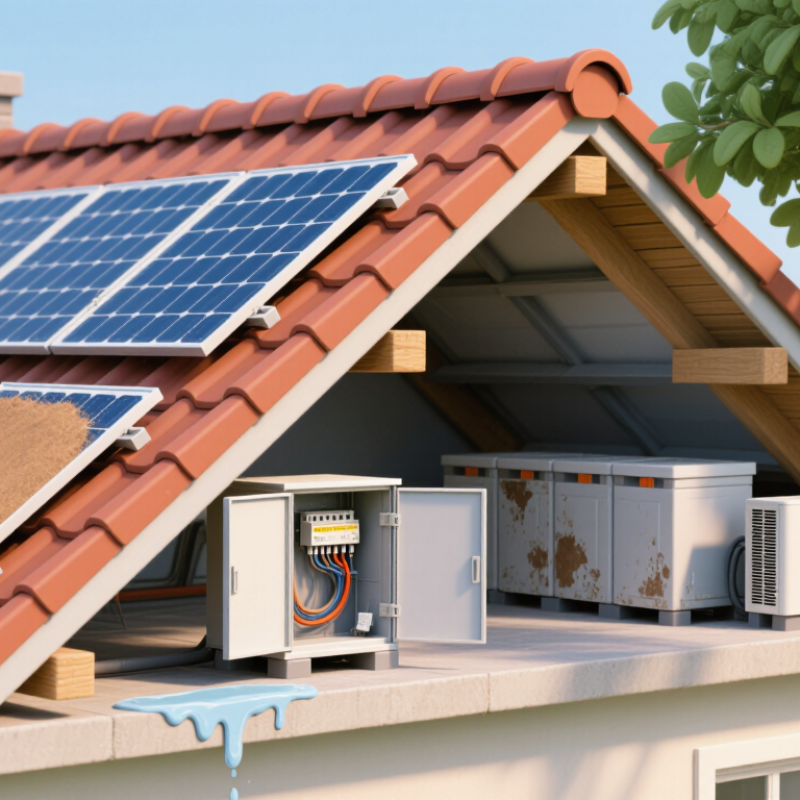
Solar systems turn sunlight into usable electricity through several connected stages. Photovoltaic panels produce direct current when light reaches their cells. An inverter then changes this power into alternating current for household appliances. Some systems also send extra electricity to batteries or the public grid.
Problems can develop at every connection point. Dust, bird droppings, and nearby tree shadows reduce panel output. High heat may lower efficiency, even under bright sunlight. Loose cables can create unstable readings or hot connection points. Moisture around damaged seals can cause corrosion over time.
Inverters may also stop operating because of overheating, internal faults, or poor ventilation. Battery systems add further concerns, including limited storage capacity and gradual performance loss. Not every fault is obvious. A system can appear normal while producing less electricity than expected.
Tips: Check the monitoring display regularly, especially after storms or construction nearby. Keep panels clear, but avoid climbing onto the roof without proper training. Look for warning lights, unusual sounds, cracked glass, or sudden output changes. A qualified technician should test electrical connections and protection devices. Do not open energized equipment. Records help. Compare monthly production with weather conditions, because one cloudy week proves very little. Even experienced owners can misread a brief data drop, so repeated patterns deserve more attention than a single unusual day.
Solar panels can lose output for simple, visible reasons. Dust, bird droppings, leaves, and partial shade may reduce production across an entire string. Even a narrow shadow from a chimney can matter during peak sunlight. Cracked glass, yellowing materials, and loose connectors create more serious risks. I have seen owners blame the panels when a damaged cable caused the real loss. Regular monitoring helps reveal these patterns. Compare daily output with weather conditions, not just one cloudy afternoon.
Inverters have their own performance problems. Excessive heat can trigger temporary shutdowns, especially in poorly ventilated spaces. Error codes may indicate grid voltage issues, insulation faults, or communication failures. Some systems also experience clipping when panel output exceeds inverter capacity. That loss may be expected, but repeated or unusual clipping deserves inspection. A weak connection can produce unstable readings. It should not be ignored.
Performance checks need patience. Clean panels only when safe, and avoid abrasive tools that damage the surface. Review monitoring data for gradual declines, sudden drops, and repeated restarts. A qualified technician should test electrical connections and protective devices. Never open energized equipment without proper training. I once assumed a low reading meant panel degradation; weather data later showed heavy afternoon shading. The lesson was imperfect but useful: diagnose evidence, not assumptions. Availability, installation quality, ventilation, and local grid conditions all influence real-world performance.
Solar systems can develop electrical problems even when the panels look clean and undamaged. Loose terminals, overheated cables, and poor grounding may cause power drops or repeated inverter shutdowns. A faint burning smell, buzzing sound, or discolored connector needs immediate professional attention. Do not open energized equipment yourself. A qualified electrician should test voltage, insulation resistance, and protective devices.
Battery faults are less visible. Charging may become unusually slow, while storage capacity falls during cloudy evenings. Heat is a serious warning sign. Batteries installed in a cramped room can struggle with ventilation and temperature control. I have seen systems with accurate displays but weak real-world performance. The readings looked normal. The usable energy was not. Age, incorrect settings, and unbalanced battery cells can all contribute. A service record helps, although records are often incomplete.
Tips: Keep vents clear, check warning messages, and record daily output. Never ignore swelling, leaking, or unusual heat. Ask for a documented battery test, not only a software screenshot.
Grid connection problems may appear as export limits, voltage trips, or delayed approvals. Local grid conditions can change during high-solar periods, especially when nearby homes produce excess electricity. An installer should confirm phase balance, protection settings, and approved connection limits. Independent inspection adds confidence. Still, it is not perfect; a fault can appear weeks later under unusual load. Regular monitoring and prompt reporting reduce the chance of a small electrical issue becoming an expensive repair.
What Are Common Problems With Solar Systems?
Weather can test every part of a solar system. Heavy rain may enter cracked connectors, while strong wind can loosen mounting hardware. Hail may leave tiny marks on panels that are difficult to notice from the ground. In coastal areas, salt deposits can speed up metal corrosion. I have seen systems produce less power after storms, even when the panels looked normal. A qualified technician should inspect wiring, fasteners, and protective equipment after severe weather.
Dirt creates another quiet problem. Dust, pollen, bird droppings, and leaves can block sunlight across the panel surface. Even a narrow dirty strip may reduce output from an entire section. Cleaning schedules should match local conditions, not a fixed calendar. Rain helps sometimes. It does not remove oily dust or dried bird waste reliably. Cleaning panels with unsuitable tools can also cause scratches, so safety and manufacturer instructions matter.
Shading is often overlooked. A chimney, tree branch, nearby building, or new fence can affect production during only part of the day. Seasonal shadows may appear months after installation. Physical damage is more serious. Cracked glass, bent frames, chewed cables, and water inside junction areas require prompt professional attention. I once underestimated a small cable cut; moisture later made the fault harder to locate. Regular monitoring helps, but it cannot replace an occasional hands-on inspection.
| Problem Category | Common Cause | Typical Observable Signs | Typical Measurable Effect | Recommended Inspection | Practical Response |
|---|---|---|---|---|---|
|
Weather High module temperature |
Solar modules produce heat during operation. Their rated output is generally measured at a cell temperature of 25 °C. | Lower midday output on hot, clear days, even when sunlight is strong. Performance may improve during cooler mornings. | Many crystalline-silicon modules lose approximately 0.3%–0.5% of power for each 1 °C increase in cell temperature above 25 °C. | Compare power output with module temperature, ambient temperature, irradiance, and historical production data. | Maintain adequate airflow beneath modules, avoid unnecessary obstruction, and use properly designed mounting clearances. |
|
Weather Snow, ice, and heavy rain |
Snow or ice temporarily blocks sunlight. Heavy rain can also expose drainage, sealing, and mounting weaknesses. | Little or no production while modules are covered; intermittent output during partial melting or uneven coverage. | Energy production can approach zero for the covered portion of the array until the obstruction clears. | Check snow depth, drainage paths, roof loads, module frames, and whether meltwater freezes around mounting points. | Follow local safety procedures. Remove snow only with approved methods and avoid walking on modules or using hard tools. |
|
Weather Hail, wind, and lightning |
Severe weather can crack glass, dislodge components, damage racking, or cause electrical surges. | Cracked glass, displaced modules, loose clamps, tripped protection devices, water ingress, or sudden production loss. | A damaged module or disconnected circuit can cause a substantial loss in the affected string; lightning may also damage inverters and protective equipment. | Perform a visual inspection from ground level first. Check fasteners, frames, glass, cables, grounding, and system alarms after severe weather. | Isolate unsafe equipment and arrange qualified electrical and structural repairs. Do not touch exposed or damaged wiring. |
|
Dirt Dust and airborne soiling |
Dust, pollen, soot, agricultural particles, and road pollution accumulate on the module surface. | A dull or uneven surface, visible deposits, reduced output during otherwise normal sunlight conditions. | Soiling losses are commonly around 2%–7%, but can be higher in dry, dusty, agricultural, or polluted locations. | Compare clean and dirty sections, review production trends, and inspect areas near roads, construction, farms, or unpaved surfaces. | Establish a cleaning schedule based on measured losses, local rainfall, water quality, and safe access conditions. |
|
Dirt Bird droppings and localized deposits |
Droppings, leaves, tree sap, and other concentrated deposits block light over small areas and may create hot spots. | Small dark patches, irregular production patterns, stubborn marks, or localized discoloration. | The affected area can lose most of its incoming light; the total system loss depends on the deposit size and the electrical layout. | Inspect module corners, lower edges, areas beneath nesting sites, and locations shaded by nearby structures or vegetation. | Remove deposits with non-abrasive methods and address nearby nesting or perching sources where legally and safely permitted. |
|
Shading Trees and vegetation |
Seasonal or growing vegetation blocks direct sunlight, often during morning or afternoon periods. | Repeated production dips at the same times each day or year, with longer shadows during winter. | Even partial shading can cause disproportionate losses in a series-connected string because current is limited by the shaded section. | Record the shaded area and time of day, check seasonal sun paths, and compare affected strings with unobstructed strings. | Trim or manage vegetation where permitted, while considering tree health, property boundaries, and future growth. |
|
Shading Buildings, equipment, and roof features |
Chimneys, parapets, vents, antennas, nearby buildings, or newly installed equipment obstruct sunlight. | Sharp recurring drops in output, striped shadows, or production losses concentrated in particular modules. | Losses vary with the shaded area, duration, module wiring, and use of module-level power electronics; they are highly site-specific. | Use a shade survey or solar-path analysis and inspect module-level monitoring where available. | Relocate the obstruction when practical, redesign the layout, or use appropriate module-level power controls after engineering review. |
|
Physical System Damage Cracked glass and damaged cells |
Hail, impact, thermal stress, manufacturing defects, improper handling, or mechanical loading can damage modules. | Visible cracks, moisture inside the laminate, discoloration, hot spots, or gradual unexplained performance decline. | Output may decline gradually or suddenly. Internal cell cracks can be difficult to see without electroluminescence or thermal inspection. | Look for glass cracks and delamination; use qualified insulation, thermal, or electroluminescence testing when needed. | De-energize affected equipment where necessary and replace damaged modules or connectors using compatible components. |
|
Physical System Damage Loose racking and cable damage |
Corrosion, vibration, improper torque, wind movement, rodent activity, ultraviolet exposure, or unsupported cables. | Loose clamps, sagging cables, worn insulation, corrosion, rattling components, ground-fault alarms, or intermittent output. | A disconnected cable or failed connector can interrupt production from one module, one string, or a larger section of the system. | Inspect mounting hardware, cable clips, connectors, conduit, grounding conductors, and signs of water or animal intrusion. | Repair or replace damaged parts with correctly rated equipment and verify torque, polarity, grounding, and insulation resistance. |
|
Physical System Damage Inverter and protection faults |
Overheating, moisture, grid disturbances, surge events, component aging, or internal electrical faults. | Error codes, repeated shutdowns, abnormal noise, reduced conversion efficiency, or no output despite sunlight. | A single inverter fault can stop production from all circuits connected to that inverter until the fault is cleared. | Review system logs and alarms, check ventilation and environmental conditions, and have electrical tests performed by a qualified technician. | Follow the manufacturer-neutral electrical isolation procedure and repair or replace the failed equipment after diagnosis. |
Note: The numerical values are indicative ranges based on commonly observed solar-system behavior. Actual losses depend on climate, system design, module technology, maintenance, shading geometry, and local installation conditions.
Solar systems can appear quiet and reliable, yet small faults may develop behind the panels. Dust, bird droppings, loose connectors, and shade can gradually reduce output. In field inspections, owners often notice problems after receiving a higher electricity bill. Inverters may show warning lights, unusual heat, or intermittent shutdowns. These signs deserve professional inspection, not guesswork. A clean panel does not prove the whole system is healthy.
Safety risks increase when cables crack, grounding connections loosen, or water reaches poorly sealed equipment. Never touch damaged wiring or climb onto a roof without proper training. Long-term reliability also depends on weather exposure, mounting strength, and battery ventilation. Components age at different speeds, making one inspection schedule imperfect. A yearly check is sensible, but harsh climates may require more frequent attention. Maintenance plans can fail when they record dates but never measure performance.
Tips:
Keep inverter vents clear and photograph warning messages.
Review monthly energy records for unusual drops.
Ask a qualified electrician to test protection devices, cable condition, and grounding.
Store service reports in one folder.
Replace damaged parts promptly, even when the system still produces power.
Small delays can become expensive repairs.
Burning smells, buzzing sounds, and discolored connectors may indicate overheating or loose connections. Treat them seriously. Contact a qualified electrician.
No. Energized equipment can remain dangerous, even during shutdown. A qualified electrician should test voltage, insulation resistance, and protective devices.
Age, incorrect settings, poor ventilation, and unbalanced cells can reduce charging performance. Heat is another warning sign. Do not guess.
Compare display readings with usable energy during cloudy evenings. Request a documented battery test, not only a software screenshot.
Swelling, leaking, and unusual heat require immediate attention. Keep ventilation openings clear. A cramped room can worsen temperature problems.
Yes. Wind may loosen mounting hardware, while rain can enter cracked connectors. Hail may leave tiny marks unseen from the ground.
Dust, pollen, leaves, and dried droppings can block sunlight across panel sections. Rain is not enough. Use suitable tools and safe cleaning methods.
Trees, chimneys, buildings, and new fences may create partial or seasonal shadows. A shadow lasting one hour still affects daily output.
A qualified technician should inspect wiring, fasteners, connectors, and protective equipment. Also check for cracked glass, bent frames, or water intrusion.
Export limits, voltage trips, and delayed approvals may indicate connection issues. Confirm phase balance, protection settings, and approved limits.
No. A fault can appear weeks later under unusual loads. Regular monitoring and prompt reporting still reduce repair risks.
Understanding what are common problems with solar systems begins with knowing how energy moves from the panels through inverters, batteries, wiring, and the grid. Performance may decline because of inverter faults, loose connections, damaged panels, battery aging, or grid interruptions. Some systems also produce less electricity when panels are covered by dirt, affected by shade, or exposed to snow, heat, wind, or heavy rain. Physical damage from storms, pests, or installation issues can create additional risks and reduce efficiency.
Regular maintenance is important for safe and reliable operation over time. Owners should inspect panels, cables, mounting structures, batteries, and protective equipment for signs of wear or overheating. Monitoring energy output can help identify problems early, while qualified professionals should handle electrical testing and repairs. With proper design, safe installation, routine cleaning, and timely servicing, many common solar system issues can be limited, extending system life and supporting consistent energy production.

Zenvyra