China’s solar industry is expanding rapidly, making reliable panel care increasingly important. IRENA’s Renewable Capacity Statistics 2024 recorded 345.5 gigawatts of new solar capacity worldwide in 2023. China contributed the largest share. More panels also mean more exposure to dust, humidity, bird droppings, salt air, and extreme weather.
This guide explains how to maintain solar panels for maximum efficiency in real Chinese operating conditions. The goal is not constant cleaning. It is controlled maintenance based on evidence, site conditions, and manufacturer instructions. IEA PVPS Task 13 identifies soiling as a significant and highly site-dependent source of photovoltaic performance loss. A thin dust layer may look harmless on a rooftop, yet it can reduce light reaching the cells. After dry weather, the lower edges often show dark runoff marks first.
Useful maintenance begins with safe observation. Check inverter data for unusual production drops. Inspect cables, mounting points, glass, and drainage after heavy rain or typhoons. Clean panels with soft water and non-abrasive tools when testing shows a meaningful loss. Avoid harsh chemicals, metal scrapers, and walking on the modules. NREL’s PV performance guidance also emphasizes accounting for soiling, shading, temperature, and system availability when evaluating output.
No maintenance plan is perfect. Cleaning too often wastes water and may create scratches. Cleaning too rarely allows stubborn deposits to harden. A better approach records rainfall, energy production, cleaning dates, and visible contamination. Small records create better decisions. This article combines industry research, practical inspection habits, and reasonable caution, while recognizing that local climate and equipment design can change the correct maintenance schedule.
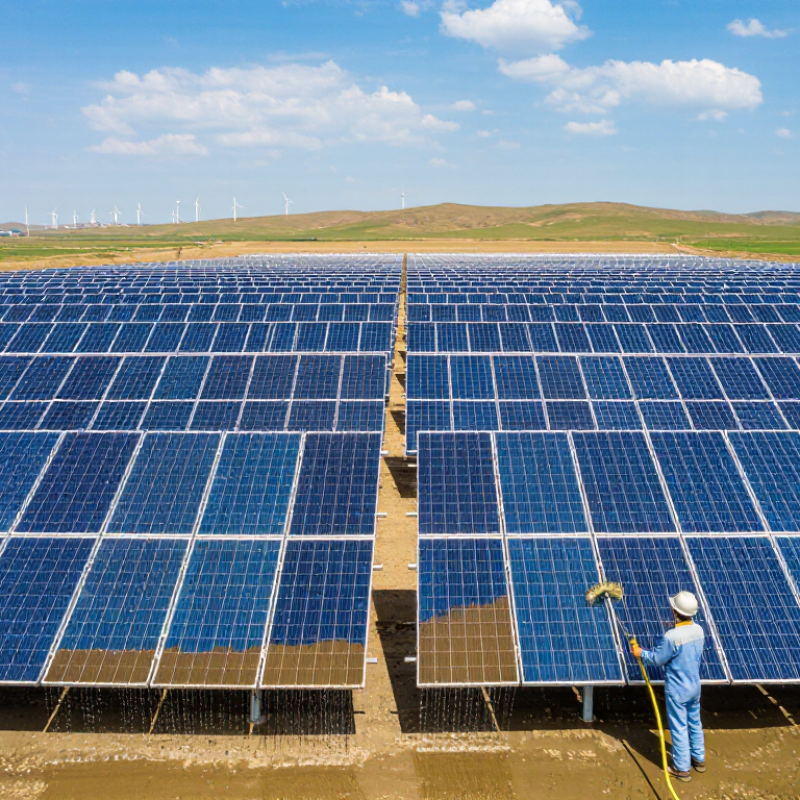
China’s solar panels operate across very different climates. Hot, humid summers raise cell temperature and increase moisture-related soiling. Dry northern winds carry fine dust onto glass and frames. Coastal provinces add salt aerosols, while mountain areas may receive snow. Cell temperature matters. NREL’s PVWatts guidance models crystalline-silicon temperature losses near 0.4% per °C above 25°C. At a 45°C cell temperature, power may fall about 8%. IEA PVPS Trends in Photovoltaic Applications 2024 reports China reached about 609 GW of cumulative PV capacity in 2023. Small losses now have national importance.
Tips: Inspect panels monthly during dusty or pollen-heavy periods. Check early morning. Look for droppings, blocked drains, frame corrosion, and uneven color. Use soft water and a non-abrasive brush. Never scrape dry grit across the glass. NREL’s Photovoltaic Degradation Rates review found a median degradation rate near 0.5% per year across many studies. That figure is not a cleaning target. Measure inverter output before and after maintenance. Keep photos and weather notes.
Cleaning frequency should follow local evidence, not a fixed calendar. IEA PVPS Task 13 reports that soiling losses vary with rainfall, tilt, particle type, and local activity. Rain helps, but it may not remove oily dust or bird residue. A low-tilt roof near construction may need monthly checks. A rainy rural site may need quarterly inspection. I would still test both assumptions. Water use, roof access, and electrical safety can outweigh a small energy gain. That trade-off deserves a site-specific record.
Solar panels lose output quietly. Dust forms a dull film, while leaves create sharp shadows across cells. Inspect the array monthly, especially after dry, windy weather. IEA PVPS Task 13 reports that soiling losses can range from almost zero to over 10% annually, depending on climate and cleaning practices. A clean-looking panel may still have a measurable coating of dust.
Walk around the array in early morning. Check for bird droppings, cracked glass, loose frames, cable damage, and water marks. Photograph unusual areas for comparison. Shade deserves close attention. New tree growth, rooftop equipment, and nearby construction can reduce performance during only a few hours. Look for repeating drops in monitoring data, not just one bad day. Clouds can mislead you.
Compare monthly energy with sunlight data when possible. The National Renewable Energy Laboratory reports a median photovoltaic degradation rate of about 0.5% per year, but sudden losses may indicate damage or connection faults. Do not scrub hot panels or use abrasive tools. Cool water and a soft, clean brush are safer choices, although local water quality matters. I sometimes overestimate the benefit of cleaning; measured output should guide the decision. Some inspections still miss faults hidden beneath frames, so qualified electrical testing remains important.
Solar panel efficiency depends on more than sunlight. Clean surfaces help, but careless washing can cause cracks, electric risks, or roof injuries. Always check the installation manual before starting. It may specify approved cleaning methods and shutdown procedures.
Clean panels early in the morning or near sunset. The glass stays cooler then. Never pour cold water onto hot panels. Thermal shock may damage the surface. Use clean water, a soft brush, and a squeegee with a rubber edge. Avoid abrasive sponges, metal tools, and strong detergents. They can leave scratches or chemical residue. Do not walk on the panels. Roof work is risky, even on a small system. A ground-based extension tool is safer. High or steep roofs need a qualified technician.
The right schedule depends on local conditions. In a dusty area, inspect the panels every month. Cleaning may be needed every two or three months. Regions with frequent rain may need less frequent washing. Rain is helpful, but it does not remove bird droppings or oily dust completely. Check output readings before and after cleaning. A sudden drop can reveal dirt, shading, wiring faults, or inverter problems. Pollen season deserves extra attention. So do nearby construction projects. Weekly cleaning sounds efficient, but it may waste water and increase surface wear. A practical schedule should follow evidence, not habit. Reconsider it after storms, long dry periods, or visible buildup.
Solar panel efficiency depends on the whole system, not only the modules. In China’s humid coastal areas, inspect mounting rails for rust, loose bolts, and trapped water every six months. In windy regions, check clamps after severe weather. The National Renewable Energy Laboratory reports a typical photovoltaic degradation rate near 0.5% per year, but poor maintenance can accelerate losses.
Tips: Keep cable connectors dry, supported, and away from sharp metal edges. Look for cracked insulation, discoloration, or cables touching the roof. Never open live equipment without qualified training. The International Energy Agency Photovoltaic Power Systems Programme reports that soiling can reduce annual energy production by about 3–4% on average, with higher losses in dusty climates. Gentle cleaning may help, but abrasive tools can damage glass surfaces.
Inverters need clear airflow. Remove leaves, dust, and insects around ventilation openings, leaving the manufacturer’s required clearance. Record warning codes and unusual fan noise before calling a certified technician. Mounting systems also deserve attention after storms; a slightly shifted rail can create uneven loading. I have seen inspections focus on panels while ignoring cable sag beneath them. That is an easy mistake. Review the maintenance log honestly, because missed checks often matter more than perfect equipment.
China Best Solar Panel Care Tips for Maximum Efficiency
Monitoring output turns routine maintenance into measurable care. I check the system’s daily production through its monitoring portal and compare it with recent clear-sky readings. A sudden drop deserves attention, especially when sunlight remains strong. I also inspect the inverter display for warning codes and unusual shutdowns. Keep a simple log with the date, weather, energy output, and visible changes. This record helps separate seasonal variation from a genuine fault. I once blamed dusty panels for low production, but nearby tree growth caused the larger loss. Assumptions can be expensive.
Seasonal care requires small adjustments. In spring, remove leaves, pollen, and nesting material around the array without leaning on the panels. Summer checks should focus on new shade from fast-growing branches and reduced output during extreme heat. Panels may produce less during very hot afternoons, even under bright sunlight. In autumn, clear fallen leaves before they form wet, heavy layers. Winter inspection should look for snow buildup, cracked surfaces, loose cables, and ice near mounting points. Never scrape frozen material with metal tools or climb onto the array. Use safe ground-level methods, or contact a qualified technician. Cleaning is not always necessary. Rain may remove light dust, while stubborn grime needs clean water and a soft, non-abrasive tool. Follow the system’s safety instructions, and stop work when cables or electrical components appear damaged.
| Season / Timing | Monitoring Focus | Practical Metric or Condition | Recommended Care Action | Suggested Frequency |
|---|---|---|---|---|
| All year | Daily energy production | Record daily kWh and compare it with similar clear-sky days, weather conditions, and the system’s historical baseline. | Investigate a persistent output decline of about 10% or more after allowing for clouds, shading, temperature, and seasonal daylight changes. | Review daily; analyze trends monthly |
| All year | System status and alerts | Check for inverter faults, offline communication, abnormal shutdowns, or repeated warning messages. | Record the time and alert code, confirm whether the fault is temporary, and arrange qualified electrical service for recurring or safety-related faults. | Daily or whenever an alert appears |
| Spring | Pollen, dust, and new shading | Look for visible pollen films, bird deposits, construction dust, and tree growth that can shade part of the array. | Remove nearby shading where legally and safely possible. Clean panels only when deposits are visible or output indicates meaningful soiling loss. | Inspect monthly and after local dust events |
| Summer | Heat and ventilation | Solar modules generally produce less power at higher cell temperatures, even under strong sunlight. Monitor for unusual midday clipping or thermal alarms. | Keep inverter vents and accessible equipment clear. Do not cover equipment or spray hot panels with cold water, which can cause thermal shock. | Inspect before and during the hot season |
| Summer | Rain and heavy storms | After severe weather, check for cracked glass, displaced modules, loose conduit, water entry, or new shading. | Keep clear of damaged electrical equipment and contact a qualified professional. Do not walk on modules or attempt live electrical repairs. | After every severe storm |
| Autumn | Leaves and organic debris | Check whether leaves, branches, or bird debris cover any part of a module or obstruct drainage around the array. | Remove loose debris from ground-accessible areas using safe, non-abrasive methods. Use a professional service for roof access. | Every 2–4 weeks during leaf fall |
| Winter | Snow, ice, and reduced daylight | Expect lower seasonal production because of shorter days, lower sun angles, cloud cover, and possible snow coverage. | Allow light snow to slide off naturally when safe. Never climb onto a snowy roof or scrape modules with hard tools. | Check after snow or freezing rain |
| Any season | Surface cleanliness | Compare output on two similarly sunny days before and after cleaning, while considering irradiance, temperature, and shading. | Use clean water and a soft, non-abrasive brush or a qualified cleaning provider. Avoid abrasive pads, harsh chemicals, and pressure washing. | When visible soiling affects output; commonly 1–2 times per year |
| Quarterly | Cables, mounting, and corrosion | Look from ground level for loose mounting components, exposed conductors, damaged insulation, rust, or cable sagging. | Do not touch suspected live components. Photograph the issue and request inspection by a qualified solar or electrical professional. | Every 3 months and after severe weather |
| Annually | Performance review | Compare annual kWh, seasonal patterns, downtime, alerts, and maintenance records with previous years after accounting for weather changes. | Arrange a professional inspection if the decline is persistent, unexplained, or accompanied by faults, hot spots, visible damage, or repeated shutdowns. | Once per year |
Inspect the array monthly, especially after dry or windy weather. Check for dust, leaves, bird droppings, cracks, loose frames, and water marks. Photograph unusual areas for later comparison.
Dust creates a dull film over the glass and blocks some sunlight. Annual losses may range from almost zero to more than ten percent. A clean-looking surface can still carry measurable dust.
Clean them early in the morning or near sunset. The glass is cooler then. Never pour cold water onto hot panels. Thermal shock can damage the surface.
Use clean water, a soft brush, and a rubber-edged squeegee. Avoid metal tools, abrasive sponges, and strong detergents. They may scratch glass or leave chemical residue.
Dusty areas may require cleaning every two or three months. Rainy regions may need less frequent washing. Rain is helpful, but it may not remove bird droppings or oily dust completely.
Yes. New tree growth, rooftop equipment, and construction can cast narrow shadows. Even a few shaded hours may reduce daily output. Look for repeated drops in monitoring data.
Compare monthly energy with local sunlight data when possible. Check readings before and after cleaning. A sudden drop may also indicate shading, damaged wiring, or an inverter problem.
Not necessarily. Measure output before deciding, because I sometimes overestimate cleaning benefits. Weekly washing may waste water and increase surface wear. Reconsider the schedule after storms or visible buildup.
Do not walk on the panels. Roof work can cause serious falls, even on small systems. Ground-based extension tools are safer. High or steep roofs need a qualified technician.
Some faults remain hidden beneath frames or inside electrical connections. Persistent losses need qualified electrical testing. Clouds can mislead you, so one poor day proves little.
Maximizing solar panel efficiency in China requires regular care adapted to local climate conditions, including dust, humidity, heat, rain, and seasonal weather changes. Start with routine inspections to identify surface dust, nearby shade, physical damage, loose components, or unexpected performance loss. Cleaning should be scheduled according to local pollution and rainfall patterns, using clean water, soft tools, and safe procedures that avoid scratching or overheating the panels. Understanding how to maintain solar panels for maximum efficiency also means checking the mounting structure, wiring, inverter area, and ventilation paths for corrosion, wear, moisture, or blocked airflow.
Ongoing monitoring helps detect gradual output changes before they become serious problems. Compare energy production across similar weather conditions, review system alerts, and investigate unusual drops in performance. Seasonal maintenance may include removing accumulated dust after dry periods, checking drainage before heavy rain, and ensuring all equipment remains secure during strong winds. With consistent inspections, careful cleaning, reliable component checks, and timely performance tracking, solar panel systems can operate more safely and efficiently throughout the year.

Zenvyra