A power cut can silence a home in seconds: lights go dark, the refrigerator stops, and a router loses its signal. Solar panels alone usually cannot keep appliances running during a grid outage. Many grid-connected inverters shut down for safety when utility power fails. Not by default. The practical question is: can solar systems work during power outages? Yes, when the system includes suitable battery storage, backup-capable equipment, and a properly configured method of disconnecting from the grid.
This guide introduces ten solar system options available in China and explains what matters beyond a brand name. It considers battery capacity, inverter features, supported backup loads, expandability, monitoring, and warranty information. A system that can power a few lights and a router may not run an air conditioner or water heater for long. The difference is easy to miss in a product listing. Check the exact model and configuration, not just the advertised system name.
Actual performance depends on household usage, battery charge, installation quality, and local sunlight. A qualified installer should confirm which circuits receive backup power and explain what happens during a prolonged outage. Product specifications and availability can also change, so this comparison is a starting point, not a substitute for current documentation. Rankings are never perfect. Still, clear criteria can help homeowners compare options and ask better questions before choosing a system.
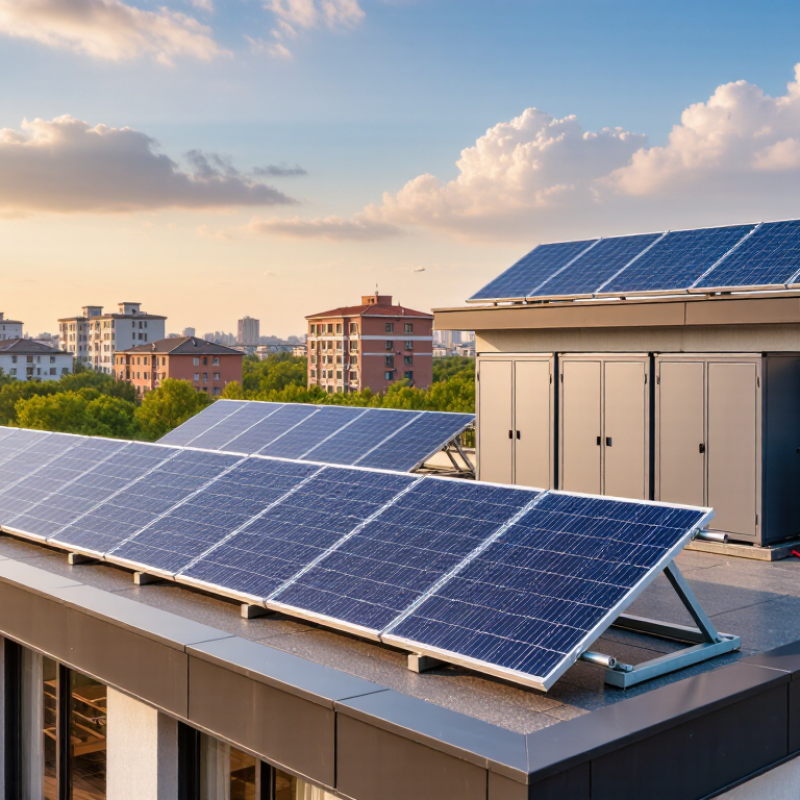
A solar system needs more than panels to supply power during an outage. Not by themselves. A standard grid-connected inverter usually shuts down when the utility supply fails, even in bright sunshine. This protects workers repairing power lines. To keep selected circuits running, the system needs an inverter designed for backup operation and equipment that safely separates it from the grid. A battery can store energy for evening use, while solar panels may recharge it during daylight. Without storage, power can still be available in some backup configurations, but only when sunlight and system design allow.
The backup supply should be sized for real household needs, not every appliance at once. A refrigerator, a few lights, and a router draw less power than an oven or electric heater. Check both the inverter’s output and the battery’s usable capacity; one affects which devices can run, the other affects how long they can run. Clouds happen. So do longer outages. A common planning mistake is assuming yesterday’s energy use predicts tomorrow’s needs. Leave a reserve, and ask an installer to explain which circuits stay powered, how the system switches over, and what happens when the battery runs low. A fridge cycling on at night can change the estimate.
An outage-ready solar system needs more than panels and a battery. A standard grid-tied inverter usually shuts down when the grid fails, protecting utility workers from unexpected power. Backup operation requires an inverter designed to isolate the home safely and manage power independently. A battery stores energy for evening use, while a critical-loads panel can keep essentials such as the refrigerator, lights, and internet running. Keep expectations realistic: an electric oven or large air conditioner may drain a modest battery quickly.
Tips: List essential appliances and check their starting watts, not just running watts. Leave room for cloudy days. A simple load estimate can still miss short power surges.
System sizing depends on daily consumption, battery capacity, solar output, and inverter limits. Ask a qualified installer to confirm compatibility, transfer behavior, and safe installation. Test the backup setup periodically, including its controls and battery status. One detail is easy to overlook: panels may produce little during heavy cloud or snow, so stored energy must cover the gap. A tidy equipment diagram helps, but it is not a substitute for testing the system under realistic loads.
When the grid fails, a standard grid-tied solar system usually shuts down. This safety feature prevents electricity from flowing onto power lines while crews work. A backup-ready system works differently. It disconnects from the grid and creates a separate, local power supply for selected home circuits. The switch may happen quickly, but not every setup provides seamless backup.
During daylight, solar panels can feed the home and recharge a battery through a compatible inverter. After sunset, the battery can keep essential loads running, such as lights, a refrigerator, or a router. Cloud cover reduces solar output, and heavy appliances can drain stored energy fast. Backup power has limits. That detail is easy to overlook when planning a system.
Tips: Check which circuits the backup system supports, and ask how long the battery may last under realistic use. Keep a simple outage plan. Turn off nonessential loads, and avoid assuming every room will have power. Actual performance depends on system design, battery capacity, sunlight, and household demand.
“Top 10” is best understood as ten system layouts, not a brand ranking. The IEA PVPS Snapshot of Global PV Markets 2024 reports that China added about 216.9 GW of solar capacity in 2023. That growth does not guarantee backup power. A typical grid-tied array may shut down during an outage unless designed to operate independently. Useful layouts include hybrid-inverter rooftop systems, DC-coupled batteries, and AC-coupled retrofits. Other options are modular lithium iron phosphate storage, ground-mounted arrays, three-phase backup, and critical-load panels. Off-grid cabins, community microgrids, and portable solar-battery kits complete the ten.
For a home, match battery capacity to essential loads, not the whole electricity bill. A refrigerator, router, and several lights need less power than an electric cooker or air conditioner. Check inverter surge capacity too; motors can draw extra power when starting. Ask an installer to explain islanding, transfer equipment, and expected runtime in writing. There is no perfect layout. Runtime estimates can be too optimistic when cloudy weather persists.
Tips: List essential appliances and their wattage before comparing systems. Keep the battery in a dry, ventilated location, and test backup operation periodically. Small details matter.
How to Compare and Choose an Outage-Ready Solar System
Compare systems by the loads they can actually run, not by panel count alone. A grid-tied array may stop supplying power during an outage unless it has suitable battery storage and islanding controls, as the U.S. Department of Energy explains. Check the battery’s usable capacity, the inverter’s continuous output, and its ability to handle brief startup surges from refrigerators or well pumps. A battery rated for several kilowatt-hours can still disappoint if its inverter cannot start a large motor. Details matter.
Estimate essential use over the hours you need backup. The U.S. Energy Information Administration reported average residential electricity use of 10,791 kWh in 2022, or about 29.6 kWh per day; an individual home’s needs can differ sharply. Ask installers to show the assumed loads and runtime, including cloudy-day charging and reserve settings. Test the plan against a real evening: refrigerator, a few lights, phone charging, and perhaps medical equipment. Real homes are messy. Load estimates can miss startup surges or seasonal changes, so leave room for uncertainty and confirm how the system safely disconnects from the grid.
It shuts down to prevent electricity from flowing onto power lines while crews work. That matters.
It disconnects from the grid and supplies selected home circuits locally. Switching may be quick, but seamless backup is not guaranteed.
Yes, if the panels, battery, and inverter are compatible. Cloud cover can reduce charging.
It may power essential loads, such as lights, a refrigerator, and a router. Heavy appliances can drain it quickly.
Check usable battery capacity, inverter output, and supported circuits. Panel count alone tells you little.
Some appliances need a brief power surge to start. A refrigerator or well pump may exceed the inverter’s limit.
List the devices you need, then estimate their use over the hours required. Include cloudy-day charging and reserve settings. The estimate may still be off.
Not necessarily. Turn off nonessential loads and test a realistic evening plan. Leave room for surprises.
Can solar systems work during power outages? Yes, when they are designed with backup capability. A standard grid-connected solar system may shut down during a blackout for safety, while an outage-ready setup can keep selected appliances running by combining solar panels, a compatible inverter, battery storage, and appropriate electrical controls. The battery stores excess daytime energy and supplies power when the grid is unavailable or sunlight is limited.
This overview explains how backup systems detect grid failures, isolate a home or building from the grid, and manage available energy. It also introduces ten types of solar-and-battery solutions available in China, ranging from compact systems for essential devices to larger setups for broader household needs. When comparing options, consider usable battery capacity, inverter output, solar generation, backup duration, supported loads, expandability, installation requirements, and overall cost. The right choice depends on which appliances must stay on and how long backup power is needed.

Zenvyra