The question "can solar systems work without batteries" often intrigues homeowners. Many believe that batteries are essential for solar energy systems. However, solar systems can operate independently. It is crucial to understand how this works.
Solar panels generate electricity during the day. This energy can be used immediately. Homeowners can power appliances without storing energy. This method reduces costs. Yet, relying solely on solar during low sunlight can be challenging. Some days may have limited sun exposure.
Some advancements allow for direct use of solar energy. Innovations can support daytime electricity needs. Still, without storage, users risk outages at night. It’s essential to balance costs and reliability. Reflect on your energy needs. Evaluating your lifestyle is key in making this choice.
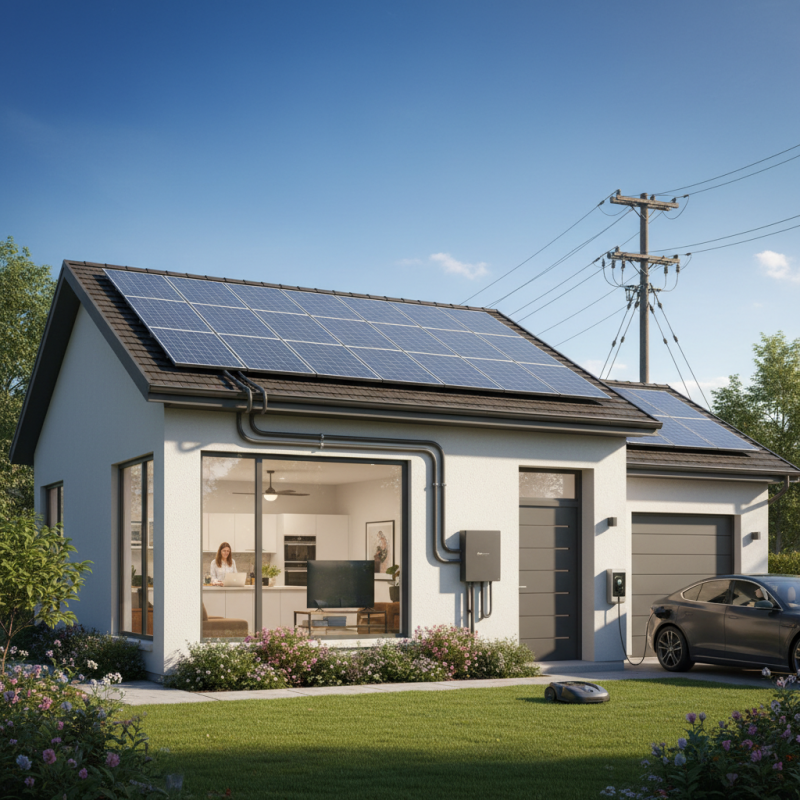
Solar energy systems consist of several key components: solar panels, inverters, and sometimes batteries. Solar panels capture sunlight, converting it into electricity. Inverters convert this electricity from direct current (DC) to alternating current (AC) for home use. Understanding how these components work together is vital for optimal performance.
Many homeowners wonder if solar systems can function without batteries. The answer is yes, but with limitations. Without batteries, excess energy generated during the day is sent back to the grid. This means homeowners rely on the grid during the night. If the grid goes down, so does the energy supply.
Tip: Evaluate your energy consumption patterns. Identify peak usage times. This will help you decide if battery storage is necessary for your needs.
Another aspect to consider is the efficiency of the solar panels. Not all panels perform equally, especially in different weather conditions. Choosing quality panels can lead to better energy output.
Tip: Regularly clean your solar panels. Dirt and debris can decrease their efficiency significantly. Even small changes in maintenance can yield noticeable results.
The role of batteries in solar energy storage is vital. They enable users to harness solar energy beyond daylight hours. According to the International Renewable Energy Agency, battery storage capacity has been growing at an annual rate of 30%. This trend shows how essential batteries are for maximizing solar energy use.
Solar systems without batteries often underperform during cloudy days or at night. Without adequate storage, excess energy produced during the day goes unused. The National Renewable Energy Laboratory reports that using battery storage can increase self-consumption of solar energy by up to 80%. This improvement demonstrates how essential batteries are for reliable energy supply.
However, not everyone sees the necessity of batteries. Some users opt for grid-tied systems. These systems rely on the grid for energy, making batteries seem redundant. Still, this choice may lead to higher long-term costs. The fluctuating energy prices can affect savings for users who choose not to store energy. Therefore, evaluating the overall needs and circumstances is crucial for determining the right solar setup.
This chart shows the comparison of energy storage capabilities of solar systems with and without batteries. The data reflects the average daily energy output in kWh for solar systems operating without batteries versus those using batteries for storage.
Operating solar systems without batteries can be both practical and efficient. One major advantage is that it simplifies the system. Without batteries, there are fewer components to maintain and replace. This reduction in complexity can lead to lower initial costs and minimal long-term maintenance issues. It makes the solar setup easier for homeowners.
Another benefit is the immediate use of generated energy. Solar panels produce power during sunny hours, which can directly power household appliances. This real-time usage reduces waste, translating to lower electricity bills. It caters well to energy consumption patterns, especially in homes with daytime activity.
However, there are challenges to consider. Reliability varies with weather and sunlight exposure. A cloudy day could leave some homeowners without sufficient energy. Daily energy needs fluctuate, and solar production might not align with peak demand. Individuals may find themselves reassessing their energy strategies. Understanding these factors is crucial for maximizing solar benefits.
| Advantages | Description |
|---|---|
| Cost-Effectiveness | Eliminating batteries reduces initial setup and maintenance costs. |
| Lower Maintenance | Without batteries, there's less equipment to maintain or replace. |
| Direct Energy Use | Energy produced can be used immediately, reducing losses associated with storage. |
| Simplicity | Fewer components make systems simpler to install and operate. |
| Environmental Impact | Batteries have environmental costs; eliminating them often has a lower impact. |
| Enhanced Lifespan | Solar panels can last longer without battery degradation issues. |
Running solar systems without batteries can be challenging. Solar energy is often intermittent; it varies throughout the day and is less reliable during cloudy weather. According to a report from the National Renewable Energy Laboratory (NREL), around 30% of solar power output is typically lost without energy storage. This inconsistency can lead to significant gaps between energy production and consumption.
Reliance on the grid is necessary in these instances. However, dependency on grid power defeats the purpose of having a solar system for many users. The U.S. Energy Information Administration reported that residential electricity prices increased approximately 3% annually from 2010 to 2020. Without energy storage, homeowners may face higher costs and less control over their energy use.
Loss of efficiency is a crucial concern. Solar systems with storage can store excess power for later use, improving overall energy management. In contrast, when operating without batteries, users may need to adjust their habits. They must use energy when it is produced rather than rely on a consistent supply. This might feel restrictive and lead to dissatisfaction with solar as a reliable source of energy.
When considering solar energy management without batteries, several alternatives emerge. One effective option is grid-tied solar systems. According to the U.S. Department of Energy, about 90% of solar installations are grid-tied. This setup allows for real-time energy exchange with local power grids. When your solar panels generate excess power, it is sent back to the grid, often earning credits. This practical solution reduces reliance on costly battery storage.
Another approach is direct solar usage. This means harnessing solar energy immediately as it’s produced. For instance, solar water heaters utilize sunlight to warm water directly. This method significantly cuts energy costs and minimizes the need for energy storage. Additionally, solar thermal energy systems can provide heating for residential and commercial spaces efficiently. A report from the International Renewable Energy Agency highlights that direct solar applications could reduce energy consumption by up to 50%.
Tips for optimizing solar energy management:
: It simplifies the system and reduces maintenance. Fewer components lead to lower initial costs.
Users can directly utilize generated energy during sunny hours, reducing waste and lowering electricity bills.
Energy production can be inconsistent. Cloudy weather may leave users without enough power.
Daily needs can fluctuate. Solar production may not always align with peak consumption times.
Around 30% of output is typically lost. This inconsistency can create gaps in energy supply.
They must adjust their energy habits. This reliance on real-time usage can feel restrictive.
Users may face higher costs and lose control over their energy usage patterns.
It helps homeowners maximize benefits. They need to adapt to intermittent energy availability.
Without batteries, users can't store excess power. This can lead to inefficiencies in energy management.
Assessing energy production and daily consumption is crucial. This reflection can guide better energy strategies.
In exploring the question of "can solar systems work without batteries," it's essential to understand the various components of solar energy systems. While batteries play a crucial role in storing energy for later use, operating solar systems without them can offer several advantages. For instance, it reduces initial installation costs and simplifies the system design. However, this setup also presents challenges, such as dependency on real-time solar availability and less reliability during power outages.
To manage energy efficiently without batteries, alternative solutions, such as grid-tied systems or direct use during peak sunlight hours, can be employed. These approaches allow users to harness solar energy while minimizing reliance on storage, effectively addressing some of the limitations associated with battery-less solar systems. Ultimately, while it is viable to operate solar energy systems without batteries, careful consideration of the specific needs and circumstances is vital for optimal performance.

Zenvyra